

Picture window installation can transform a Canadian home by opening up panoramic views, bringing in more natural light, and creating a bright, modern feel. This guide explains how picture windows work, where they fit best, what to expect during window installation, and how to choose the right design for Canada’s climate.
Why Picture Windows Are a Popular Choice in Canadian Homes
Picture windows are designed to frame the outdoors like artwork. Unlike operable units, these fixed windows do not open, which allows for larger glass areas and clean, uninterrupted sightlines. For homeowners across Canada, that means better panoramic views of backyards, lakes, forests, mountains, or city skylines without bulky hardware getting in the way.
One of the biggest reasons people choose picture windows is the amount of natural light they bring indoors. In long Canadian winters, extra daylight can make a room feel warmer, brighter, and more inviting. Large windows can also help a space look bigger, especially in living rooms, dining areas, stairwells, and open-concept homes.
Picture windows also work well with many home styles. They can suit classic houses, modern builds, cottages, and custom renovations. Because they are fixed windows, they are often more energy efficient than operable models when properly installed and sealed. With fewer moving parts, there is less chance of air leakage around the sash.
If you are planning a renovation, adding professional window installation is one of the best ways to make sure large windows perform well in Canadian weather. Proper installation matters just as much as the glass and frame itself.
What Makes Picture Windows Different?
Picture windows are a type of view windows made to maximize scenery and daylight. Their main feature is a fixed glass panel that stays closed. This makes them ideal for spaces where airflow is not the top priority but visibility and brightness are.
Compared with sliding or casement units, picture windows can often be built wider and taller. That is why they are commonly chosen for dramatic wall openings and architectural windows in newer homes. They can also be combined with operating side windows if you want both ventilation and a broad outdoor view.
Key benefits for Canadian homeowners
- Clear panoramic views with minimal visual obstruction
- More natural light throughout the day
- Strong energy performance when sealed correctly
- Flexible sizing for custom windows and unique layouts
- Low maintenance because there are no opening mechanisms
For homes in colder provinces, energy-efficient glazing is especially important. Triple-pane glass, Low-E coatings, and insulated frames can help reduce heat loss while still letting in sunlight. This is why many homeowners looking into doors and windows services ask about performance ratings as well as appearance.
Best Places to Install Large Picture Windows for Panoramic Views
The right location can make all the difference. Since picture windows are meant to highlight Canadian scenery, placement should be based on your best outdoor view, sun exposure, and room function. A well-placed window can turn an ordinary wall into the focal point of the home.
Living rooms and family spaces
Living rooms are one of the most common spots for large windows. These areas are often where families gather, entertain guests, or relax at the end of the day. A wide picture window can showcase a backyard, garden, ravine, or waterfront while filling the room with natural light.
In open-concept layouts, picture windows can also connect indoor and outdoor spaces visually. This creates a more spacious feeling and can increase the appeal of the home for future buyers. If your current unit has drafts, condensation, or frame damage, it may be time to consider expert window repair or a full window replacement.
Dining rooms, kitchens, and stairwells
Dining rooms benefit from bright, comfortable light, especially during shorter winter days. In kitchens, a picture window can make meal prep more enjoyable by opening up the view and reducing the need for artificial lighting during the day. Stairwells and upper landings are also great candidates because they often have tall wall space that suits architectural windows.
For these areas, think about solar heat gain as well as scenery. South-facing glass may bring in welcome warmth in winter, but it can also increase summer heat if the glazing is not chosen carefully. A qualified installer can help you balance light, comfort, and efficiency based on your province and home orientation.
Rooms with the best results
- Living rooms with backyard or front landscape views
- Dining rooms overlooking gardens or decks
- Stairwells with tall vertical wall space
- Home offices where daylight improves comfort
- Cottages and lake homes with scenic surroundings
Matching picture windows with doors and other features
Large glass areas often look best when they are planned as part of the full exterior design. For example, a picture window can be paired with patio doors, entry systems, or smaller venting windows to create a balanced look. If you are updating multiple openings at once, it helps to work with one team that understands both style and building performance.
Homeowners doing a broader renovation may also want to coordinate with door installation services so the overall appearance of the home feels consistent. Matching frame colour, grille patterns, and trim details can make a big difference.
What to Know Before Window Installation in Canada
Installing picture windows is not just about choosing a larger piece of glass. The opening must be properly measured, supported, insulated, and sealed to handle Canadian weather conditions. This is especially important in regions with strong winds, heavy snow, and wide temperature swings.
Structural and code considerations
Because picture windows can be large and heavy, the surrounding wall may need structural review before installation. In some cases, headers or framing adjustments are required to support the opening safely. Local building code requirements can vary by municipality and province, so it is important to check what applies to your project.
Canadian homeowners should also ask about energy standards, egress rules where relevant, and the CSA or ENERGY STAR ratings of the product. While picture windows are often used in common areas rather than bedrooms, code compliance still matters for overall safety and efficiency.
Choosing the right frame and glass package
The best frame material depends on your budget, maintenance preferences, and climate. Vinyl is popular for its affordability and insulation value. Fibreglass offers strength and durability, especially in changing temperatures. Wood interiors can add warmth and style, though they may require more upkeep.
For the glass, many Canadian homes benefit from:
- Double- or triple-pane sealed units
- Low-E coatings for improved efficiency
- Argon gas fills for better insulation
- Laminated or tempered glass where needed
If your current window shows fogging between panes, water intrusion, or frame movement, it may be beyond a simple fix. In those cases, window replacement may be more cost-effective over time than repeated repairs.
Questions to ask before hiring an installer
- Do you have experience with custom windows and large openings?
- What energy-efficient options do you recommend for my region?
- Will the installation meet local Canadian code requirements?
- How will the opening be insulated and sealed against drafts?
- What warranty is available on labour and materials?
Whether you are upgrading one feature wall or planning a full exterior improvement, a carefully selected picture window can add comfort, beauty, and long-term value to your home. Fortify Services helps Canadian homeowners choose practical, attractive solutions that suit both the property and the climate.
The Installation Process for Picture Windows in Canadian Homes
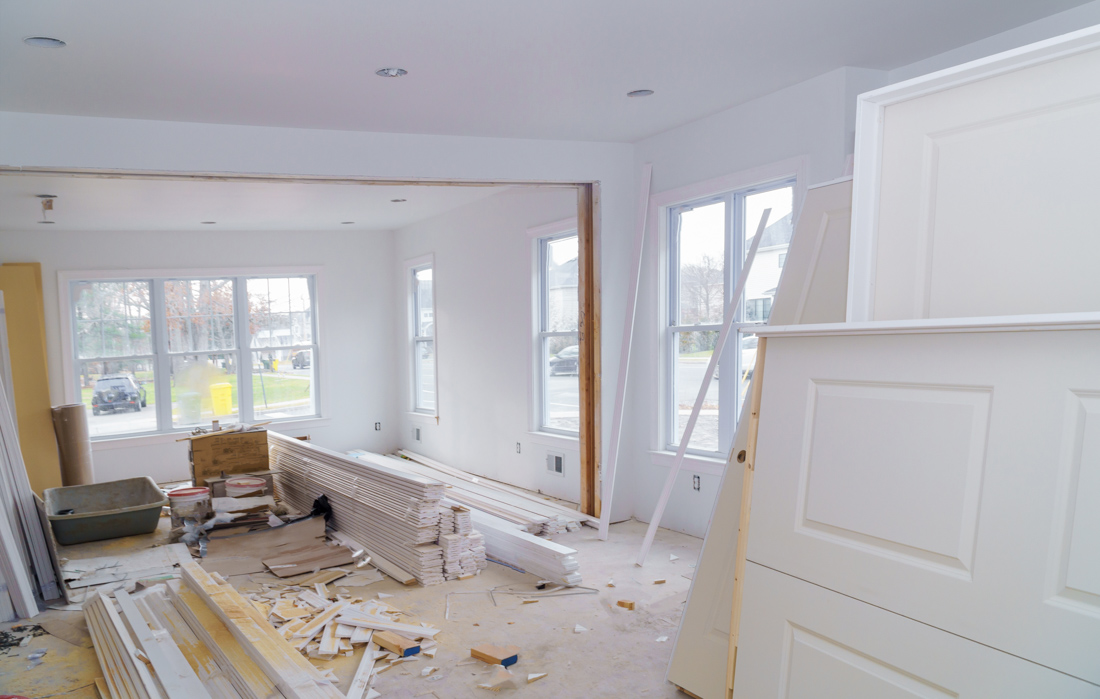
Once you have chosen the size, frame, and glass package, the next step is understanding how window installation works. For picture windows, proper fitting is especially important because these large windows rely on a tight seal, solid support, and careful finishing to perform well in Canadian weather. A beautiful view window can quickly lose its value if air leaks, moisture problems, or poor insulation are left behind.
What happens during installation
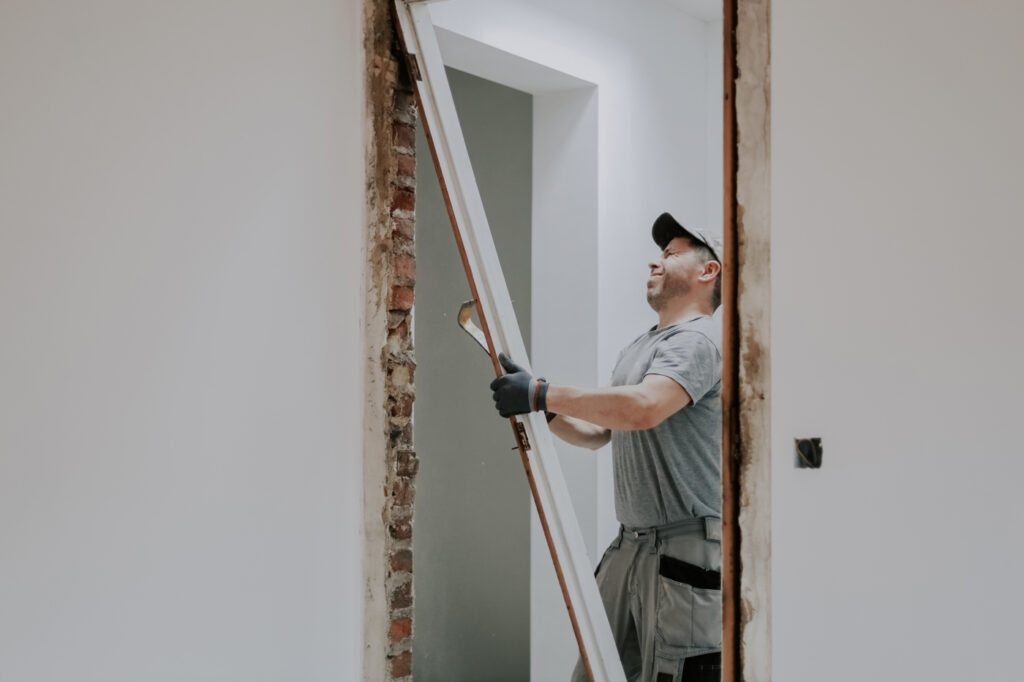
In most homes, the process starts with final measurements and a review of the wall opening. If the project involves window replacement, the old unit is removed first and the surrounding framing is inspected for water damage, rot, or shifting. This step matters because even high-quality custom windows will not perform properly if they are installed into a weak or uneven opening.
Next, the installer prepares the opening with flashing, insulation, and sealing materials suited to the local climate. The new picture window is then placed, levelled, and secured. After that, the perimeter is insulated and sealed to reduce drafts and heat loss. Interior and exterior trim are completed last to give the window a clean, finished appearance.
Homeowners who are comparing contractors should look for teams that specialize in window installation for Canadian homes, especially when dealing with architectural windows or oversized glass units. Precision matters at every stage.
Signs of a quality installation
- The frame sits square and level without visible gaps
- Insulation and sealants are applied neatly and completely
- The trim work looks clean inside and outside
- There are no drafts, rattles, or water leaks after completion
- The glass provides a clear, stable view without stress cracks or movement
DIY vs professional installation
Some homeowners are comfortable handling minor finishing work, but installing picture windows is usually not a simple DIY project. Fixed windows may seem easier because they do not have moving parts, yet their size and weight can make them harder to handle safely. Large glass units often need more than one person, proper lifting equipment, and a clear understanding of structural support.
There is also the issue of building envelope performance. In Canada, poor sealing can lead to condensation, mould, water intrusion, and higher heating costs. That is why many homeowners choose professional help instead of risking expensive corrections later. If your renovation includes nearby entry systems or patio access, it can also help to coordinate with door installation services so the whole project is completed consistently.
Design Tips to Maximize Panoramic Views and Natural Light
Picture windows do more than bring in sunlight. When planned well, they shape the way a room feels and functions. The goal is not only to install large windows, but to make sure they highlight the best parts of your property while supporting comfort, privacy, and energy efficiency.
Choosing the right size and placement
The best picture windows are sized around the room and the view rather than selected from appearance alone. A wide living room wall may suit a horizontal window that captures a backyard or treeline. A stairwell or front foyer may benefit from a tall vertical design that draws the eye upward and brightens the centre of the home.
It also helps to think about what you will see from inside while seated, standing, or walking through the space. A picture window should frame the scenery naturally, whether that is a lake, mature trees, a garden, or urban Canadian scenery. In some homes, combining fixed windows with smaller operable units on the sides offers the best balance between panoramic views and ventilation.
Simple layout ideas
- Centre a picture window on the main seating area in the living room
- Use custom windows to match vaulted ceilings or angled walls
- Pair view windows with side casements for airflow
- Choose slimmer frames to keep sightlines open
- Align window style with other exterior features for a balanced look
Managing privacy, sunlight, and seasonal comfort
Natural light is one of the biggest benefits of picture windows, but too much direct sun can create glare or overheating in summer. This is where orientation and glass choice become important. South- and west-facing windows may need solar-control coatings, while north-facing units often provide softer, even daylight throughout the day.
Privacy should also be considered, especially in suburban neighbourhoods. Frosted side glass, strategic landscaping, or layered window coverings can help maintain openness without making the room feel exposed. In colder provinces, triple-pane fixed windows may be worth the added cost if they improve comfort near the glass during winter.
If your existing frames are leaking or showing signs of wear, it may be smart to arrange expert window repair before issues spread to nearby walls or trim. In other cases, a full upgrade may be the better long-term solution.
Matching picture windows with your home’s style
One reason picture windows remain popular is their flexibility. They work in modern homes with crisp lines, traditional houses with divided-lite accents, and cottages designed to showcase the outdoors. Frame colour, grille style, and trim details all influence the final look.
For a contemporary design, many homeowners choose black, charcoal, or other dark frames that outline the glass and make the scenery stand out. For more classic homes, white or neutral frames can keep the look bright and timeless. Wood-look interiors are also popular when homeowners want warmth inside without giving up modern performance.
When planning a broader exterior update, it helps to review all openings together. A picture window may look best when coordinated with nearby entry doors, patio doors, or sidelights. Homeowners exploring full doors and windows services often find that a matched approach improves both curb appeal and resale value.
Maintenance, Long-Term Value, and When to Replace
Picture windows are relatively low maintenance, but they still need regular care to stay clear, efficient, and attractive. Because they are fixed windows, there are fewer hardware issues to worry about, yet the glass, seals, and frame should still be checked over time.
Easy maintenance for fixed windows
Routine cleaning goes a long way. Use a non-abrasive cleaner, soft cloth, and gentle technique to avoid scratching the glass or damaging specialty coatings. Inspect exterior caulking once or twice a year, especially after severe weather. If you notice cracking sealant, staining, or moisture around the frame, it is best to deal with it early.
Inside the home, watch for condensation patterns. A little surface moisture can happen during very cold weather if indoor humidity is high, but persistent fogging between panes usually points to seal failure. In that case, the insulated glass unit may need repair or replacement.
When window replacement makes sense
Not every issue requires a full replacement, but some warning signs should not be ignored. If the frame is warped, the glass has failed, the opening has water damage, or the unit no longer meets your comfort needs, replacing the window may save money over time. Modern picture windows often outperform older models in insulation, UV protection, and overall durability.
Homeowners should also think about value beyond energy savings. Well-placed architectural windows can improve daily comfort, highlight Canadian scenery, and make the home feel more open year-round. That combination of beauty and function is one reason picture windows remain a strong investment in many parts of Canada.
If you are planning a new installation or considering window replacement for an older unit, Fortify Services can help you choose practical, energy-efficient solutions for your home. From custom windows to full-service installation support, their team understands what Canadian homeowners need. Contact Fortify Services to explore picture windows that bring in more natural light, capture panoramic views, and stand up to Canada’s changing climate.
“`html
Frequently Asked Questions
How much does a picture window installation cost in Canada?
How long does it take to install a picture window?
What makes picture windows different from other window types?
Should I choose double or triple-pane glass for my picture windows?
How often should I check my picture windows for maintenance?
Can I install a picture window myself, or do I need a professional?
“`