

Door threshold problems can lead to drafts, water leaks, rot, and higher energy bills, especially in the Canadian climate. This guide explains how a door threshold and door sill work, common signs of damage, simple threshold repair steps, and when threshold replacement or professional door service is the smarter long-term choice.
Why the door threshold matters more than most homeowners think
A door threshold is the strip at the bottom of an exterior doorway where the door meets the floor. It works together with the door sill, weather stripping, and the bottom seal to keep out wind, rain, snow, dirt, and insects. When this area is damaged or poorly sealed, even a strong entry door can start underperforming.
In Canada, this small part of the entrance takes a lot of abuse. Freeze-thaw cycles, tracked-in salt, heavy rain, drifting snow, and shifting moisture levels can all wear down the threshold over time. That is why regular door service and seasonal inspection are important for homeowners who want better comfort and lower heating costs.
What is the difference between a door threshold and a door sill?
Homeowners often use these terms interchangeably, but they are slightly different. The door threshold is the top strip you step over. The door sill is the structural base under the threshold that helps support the frame and direct water away from the opening. If either part fails, the whole entrance can become vulnerable to moisture damage and air leakage.
On many homes, the threshold may be made of aluminum, wood, composite, or a combination of materials. The door sill underneath may include flashing, sealant, and sloped surfaces designed for weatherproofing. A proper fit is important because gaps at the bottom of the door can affect door sealing, indoor comfort, and even security.
Why thresholds fail in the Canadian climate
Threshold issues are common across Canada because exterior doors face big temperature swings during the year. In winter, cold air can creep through tiny gaps and make floors near the entrance feel icy. In spring and fall, rainwater can work its way into cracked caulking or worn corners. In summer, heat and UV exposure can dry out seals and warp older wood parts.
Common causes of threshold wear include:
- Repeated exposure to snow, slush, and road salt
- Loose screws or shifting door frames
- Flattened weather stripping or damaged bottom sweeps
- Rot in a wood door sill
- Poor drainage at the entrance
- Age-related wear from daily foot traffic
If left alone, a small issue can turn into a bigger entrance repair. Water that gets under the threshold can damage flooring, trim, and subfloor materials. That is why early threshold repair is usually more affordable than waiting for major threshold replacement.
Signs your door threshold needs repair or replacement
Not every threshold problem means the whole assembly must be replaced. In some cases, a simple adjustment, new seal, or fresh caulking is enough. The key is knowing what to look for before the damage spreads.
Visible warning signs around the entrance
Start with a close visual inspection. Open the door fully and check the threshold, door sill, and lower frame. Watch for these common signs:
- Cracks, dents, or corrosion on the threshold surface
- Soft or darkened wood around the sill
- Gaps between the threshold and flooring
- Broken caulking or missing sealant
- Rusty fasteners or loose mounting screws
- Peeling paint or moisture stains near the bottom of the frame
If the threshold looks uneven or the door no longer closes tightly, the issue may involve both the threshold and the frame alignment. In that case, professional door repair services can help identify whether the problem is wear, settling, or installation-related.
Performance problems you can feel inside the home
Some of the biggest warning signs are not visual at all. You may notice a draft near the floor, higher heating bills, or water pooling just inside the entrance after a storm. These are strong clues that weatherproofing and door sealing are no longer doing their job.
Common indoor symptoms
- Cold air coming in around the bottom of the door
- Light visible under the door when it is closed
- Water leaks during rain or snow melt
- Musty smells from trapped moisture
- Difficulty opening or closing the door smoothly
These symptoms often point to worn weather stripping, a damaged sweep, or a threshold that has shifted out of place. In colder provinces, even a small opening can make a noticeable difference in comfort. Good door maintenance helps preserve indoor temperature and reduces strain on your heating system.
When repair is enough and when replacement makes more sense
A basic threshold repair may be enough if the damage is minor and the surrounding structure is still sound. For example, tightening screws, replacing weather stripping, resealing edges, or adjusting the threshold height can often restore a good seal.
Threshold replacement is usually the better option when:
- The threshold is cracked, bent, or badly corroded
- The wood door sill underneath is rotten
- Water has been entering for a long time
- The door no longer aligns properly with the threshold
- Previous repairs have only provided a short-term fix
For older entry systems, replacement may also be the right time to look at the overall condition of the unit. If the door itself is outdated or damaged, a full upgrade through door installation services can improve efficiency, weather resistance, and curb appeal at the same time.
DIY threshold repair tips and when to call a professional
Many Canadian homeowners are comfortable handling small maintenance jobs, and some threshold repair tasks are manageable with basic tools. Still, because the threshold is tied closely to weatherproofing and water control, it is important to repair it correctly.
Simple maintenance and minor repair steps
Before starting any repair, clean the area well and inspect it in dry daylight. Dirt, salt, and old sealant can hide the real condition of the threshold and door sill.
DIY tasks that may help
- Tighten loose screws on an adjustable threshold
- Replace worn weather stripping or a damaged door sweep
- Apply fresh exterior-grade caulking along the edges
- Clean drainage paths so water can move away properly
- Lightly sand and refinish minor surface wear on wood components
After repairs, test the door by closing it slowly and checking for even contact across the bottom. A good seal should reduce drafts without making the door hard to operate. If you can still see light or feel air movement, more work may be needed.
As a practical tip, inspect thresholds at least twice a year, especially before winter and after spring thaw. This kind of door maintenance is simple, but it can prevent larger entrance repair costs later on.
When professional threshold replacement is the safer option
If there is rot, structural movement, recurring leaks, or damage beneath the visible threshold, a professional repair is the safest route. Proper installation may involve removing trim, checking the subfloor, adding flashing, resealing the opening, and making sure the slope and drainage meet good building practice. Canadian homes also need materials that can handle local moisture and temperature conditions.
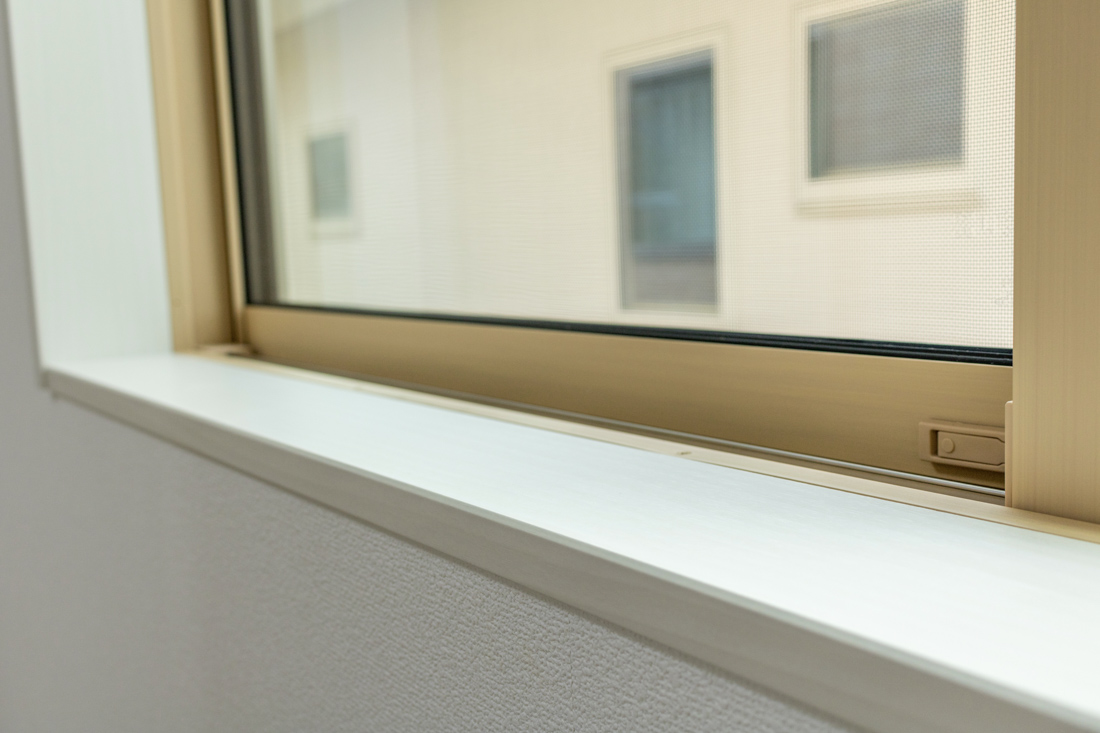
A trained technician can also spot related issues around nearby windows and exterior openings. In some homes, water infiltration at the entrance is part of a larger building envelope problem. If you are updating multiple exterior components, it may help to review your options for window repair or other opening upgrades at the same time.
Whether you need a small threshold repair or a full threshold replacement, acting early protects your home from drafts, water damage, and avoidable wear. Fortify Services helps Canadian homeowners improve door sealing, weatherproofing, and long-term entrance performance with practical solutions designed for our climate.
What happens during professional threshold replacement
When a door threshold has reached the point where patchwork fixes no longer hold up, replacement is often the best investment. A proper threshold replacement does more than swap out one strip at the bottom of the door. It restores the seal, protects the door sill, and helps the whole entrance perform better in the Canadian climate.
Professional technicians usually begin by checking the full opening, not just the visible threshold. That matters because water often travels farther than homeowners expect. A damp threshold can be a sign of hidden sill damage, failed sealant, or poor drainage at the front step. With experienced door repair services, the goal is to fix the source of the problem, not only the symptom.
The main steps in a threshold replacement
While every home is different, most threshold replacement jobs follow a similar process. The old threshold is removed carefully so the surrounding frame and flooring are not damaged. After that, the area underneath is inspected for rot, corrosion, soft wood, or moisture problems.
What professionals typically check
- Condition of the door sill and subfloor
- Signs of trapped moisture or mould
- Frame alignment and door clearance
- Condition of weather stripping and bottom sweep
- Drainage slope and exterior sealing details
If the base materials are still solid, the new door threshold can be fitted, levelled, sealed, and adjusted for a tight close. If the sill underneath is damaged, that part may need repair or replacement as well. This is one reason why professional entrance repair often lasts longer than a quick DIY fix.
Why fit and material choice matter
Not all thresholds are the same. Some are adjustable, while others are fixed. Some use aluminum caps with wood or composite bases, and others are designed for specific insulated entry systems. The right product depends on the door type, the amount of exposure to rain and snow, and how much foot traffic the entrance gets.
In many parts of Canada, durable low-maintenance materials are the better choice because they stand up well to slush, salt, and freeze-thaw cycles. A poorly matched threshold can lead to repeated drafts, sticking doors, or early wear. If your current entry system is older or no longer energy efficient, it may be worth comparing repair costs with professional door installation services for a more complete upgrade.
How to improve weatherproofing and door sealing for long-term performance
A new threshold helps, but strong weatherproofing depends on the whole lower door assembly working together. The threshold, door sill, weather stripping, sweep, caulking, and frame alignment all play a role. If one part fails, air and water can still find a way in.
Key areas that affect bottom-of-door performance
Many homeowners focus only on the visible gap under the door, but effective door sealing involves several connected details. Paying attention to these areas can improve comfort and reduce future threshold repair needs.
Important weatherproofing components
- Bottom sweep that makes even contact with the threshold
- Weather stripping that stays flexible in cold temperatures
- Exterior caulking around the frame and sill edges
- Proper drainage away from the entrance
- A threshold height adjusted to suit seasonal movement
In the Canadian climate, rubber and vinyl parts can harden over time, especially after repeated winter exposure. That is why seasonal inspection is such an important part of door maintenance. If the bottom seal is worn, replacing it early may help delay a larger threshold replacement.
Simple ways homeowners can protect the threshold
You do not need to wait for obvious damage before taking action. A few practical habits can help protect your door sill and threshold through the year.
- Brush away snow buildup from the entrance after storms
- Do not let wet mats trap moisture against the threshold
- Clean off road salt residue before it causes corrosion
- Check for loose screws or cracked caulking in spring and fall
- Watch for small leaks during heavy rain or snow melt
These simple steps support better weatherproofing and can extend the life of your entrance components. Homeowners who are already planning exterior upgrades may also benefit from looking at nearby openings. In some cases, air leakage around an entrance is made worse by older windows, and coordinated improvements through window installation services can improve overall comfort and efficiency.
Energy savings and comfort benefits
A well-sealed threshold does more than block a draft at your feet. It helps stabilize indoor temperatures, reduces moisture intrusion, and lessens the workload on your heating system. In colder provinces, even small air leaks around the door sill can make an entryway feel uncomfortable and raise utility costs over time.
Proper door sealing also helps keep out dust, insects, and outdoor noise. For busy family homes, that means a cleaner, quieter, and more comfortable entrance year-round. If your home has several aging exterior openings, booking a full door service assessment can help identify where repairs will have the biggest impact.
Choosing the right door service for your home
Not every threshold issue requires the same solution. Some homes only need minor threshold repair and fresh weather stripping. Others need a new door sill, better flashing, or a full entrance repair because moisture has already reached the framing below. The right approach depends on the age of the door, the extent of damage, and how well the opening was installed in the first place.
Questions worth asking before you book service
If you are comparing options, it helps to ask a few practical questions. A reliable contractor should be able to explain what has failed, why it failed, and whether repair or replacement offers better long-term value.
Helpful questions for homeowners
- Is the damage limited to the threshold, or has it reached the sill?
- Will new weather stripping solve the draft, or is alignment also an issue?
- Are there signs of hidden water damage below the entrance?
- What materials will hold up best in local weather conditions?
- Will the repair meet current good building practice for sealing and drainage?
In Canada, proper installation details matter because our weather can expose weak points quickly. Good workmanship, quality sealants, and the right materials all make a difference in how long the repair lasts.
When it is time to bring in Fortify Services
If your entrance has recurring leaks, visible rot, cold drafts, or a threshold that no longer seals properly, professional help can save time and prevent bigger repairs later. Fortify Services works with Canadian homeowners to improve door threshold performance, restore weatherproofing, and protect the door sill from ongoing moisture damage.
Whether you need a small threshold repair, a full threshold replacement, or advice on a larger entrance upgrade, the right repair can improve comfort, efficiency, and peace of mind. Contact Fortify Services for trusted door service that is built for the Canadian climate and designed to keep your home better sealed in every season.