
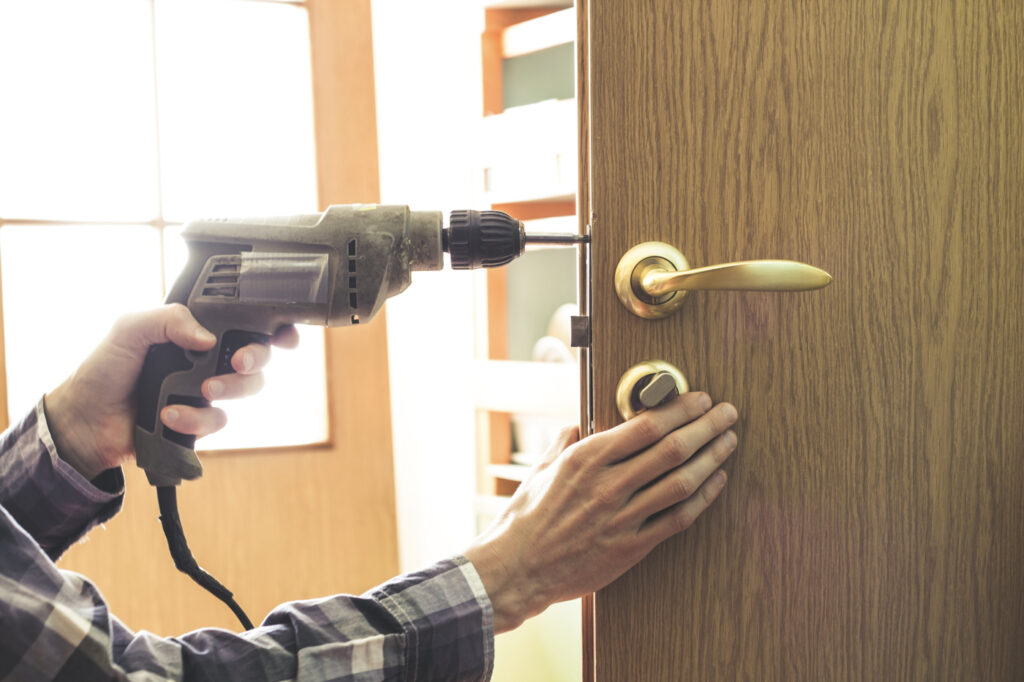

Lock hardware does more than open and close a door. The right lock upgrade can improve daily convenience, strengthen home security, and help older doors work better. This guide explains common lock components, when hardware replacement makes sense, and how Canadian homeowners can choose practical security hardware upgrades.
Understanding Lock Hardware and Why It Matters
Many homeowners think of a lock as one single item, but most doors rely on several lock components working together. When one part wears out, the whole system can become less secure or harder to use. That is why lock hardware should be checked as a complete setup, not just as a keyhole or handle.
Good lock hardware supports both safety and convenience. It helps your door latch properly, resists forced entry, and stands up to daily use through Canadian winters, damp weather, and seasonal expansion in wood doors. A smart lock improvement can also reduce sticking, loose handles, and doors that no longer align well with the frame.
What counts as lock hardware?
Lock hardware includes all the main parts that help secure a door. Depending on the door type, this may include:
- Deadbolts
- Knob locks and lever locks
- Latches and strike plates
- Cylinders and keyways
- Handlesets
- Smart lock systems
- Hinges that support door alignment
- Reinforcement plates and other security hardware
When homeowners plan a hardware replacement, they often focus only on the visible lock parts. In reality, the strike plate, screws, door frame condition, and latch alignment are just as important. Even a high-quality deadbolt may underperform if the surrounding hardware service is incomplete.
Signs your home may need a lock upgrade
A lock upgrade is often needed before a lock fully fails. Catching problems early can prevent lockouts, break-ins, and costly emergency repairs. Common warning signs include:
- The key sticks or turns roughly
- The deadbolt does not extend smoothly
- The handle feels loose or wobbly
- The latch misses the strike plate
- Rust, corrosion, or visible wear on lock parts
- Outdated hardware with limited resistance to forced entry
- Recently moving into an older home with unknown key control
If you notice any of these issues, a lock modernization plan may be a better long-term option than repeated small repairs. For homeowners who want a professional assessment, professional locksmith services can identify whether simple adjustments, part replacement, or a full hardware upgrade is the safest choice.
Why older locks may not meet today’s security needs
Many older homes across Canada still have basic lock hardware that was installed years ago. While it may still function, it may not offer the level of security enhancement expected today. Modern products often include stronger cylinders, better anti-pick features, reinforced strike plates, and improved materials designed for higher durability.
In some cases, homeowners also need to think about insurance expectations, condo rules, or local building practices. While requirements vary by province and building type, using properly installed security hardware is always a smart step. Entry doors should close securely, latch correctly, and resist simple forced entry methods.
Popular Hardware Replacement and Lock Upgrade Options
There is no single solution for every home. The best hardware replacement depends on your door type, budget, daily use, and security goals. Some homeowners want to improve convenience, while others are focused on break-in resistance or updating worn lock parts.
Replacing worn lock parts vs. upgrading the full system
Sometimes a basic hardware service is enough. If the cylinder is in good shape and the issue is limited to a latch or loose trim, replacing individual lock components may restore proper function. This is often a practical option for newer doors with isolated wear.
However, a full lock upgrade may be the better value when:
- Multiple lock parts are failing at once
- The hardware is outdated or mismatched
- You want stronger security hardware
- You have moved into a new home and want fresh key control
- You are upgrading to smart access or keyless entry
In these situations, a full hardware upgrade can improve security, appearance, and ease of use at the same time.
Common lock upgrade options for Canadian homes
1. Deadbolt replacement
A deadbolt upgrade is one of the most effective ways to improve front door security. Many entry doors benefit from a stronger deadbolt with a reinforced strike plate and longer mounting screws anchored into the frame. This type of lock improvement can make forced entry more difficult and help the door perform better overall.
2. Keyed knob or lever replacement
If your knob or lever feels loose, jams often, or looks heavily worn, replacing it can improve both function and appearance. Lever sets are also easier for many people to use, especially in homes with children, seniors, or anyone with limited hand strength.
3. Smart lock modernization
Smart locks are becoming more common in Canadian households. They can offer keypad access, mobile control, temporary codes for guests, and easier entry during cold weather when keys are inconvenient. A smart lock upgrade should still include strong physical lock hardware, not just digital features. Battery backup, weather resistance, and correct installation all matter.
If you are unsure which model suits your home, expert locksmith support can help match the right product to your door and usage needs.
4. Strike plate and frame reinforcement
One of the most overlooked security enhancement options is reinforcing the area around the latch and deadbolt. A stronger strike plate and better screws can improve how the lock hardware performs under pressure. This is a cost-effective hardware replacement step that supports the rest of the lock system.
5. Rekeying during hardware service
Not every lock upgrade requires all-new hardware. In some cases, rekeying the cylinder is the right solution, especially after moving, losing keys, or changing who has access to the home. Rekeying can also be combined with selective lock parts replacement for a balanced, budget-friendly upgrade.
DIY or professional installation?
Some homeowners are comfortable replacing basic lock hardware on their own. A simple knob swap on an interior door may be manageable with standard tools. But exterior doors are different. Small errors in alignment, backset measurement, or strike plate positioning can weaken the whole system.
DIY work may be reasonable when:
- The replacement matches the existing door prep exactly
- The frame is square and in good condition
- You are replacing a simple interior lock
- You understand the manufacturer instructions fully
Professional help is usually best when:
- You are upgrading entry door security hardware
- The door is misaligned or damaged
- You want smart lock installation
- You need several lock components assessed together
- You want to confirm the hardware meets your security goals
For many Canadian homeowners, the safest route is to have exterior hardware replacement handled by trained technicians. If you need reliable advice on lock modernization, certified locksmith services can inspect the door, recommend suitable lock parts, and install everything correctly for lasting performance.
How to Choose the Right Security Hardware for Your Home
The best lock upgrade is not always the most expensive one. It is the one that fits your door, your lifestyle, and your security concerns. Start by looking at how the door is used every day. A busy front entry may need more durable lock hardware than a side door used only occasionally.
Also think about weather exposure. In many parts of Canada, freeze-thaw cycles, moisture, and temperature swings can affect lock components over time. Choose finishes and materials designed for exterior use, especially for doors exposed to snow, rain, or direct wind.
Finally, consider the whole entry system. Good security hardware works best when paired with a solid door, a stable frame, and proper installation. If your current setup is old or unreliable, professional locksmith services in Canada can help you plan a practical hardware upgrade that improves both safety and convenience.
Comparing Materials, Features, and Performance
Once you understand the basics of lock hardware, the next step is choosing products that will hold up well in real Canadian conditions. A lock upgrade should not be based on looks alone. The best hardware replacement balances strength, weather resistance, ease of use, and compatibility with your existing door.
Best materials for exterior lock hardware
Material quality has a direct effect on how long lock components last. For exterior doors, homeowners should look for finishes and metals that resist corrosion, temperature swings, and daily wear. This matters even more in parts of Canada where snow, road salt, and damp coastal air can shorten the life of exposed security hardware.
Common options include:
- Brass, which offers good corrosion resistance and a classic appearance
- Stainless steel, known for durability and strong weather performance
- Zinc alloy, often used in budget-friendly lock parts and decorative hardware
- Bronze finishes, which can work well for style and moderate durability
Not all finishes perform the same way outdoors. A hardware upgrade for a covered front porch may differ from one installed on a fully exposed side entrance. If you are replacing lock hardware on an exterior door, it is wise to ask about products rated for Canadian weather. Homeowners who want help comparing options can speak with professional locksmith services before buying new hardware.
Important security features to look for
A proper lock improvement is not just about replacing old pieces with new ones. It is also about choosing better protection. Modern security hardware often includes features designed to reduce common weaknesses found in older locks.
1. Pick-resistant cylinders
Improved cylinders can make manipulation more difficult than with basic older designs. This type of lock modernization may be useful for front and back entry doors where stronger key control is important.
2. Reinforced strike plates
Many break-in attempts target the frame area, not just the lock itself. A stronger strike plate with longer screws helps spread force into the framing behind the jamb. This simple hardware replacement can support a major security enhancement.
3. Bump-resistant and drill-resistant features
Some modern deadbolts include added protection against forced entry methods. These features are worth considering if your current lock hardware is older or very basic.
4. Key control options
If you want tighter control over copied keys, ask about cylinders and keyways that offer better management. This can be useful after moving, after renovations, or when multiple family members need access.
5. Smart access with manual backup
For homeowners considering a smart lock upgrade, manual key access and battery reliability still matter. The best systems combine convenience with dependable physical lock parts.
Matching the hardware to the door
Not every lock hardware product fits every door. Before starting a hardware service, it helps to confirm a few basics:
- Door thickness
- Backset measurement
- Bore hole size
- Handing for levers or specialty handles
- Condition of the frame and jamb
If these details are overlooked, the new hardware may not install correctly or perform as expected. This is one reason many homeowners choose expert locksmith support for entry door upgrades. A professional can assess door prep, alignment, and lock components together so the final result is secure and smooth to use.
Planning a Practical Lock Upgrade for Different Areas of the Home
Different doors serve different purposes, so the best lock upgrade may vary throughout the home. A good plan looks at risk level, traffic, and convenience needs instead of using the same hardware everywhere.
Front entry doors
The front door usually deserves the strongest lock hardware in the house. This is where a quality deadbolt, reinforced strike plate, and durable handleset often make the biggest difference. If your current setup feels loose or outdated, a full hardware replacement may be more effective than replacing one small part at a time.
For many Canadian homes, front entry lock modernization also includes smart features such as keypad entry. This can be especially helpful in winter when gloves, grocery bags, or icy conditions make keys less convenient.
Back and side doors
Back and side entrances are sometimes overlooked, but they should still have dependable security hardware. In many homes, these doors see regular use from family members, pets, and yard access. If the lock parts are worn or the latch does not line up properly, security can drop quickly.
A practical lock improvement here may include a new deadbolt, better weather-resistant hardware, and frame reinforcement. If the door is older, a locksmith can also check whether the existing lock components are worth keeping or whether a full lock upgrade is the better long-term choice.
Garage entry and interior connecting doors
If your garage connects directly to the home, the door between those spaces should not be treated like a basic interior door. It often benefits from stronger lock hardware and reliable latching. This is an area where homeowners sometimes forget about security enhancement, even though it can be an important access point.
Interior privacy locks, basement doors, and home office doors may also need selective hardware replacement. In these cases, the focus may be more on function, convenience, or controlled access than on heavy-duty forced-entry resistance.
Condo units and multi-residential considerations
Condo owners and residents in multi-unit buildings may need to consider building rules before changing lock hardware. Some buildings require approved lock parts, fire-rated hardware, or specific key systems. In certain provinces or property types, life-safety and fire code requirements can also affect what hardware service is appropriate.
Before making changes, it is smart to confirm building policies and have the work reviewed by certified locksmith services. This helps avoid installation issues and ensures the lock upgrade supports both security and compliance.
Maintenance Tips to Protect Your Hardware Investment
Even the best lock hardware needs occasional care. Good maintenance can extend the life of lock components and help you avoid premature hardware replacement.
Simple maintenance steps homeowners can do
- Check for loose screws on handles, strike plates, and trim
- Keep the keyway clean and avoid forcing a sticking key
- Watch for rust, finish wear, or moisture damage
- Make sure the latch and deadbolt line up cleanly with the frame
- Test smart lock batteries before winter and replace them on schedule
It is also important not to use the wrong lubricant. Some products attract dirt or gum up internal lock parts. If a lock feels rough, the issue may be wear, alignment, or cylinder damage rather than simple dryness.
When to schedule professional service
If your door drags, the deadbolt binds, or the frame looks worn, a professional inspection is often the safest choice. Repeated force on misaligned lock hardware can damage both the lock and the door over time. A trained technician can tell whether you need adjustment, part replacement, rekeying, or a full hardware upgrade.
For Canadian homeowners, the right lock modernization plan should improve security, simplify daily use, and stand up to local weather. Whether you need a small lock improvement or a complete hardware replacement, Fortify Services can help you choose reliable security hardware and install it properly. If your locks are worn, outdated, or no longer meeting your needs, contact Fortify Services for trusted locksmith services in Canada and practical solutions built for your home.