
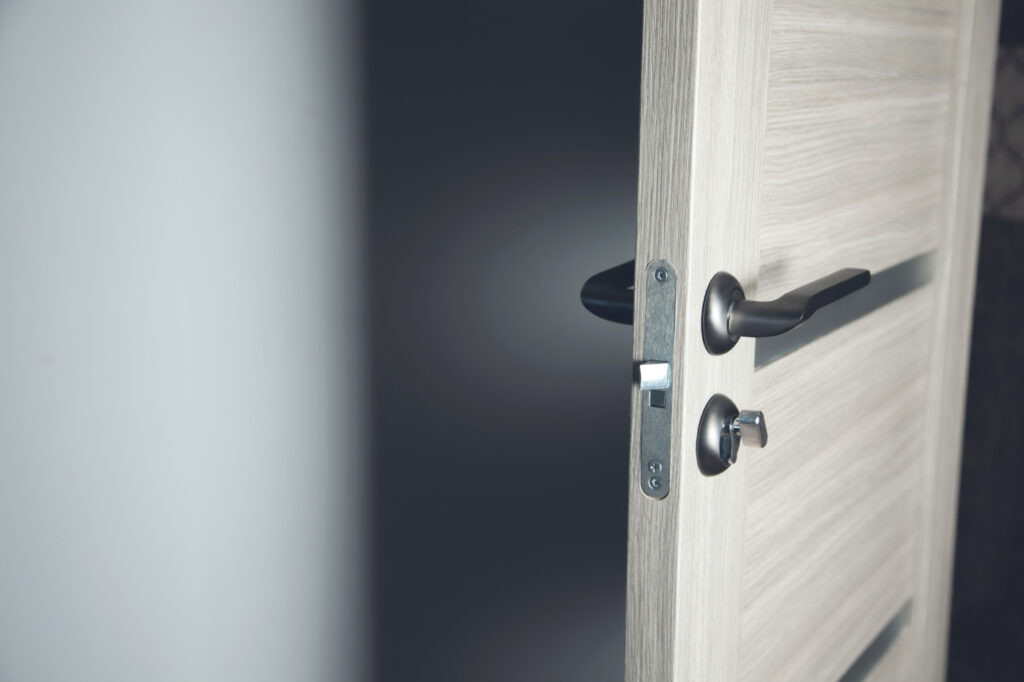

Canadian homeowners often assume any lock will do, but building codes, fire rules, and accessibility standards can affect what is legally allowed on a door. This guide explains lock compliance with Canadian regulations, how code-compliant locks improve safety, and when to call a professional locksmith for help.
Why Lock Compliance Matters in Canadian Homes
When homeowners think about home security, they usually focus on strength, convenience, and price. Those things matter, but lock compliance is just as important. In Canada, building codes, fire safety rules, and accessibility standards can all affect what type of lock can be installed on certain doors. Choosing the wrong hardware can create safety risks, insurance issues, and problems during renovations or inspections.
In simple terms, compliance locks are locks that meet code requirements and match the intended use of the door. A front entry lock in a detached house may have different legal requirements than a lock on a basement suite exit, a condo common door, or a door in a mixed-use building. That is why homeowners should not assume every lock sold in a store is suitable for every application.
For homeowners who want help choosing the right hardware, professional locksmith services can make the process much easier. A trained locksmith can assess the door, explain local building standards, and recommend code-compliant locks that support both security and safe exit.
What “code-compliant locks” usually means
A code-compliant lock is not just a lock that works well. It must also meet regulatory compliance expectations for safety, emergency egress, and sometimes accessibility. In many cases, the lock must allow people to exit quickly without special knowledge, tools, or effort. This is especially important on doors that serve as required exits.
For example, a double-cylinder deadbolt may seem like a strong security upgrade, but on some doors it can conflict with safety codes because it requires a key to unlock from the inside. If there is a fire or emergency, that extra step can delay escape. That is why Canadian regulations often focus on how easily occupants can leave the building, not just how hard it is for intruders to get in.
Why regulations can vary across Canada
Canada has national model codes, but provinces and municipalities may adopt, amend, or enforce them differently. Ontario, Alberta, British Columbia, and other provinces can have their own interpretations or related rules tied to fire prevention, multi-unit housing, and renovation permits. Local authorities may also apply additional building compliance requirements.
This means a lock setup that is acceptable in one area may need changes in another. Homeowners renovating a rental unit, adding a secondary suite, or upgrading a shared entrance should always check the legal requirements that apply in their province and municipality. If you are unsure, it is wise to speak with a regulatory locksmith who understands Canadian regulations and current code requirements.
Key Building Codes and Regulations That Affect Locks
Locks are not regulated in isolation. They are part of the full door system, which includes the frame, latch, closer, hinges, and exit path. To understand lock compliance, homeowners need to look at the bigger picture of building codes, safety codes, and building standards.
Fire safety and emergency egress
One of the most important code requirements in Canada involves safe exit during an emergency. If a door is part of an exit route, the lock must allow fast and simple egress. In many cases, that means the door should open from the inside without needing a key, separate tool, or complicated action.
This is especially relevant for:
- Main entry doors in homes
- Doors serving basement suites or secondary units
- Garage-to-house doors
- Shared exits in duplexes or small multi-unit properties
A deadbolt is not automatically non-compliant, but it has to be appropriate for the door’s use. A single-cylinder deadbolt is often a safer choice than a double-cylinder model on a required exit door. Homeowners should also make sure the thumb-turn is easy to operate and not blocked by a screen door, security bar, or clutter nearby.
Practical tip for homeowners
Stand inside your home and test how quickly you can unlock and open the door in the dark. If the lock is confusing, stiff, or requires a key, it may not support good building compliance even if it feels secure.
Accessibility and ease of use
Some Canadian regulations also consider accessibility. In certain buildings or renovation projects, door hardware may need to be easy to grasp and operate. This can affect the style of lock, lever, or thumb-turn selected. While detached homes may not always face the same standards as public or commercial spaces, accessibility-friendly hardware is still a smart choice for seniors, children, and anyone with limited hand strength.
Homeowners planning to age in place should pay close attention to this area. A lock that meets building standards for ease of use can improve daily convenience and reduce the chance of getting stuck during an emergency. If you need help comparing options, expert locksmith support can help you choose secure hardware that also fits practical accessibility needs.
Rental units, renovations, and secondary suites
Many lock compliance issues come up during renovations. A homeowner may convert a basement into a rental suite, replace old doors, or add extra security without realizing the project changes the applicable code requirements. Once a space becomes a legal secondary suite or rental unit, additional Canadian regulations may apply to exits, fire separation, and life safety.
In these cases, locks should be reviewed as part of the full upgrade plan. A strong lock is important, but so is making sure tenants can exit safely and that emergency responders are not delayed by non-compliant hardware. This is one reason why DIY lock changes can become risky when a home’s use changes.
Before installing new hardware, homeowners should ask:
- Is this door part of a required exit?
- Can the door be opened from the inside without a key?
- Does the lock work properly with the door closer and latch?
- Do local building codes or permit conditions affect this door?
Common Lock Compliance Mistakes Homeowners Should Avoid
Even well-meaning homeowners can create problems by choosing locks based only on security marketing. The best lock is the one that balances security, safety, and legal requirements. Below are some of the most common mistakes seen in Canadian homes.
Installing double-cylinder deadbolts on exit doors
This is one of the most frequent issues. These locks require a key on both sides, which can slow down escape during a fire. While there may be limited situations where they are used, they often raise red flags on primary exit doors. Homeowners should be very careful before using them anywhere people may need to leave quickly.
Mixing incompatible hardware
A lock may be high quality on its own but still fail to meet building compliance needs if it does not work properly with the door. A misaligned latch, warped frame, or poorly fitted strike can stop the door from latching securely or opening smoothly. That can affect both security and safety codes.
If your door sticks, does not latch fully, or needs force to open, the issue may be more than wear and tear. It may be time to have the full assembly checked by a pro offering code-compliant lock services.
Assuming store-bought locks meet every code
Retail packaging often highlights features like pick resistance or smart access, but it rarely explains whether the product suits your specific building type. Homeowners should remember that code-compliant locks depend on where and how the lock is used. A product can be well made and still not fit the legal requirements for a particular door.
That is why a little expert advice goes a long way. Fortify Services helps Canadian homeowners understand lock options in a practical way, with solutions that support safety, regulatory compliance, and peace of mind.
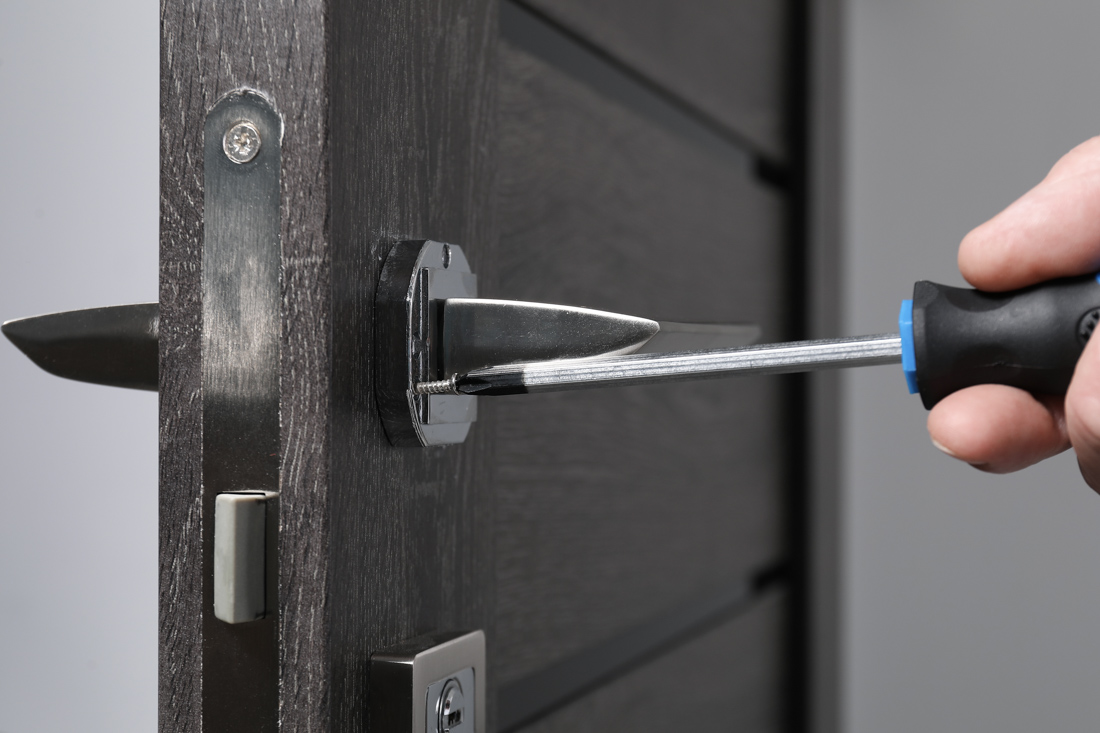
How to Check Whether Your Locks Meet Code Requirements
Many homeowners do not know there may be a lock compliance problem until a renovation, insurance review, or safety inspection brings it up. The good news is that you can do a basic review of your own doors before calling for help. A simple walkthrough can reveal whether your current hardware supports building compliance, safe exit, and everyday use.
Start with every exterior and suite door
Walk through your home and identify any door that leads directly outside, into an attached garage, or into a separate living area such as a basement suite. These are the doors most likely to be affected by building codes, safety codes, and other Canadian regulations. Ask yourself how the lock works from the inside and whether someone could exit quickly in an emergency.
Pay close attention to doors used by tenants, guests, older family members, or children. If a lock needs a key from inside, sticks in cold weather, or takes more than one awkward motion to open, it may not align well with code requirements. In many Canadian homes, the issue is not the lock alone but the full door setup.
Look at the whole door system
A lock can only perform properly if the rest of the door assembly is in good shape. Building standards often depend on the door, frame, latch, strike, hinges, and closer working together. If the door swells in winter, drags on the threshold, or does not latch unless slammed, that can affect both security and regulatory compliance.
Homeowners often replace the lock and assume the problem is solved, but the real issue may be alignment or wear. If you are unsure what needs to be fixed, professional locksmith services can inspect the full setup and recommend practical corrections.
Quick homeowner checklist
- Can the door be opened from inside without a key?
- Does the latch engage fully every time?
- Is the thumb-turn easy to use?
- Does the door open smoothly without force?
- Has the space changed use, such as becoming a rental unit?
If you answer no to any of these questions, it is worth taking a closer look. Small issues can become serious when a door is part of a required exit path.
Do not forget smart locks and security add-ons
Smart locks are popular across Canada, but convenience features do not automatically mean code-compliant locks. Some models work well within building standards, while others can create concerns if they interfere with emergency egress, battery backup, or simple operation from inside. The same goes for door bars, flip latches, and aftermarket security devices.
Before adding extra hardware, check whether it could slow someone down during an emergency. A secure home should still allow quick exit. If you want modern features without creating a building compliance issue, a regulatory locksmith can help match the right product to the right door.
When to Upgrade to Code-Compliant Locks
Not every lock needs immediate replacement, but some situations make an upgrade the smart and responsible choice. If your hardware is old, confusing, damaged, or no longer suited to how the space is used, replacing it with code-compliant locks can improve both safety and peace of mind.
After a renovation or layout change
Home upgrades often trigger new legal requirements. If you have finished a basement, created a secondary suite, enclosed a porch, or changed how a door is used, the old lock setup may no longer fit current code requirements. This is common in cities where homeowners add rental income suites or multigenerational living spaces.
Even if the door worked fine before, a new use can change the applicable Canadian regulations. A lock that was acceptable for a storage area may not be suitable once the space becomes part of a living unit. Reviewing hardware during renovations helps avoid costly corrections later.
When a lock creates daily safety concerns
Some compliance problems show up in everyday life. Maybe the deadbolt is hard to turn, the key is often left in the cylinder, or the door jams when the weather changes. These issues may seem minor, but they can become dangerous in an emergency. Building codes are designed around real-life safety, not just technical rules.
If a family member would struggle to unlock the door quickly under stress, that is a strong sign the hardware should be reassessed. In these cases, investing in code-compliant lock services can be one of the most practical home safety upgrades you make.
Before listing, renting, or insuring a property
Lock compliance also matters when a home changes hands. Landlords, sellers, and property owners may face more questions about building standards, fire safety, and legal requirements. If a tenant, buyer, inspector, or insurer notices non-compliant hardware, it can delay the process or create pressure to make fast changes.
A pre-listing or pre-rental lock review is a smart way to avoid surprises. It shows that the property has been maintained responsibly and helps reduce concerns around safety codes and exit security. This is especially useful for duplexes, basement apartments, laneway homes, and other properties with more than one dwelling area.
Why Professional Help Matters for Regulatory Compliance
DIY lock changes can work for simple replacements, but code-related decisions are different. A lock that looks similar on the shelf may have a very different effect on building compliance once installed. That is why many Canadian homeowners choose expert help when safety, rental use, or permit-related work is involved.
A locksmith can spot issues homeowners miss
An experienced locksmith does more than install hardware. They look at egress, latch function, strike alignment, door condition, user safety, and the practical demands of the space. They can also explain where building codes and local enforcement may affect your choices, especially if your property includes a suite, shared entrance, or altered floor plan.
Working with a specialist can save time and prevent repeated hardware purchases. Instead of guessing which product meets the right building standards, you get advice based on how the door is actually used. If you need expert guidance, trusted locksmith support from Fortify Services can help you choose secure, code-aware solutions for your home.
Canadian experience matters
Locks in Canada deal with more than security threats. They also face freezing temperatures, moisture, door movement, and regional enforcement differences. A product that performs well in one province or one type of building may not be ideal somewhere else. Local knowledge matters when balancing security, weather resistance, and regulatory compliance.
Fortify Services understands the practical side of Canadian regulations and homeowner needs. Whether you are replacing one entry lock or reviewing several doors as part of a renovation, the goal is the same: hardware that works reliably, supports safe exit, and fits the legal requirements of the space.
Final thoughts for homeowners
Lock compliance is about more than passing an inspection. It is about protecting the people inside your home while meeting the building codes, safety codes, and legal requirements that apply to your property. The right lock should feel secure, operate easily, and support fast exit when it matters most.
If you are unsure whether your current hardware meets Canadian regulations, Fortify Services can help. From identifying code-compliant locks to correcting problem doors and advising on upgrades, their team provides practical solutions for homeowners across Canada. Reach out today to make sure your locks support real safety, strong security, and long-term building compliance.