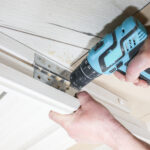



Window trim and window casing do more than frame your view. They protect against moisture, improve energy efficiency, and add clean architectural details to Canadian homes. This guide explains common trim problems, repair options, trim replacement, and when professional help makes the most sense.
Why window trim and window casing matter in Canadian homes
Window trim is often seen as a finishing touch, but it plays a much bigger role in home maintenance. Both interior and exterior trim help seal gaps, protect surrounding materials, and give windows a polished look. Window casing, which is the decorative and functional frame around the window, also supports proper window finishing and ties the whole room or exterior wall together.
In Canadian homes, trim faces extra stress from freeze-thaw cycles, humidity, heavy rain, snow, and strong summer sun. Over time, wood trim can crack, swell, peel, or rot. Even newer materials can loosen or separate if moisture gets behind them. When this happens, trim repair is not just about appearance. It can help prevent drafts, water damage, mould growth, and higher heating costs.
If you are already dealing with sticking sashes, leaks, or damaged frames, it may help to explore broader doors and windows services so the trim and the window system are assessed together.
What is the difference between window trim and window casing?
Homeowners often use these terms interchangeably, and that is common. In simple terms, window casing is the moulding that surrounds the window frame, while window trim can refer to the full finished look, including casing and other decorative pieces. In many homes, especially older properties, the two work together to create neat lines and attractive architectural details.
Whether your style is modern, farmhouse, heritage, or traditional, good trim installation improves curb appeal and interior finish quality. More importantly, it helps close small gaps where air and moisture can enter.
Why damaged trim should not be ignored
Small issues can turn into expensive repairs if they are left alone. A hairline crack in wood trim may seem minor, but once water gets in, rot can spread into the wall assembly or window frame. On the inside, damaged casing can point to condensation problems or hidden leaks. On the outside, peeling paint and soft trim are often early warning signs.
Prompt window restoration helps homeowners protect their investment. It can also support energy performance, especially in older Canadian homes where original materials may still be in place. If the window itself is also failing, getting advice on window repair can save time and prevent repeat issues.
Common signs you need trim repair or trim replacement
Knowing what to look for can help you act before damage spreads. Some trim problems are cosmetic, while others suggest deeper structural or moisture concerns.
Visible damage around the window
The most obvious signs include cracked caulking, chipped paint, dents, separated joints, and soft spots in wood trim. Exterior window casing may also show dark staining, mildew, or areas that feel spongy when pressed. Indoors, bubbling paint or swollen trim can mean moisture is getting trapped around the opening.
Watch for these red flags
- Peeling or flaking paint near the window
- Gaps between the wall and window casing
- Rotting or splitting wood trim
- Drafts around the window edge
- Water stains or discolouration
- Nails popping out or loose trim pieces
These symptoms do not always mean full trim replacement is needed, but they should be inspected. In some cases, the trim can be repaired, sealed, and refinished. In others, especially where rot is advanced, replacement is the safer and longer-lasting option.
Drafts, moisture, and energy loss
One of the biggest practical reasons to repair window trim is to improve comfort. If cold air enters around the casing in winter, your furnace has to work harder. If humid summer air gets in, it can affect indoor comfort and even lead to condensation issues.
Damaged trim can also allow water infiltration. In Canada, where weather changes quickly, repeated wetting and drying can break down caulking and paint fast. This is especially true on south- and west-facing walls that get strong sunlight and driving rain. Proper trim repair, sealing, and painting help defend the building envelope.
If your windows are older, loose, or no longer performing well, it may be worth comparing repair with window installation to see which option offers better value over time.
Problems in older and heritage-style homes
Many Canadian homes have original or older window casing with detailed profiles and unique architectural details. These features add character, but they can be harder to maintain. Older wood trim may have layers of paint, hidden rot, or past patch jobs that no longer hold up.
In heritage-style homes, careful window restoration is often the best approach. Instead of removing everything, professionals may repair damaged sections, replicate the original profile, and preserve the look of the home. This keeps the charm while improving durability and weather resistance.
Repair or replace? How to choose the right solution
The best choice depends on the condition of the material, the age of the window, and your long-term goals. Some homeowners want a quick cosmetic fix before selling. Others want a lasting upgrade that reduces maintenance for years.
When trim repair makes sense
Trim repair is often a good option when damage is limited to small cracks, surface wear, minor joint separation, or isolated rot in one section. A proper repair may include removing damaged material, treating the area, filling or patching, re-caulking, sanding, priming, and repainting.
This approach can be cost-effective and is often ideal when the surrounding window casing is still solid. It also works well for homeowners who want to preserve existing wood trim and maintain original design details.
DIY-friendly repairs homeowners can handle
For small issues, experienced DIY homeowners may be able to:
- Scrape loose paint and sand rough areas
- Apply exterior-grade caulking to small gaps
- Fill minor cracks with wood filler
- Prime and repaint exposed trim
- Replace a short damaged trim piece on an interior wall
That said, any sign of deep rot, recurring moisture, or hidden damage calls for a professional inspection. A patch that looks good for one season may fail quickly if the source of the problem is not fixed.
When trim replacement is the better investment
Trim replacement is usually recommended when the material is badly rotted, warped, repeatedly repaired, or no longer attached securely. It is also smart when the existing trim was installed incorrectly or when a full window restoration project is underway.
New trim installation gives you the chance to upgrade materials and improve water management around the opening. Homeowners can choose from traditional wood trim, engineered wood products, PVC, composite materials, or moisture-resistant options suited to local climate conditions.
Professional installers also check flashing, sealant lines, and fit around the frame. This matters because even the best-looking window finishing will fail if water is allowed behind it. In some homes, trim work is completed alongside entry upgrades or related exterior improvements, and Fortify Services can also help homeowners planning doors installation as part of a broader update.
Material choices for Canadian weather
Wood trim remains popular because it looks warm, can be shaped into custom profiles, and suits many home styles. However, it needs regular painting and careful maintenance. PVC and composite trim products are lower maintenance and resist moisture well, making them a practical choice in wet or snowy regions.
The right material depends on your budget, design preferences, and exposure to weather. A professional can recommend options that match local conditions, building practices, and the style of your home. In many provinces, exterior repairs should also support code-compliant moisture control and air sealing, especially when work affects the wall assembly around the window.
Whether you need a simple trim repair or a full trim replacement, acting early helps protect your home, preserve important architectural details, and keep your windows looking and performing their best.

The window trim repair process: what homeowners can expect
A good repair or trim replacement project starts with a careful inspection. This step matters because damaged window trim is often a symptom, not the root cause. Water may be entering from failed caulking, poor flashing, roof runoff, ice buildup, or even condensation from inside the home. Before any new window casing or wood trim goes in, the source of the problem should be identified.
Step 1: Inspection and moisture assessment
Professionals usually begin by checking the full window opening, not just the visible trim. They look for soft spots, joint movement, staining, peeling paint, and gaps where air or water may be getting in. In Canadian homes, this is especially important after winter, when freeze-thaw cycles can widen small cracks and push moisture deeper into materials.
If damage extends beyond the trim, homeowners may need broader doors and windows services to address the full problem properly. A complete assessment helps avoid repeated patch jobs and supports better long-term home maintenance.
Step 2: Remove damaged material and prepare the area
Once the issue is confirmed, loose or rotted trim is removed carefully. On older homes, this may involve preserving nearby finishes or matching original architectural details. The exposed area is then cleaned, dried, and checked for hidden damage in the surrounding frame or wall surface.
This step is important for window restoration because new trim installation should never cover wet or unstable material. If the substrate is not sound, even high-quality window finishing will fail early.
Step 3: Repair, seal, and install new components
Depending on the condition, the contractor may patch part of the existing wood trim or install new pieces. Joints are fitted tightly, sealants are applied where needed, and the trim is installed to support drainage and movement. Exterior areas may also be re-caulked and primed before painting.
When the window unit itself is contributing to the issue, it makes sense to consider window installation at the same time. Combining projects can improve air sealing, reduce labour overlap, and deliver a cleaner final result.
Step 4: Finishing and final inspection
The last stage includes sanding, priming, painting, or staining so the repaired window casing blends with the rest of the home. A final inspection checks fit, appearance, and weather protection. Good finishing is not only about looks. It helps shield the trim from UV exposure, moisture, and seasonal wear.
How to protect window trim and casing after repair
Once trim repair or trim replacement is complete, regular upkeep helps extend its life. This is particularly true in Canada, where weather can shift quickly from deep cold to humid heat.
Seasonal maintenance tips for Canadian homeowners
A simple inspection twice a year can prevent many larger problems. Spring and fall are ideal times to look closely at exterior window trim and interior casing.
Smart maintenance habits
- Check caulking for cracks or shrinkage around the window
- Look for peeling paint, discolouration, or soft wood trim
- Keep eavestroughs and downspouts clear so water does not run onto trim
- Watch for indoor condensation collecting near window casing
- Touch up paint quickly when bare material becomes exposed
- Trim back shrubs or vines that trap moisture against the wall
These small steps support home maintenance and help preserve important architectural details. They also reduce the risk of hidden rot, insulation damage, and mould around the opening.
Interior moisture control matters too
Many homeowners focus only on exterior weather exposure, but indoor humidity can also damage window trim. In winter, warm indoor air can condense on cold glass and surrounding surfaces. Over time, that moisture can affect paint, wood trim, and even drywall near the window.
Using kitchen and bathroom fans, keeping humidity at reasonable levels, and improving airflow near windows can all help. If condensation is persistent, the issue may involve the window itself rather than just the trim. In that case, scheduling professional window repair is often the next best step.
Why proper installation makes a difference
Even the best material will not last if it is installed incorrectly. Trim should allow for movement, seal vulnerable edges, and work with the window assembly rather than against it. In many provinces, repair work around openings should also respect local building code expectations related to moisture control, air sealing, and safe installation practices.
This is one reason many homeowners choose professional help for window finishing and trim replacement. A trained installer can match profiles, choose suitable materials, and make sure the completed work stands up to local climate conditions.
When to call a professional for window trim and casing repair
Some minor touch-ups are manageable for skilled DIY homeowners, but many trim problems are more complex than they first appear. If you are unsure whether the issue is cosmetic or structural, a professional inspection can save money and stress.
Signs the job is beyond a basic DIY repair
You should call an expert if the trim feels soft, the damage keeps coming back, or there are visible signs of water entering the wall. The same is true if multiple windows show the same problem, since that may point to a larger installation or drainage issue.
Professional help is also worth considering when:
- The home has older or custom window casing profiles
- Rot extends into the sill, frame, or sheathing
- You want matching trim replacement for several windows
- The repair involves upper-storey exterior access
- You are preparing for resale and want a clean, lasting finish
In some cases, nearby openings may also need attention. For example, if moisture or settlement is affecting both windows and entry systems, related door repair may help protect the home more completely.
Choosing the right contractor in Canada
Look for a company that understands local weather demands, material performance, and the needs of Canadian homes. Experience with both repair and installation is helpful because it allows the contractor to recommend the most practical option rather than a one-size-fits-all solution.
Ask whether they work with wood trim, composite products, and custom profiles. It is also smart to ask how they handle moisture protection, paint preparation, and trim installation around existing windows. Clear communication, detailed estimates, and knowledge of regional conditions all matter.
Investing in appearance, comfort, and protection
Well-maintained window trim does more than improve curb appeal. It supports energy efficiency, protects the wall assembly, and keeps your home looking finished inside and out. Whether you need a small trim repair, a full trim replacement, or careful window restoration on an older property, timely action usually costs less than waiting.
Fortify Services helps homeowners across Canada with practical solutions for window trim, window casing, and complete window finishing needs. If you have noticed peeling paint, soft wood trim, drafts, or signs of moisture, now is a good time to get expert advice. Contact Fortify Services to book an assessment and find the right repair or replacement plan for your home.