

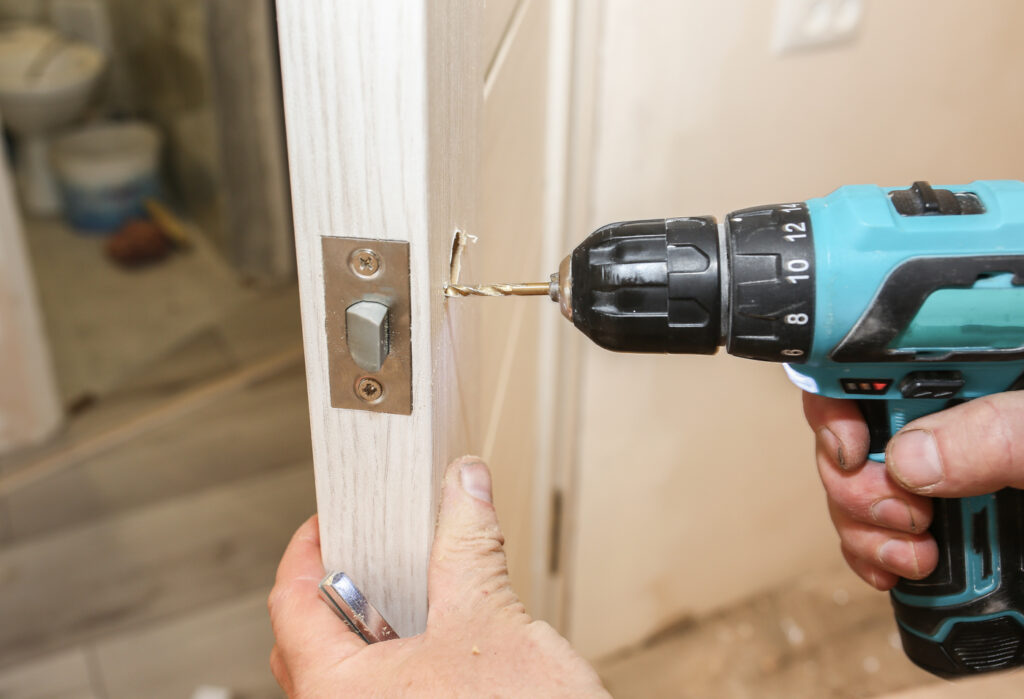

Industrial locksmith services help Canadian manufacturing sites protect people, equipment, inventory, and daily operations. This guide explains factory locks, industrial doors, access control, plant security risks, and practical ways to improve facility security with reliable, code-aware solutions for heavy industry and production security.
Why Industrial Locksmith Services Matter in Canadian Manufacturing
Canadian manufacturing sites face security challenges that are very different from a typical office or retail space. A factory may run long shifts, store expensive tools, manage restricted areas, and depend on smooth movement between production zones. That is why working with an experienced industrial locksmith is so important. The right security setup supports safety, protects assets, and helps prevent costly downtime.
In heavy industry, even a small lock problem can create major disruption. A damaged cylinder on a loading door, a worn key system, or poor control over who can enter a plant room can affect production security and worker confidence. Strong manufacturing security is not only about preventing theft. It is also about controlling access, reducing internal risk, and making sure industrial doors, gates, and lock systems work reliably in demanding conditions.
What makes industrial sites different?
Manufacturing facilities often deal with larger buildings, more entry points, and harsher environments than many other properties. Dust, vibration, weather exposure, chemicals, and frequent use can wear down hardware quickly. A manufacturing locksmith understands how these conditions affect factory locks and industrial access systems.
Industrial security also has to match the way a facility operates. A food processing plant, metal shop, warehouse, or packaging centre may all need different lock solutions. Some areas require limited access for supervisors only. Others need fast emergency egress while still protecting equipment and inventory. A proper security plan balances convenience, compliance, and plant security.
Common risks in factories and plants
Many Canadian facilities share a similar set of security concerns. These include:
- Lost, copied, or untracked keys
- Worn or outdated factory locks on high-use doors
- Poorly secured maintenance rooms and electrical areas
- Weak perimeter security around shipping and receiving zones
- Access issues during shift changes or contractor visits
- Emergency exit hardware that is damaged or not code-ready
These problems can lead to theft, unauthorized entry, safety concerns, and delays in production. If your site depends on secure industrial doors and controlled movement between work areas, it helps to arrange regular inspections and upgrades with professional locksmith services that understand industrial needs.
How an industrial locksmith supports facility security
An industrial locksmith does more than change locks. They assess how people move through the site, where risks exist, and which hardware is best for the environment. This can include rekeying, master key systems, panic hardware, door closers, lock replacement, key control planning, and access solutions for sensitive areas.
For many Canadian manufacturers, this support becomes part of a wider facility security strategy. Reliable lock systems help reduce unauthorized access, protect stock, and improve accountability. If a key holder leaves the company or a security incident happens, quick service matters. In these situations, getting help from an expert locksmith for industrial access can limit disruption and restore control fast.
Key Security Systems Used in Manufacturing Facilities
Industrial locksmith services cover a wide range of hardware and security upgrades. The best approach depends on the size of the site, the type of production, and the level of risk. In Canada, building use, fire safety requirements, and local code expectations should always be considered when choosing new lock systems.
Factory locks for high-traffic doors
Factory locks need to handle frequent use and rough conditions. Standard residential-grade hardware is usually not enough for manufacturing settings. Commercial and industrial-grade locks are built for durability, better key control, and stronger resistance to forced entry.
Common choices include heavy-duty deadbolts, mortise locks, cylindrical lever locks, and high-security key systems. For exterior entries, weather resistance is also important, especially in provinces where snow, ice, and temperature swings can affect performance. A manufacturing locksmith can recommend hardware suited to both indoor and outdoor use.
When should factory locks be upgraded?
You should consider upgrades if keys are frequently lost, locks stick or jam, doors no longer latch properly, or former staff may still have access. Upgrades are also wise after renovations, staffing changes, or security incidents. In many cases, rekeying is a cost-effective first step, but older hardware may need full replacement to support long-term industrial security.
Industrial doors and access points
Industrial doors are a major part of plant security. These may include personnel doors, overhead doors, cage doors, service entrances, and restricted internal doors. Each one needs the right combination of locks, closers, hinges, exit devices, and reinforcement.
For example, a shipping entrance may need strong perimeter protection and controlled access during off-hours. A maintenance room may need limited key access. An emergency exit must allow safe egress while staying secure from the outside. Hardware must also align with applicable fire and life safety expectations, which can vary by building type and province.
If your facility has older doors or damaged frames, lock quality alone may not be enough. The full opening should be inspected. For help with repairs, rekeying, or hardware upgrades, many facilities rely on certified locksmith services for facility security to make sure every component works together.
Master key systems and controlled industrial access
One of the most practical tools in manufacturing security is a master key system. This allows different employees to access only the areas they need, while supervisors or managers can carry one master key for broader entry. It improves convenience without giving everyone unrestricted access.
For example, line staff may only enter production areas, while maintenance teams can access service rooms and utility spaces. Management may need access across the full site. This type of structured industrial access supports accountability and reduces the risk of internal security issues.
Good key control is just as important as the hardware itself. Keys should be logged, assigned, returned, and reviewed regularly. If there is no clear record of who has which key, plant security becomes harder to manage.
Access control and hybrid security setups
Some manufacturing sites combine traditional locks with electronic access control. This can be useful for server rooms, research areas, inventory cages, and staff-only entrances. Cards, fobs, PIN pads, or audit-enabled systems can help track movement and simplify credential changes when staff roles change.
A hybrid setup often works well in heavy industry. Mechanical locks provide dependable backup, while electronic systems improve visibility and control. The right solution depends on budget, workflow, and risk level. If you need guidance on balancing these options, it is worth speaking with a manufacturing locksmith in Canada who can match the system to your facility.
Practical Ways to Improve Plant Security and Reduce Downtime
Improving plant security does not always require a complete overhaul. In many cases, small, targeted changes can make a noticeable difference. Start by reviewing your highest-risk areas: shipping doors, tool storage, maintenance rooms, records rooms, and exterior entries that are used during shift changes.
Simple steps facility managers can take
- Rekey locks after staffing changes or contractor turnover
- Inspect industrial doors for frame damage, sagging, or latch issues
- Limit who has access to sensitive production and utility areas
- Replace residential-grade hardware with industrial-grade products
- Create a written key control policy for all departments
- Schedule routine lock and door hardware maintenance
These steps can improve facility security, reduce emergency callouts, and help keep production moving. In a busy manufacturing environment, prevention is usually more affordable than dealing with a lock failure during operating hours.
Canadian businesses should also consider weather exposure, emergency egress rules, and local building expectations when planning upgrades. Choosing quality hardware and skilled installation helps avoid recurring issues and supports safer day-to-day operations.

Choosing the Right Industrial Locksmith for Heavy Industry
Not every locksmith is equipped for manufacturing security. Industrial sites often need stronger hardware, better planning, and faster response times than a small commercial property. In heavy industry, locks and doors are part of daily operations, so the wrong repair or poor installation can lead to repeat failures, safety concerns, or lost production time.
When comparing providers, look for experience with industrial doors, high-use openings, master key systems, and code-aware exit hardware. A dependable industrial locksmith should understand how Canadian facilities operate, including shift work, contractor access, weather exposure, and the demands placed on plant security systems in different provinces.
What to look for in a manufacturing locksmith
A good manufacturing locksmith should be able to assess the full opening, not just the lock. That means checking the frame, hinges, closer, strike, panic hardware, and door alignment. In many factories, lock issues are really door hardware issues. If the door does not close properly, even the best lock may not provide proper facility security.
It also helps to choose a provider that offers both planned upgrades and urgent support. If a key breaks in a cylinder, an employee cannot access a tool room, or a shipping entrance will not secure after hours, fast service matters. Many facilities benefit from working with professional locksmith services that can handle routine maintenance as well as emergency industrial access issues.
Questions facility managers should ask
Before hiring a locksmith for a factory or plant, ask practical questions such as:
- Do you work with industrial-grade hardware and high-security key systems?
- Can you support master key planning for multiple departments?
- Do you inspect industrial doors and exit devices, not just locks?
- Are your recommendations aligned with local code and life safety needs?
- Can you help improve key control and restricted industrial access?
These questions help identify whether the provider understands production security and the real needs of manufacturing security. A knowledgeable locksmith should explain options clearly and recommend upgrades based on risk, traffic, and environment rather than pushing one solution for every site.
Why preventive service saves money
Preventive maintenance is often overlooked in industrial security, but it can reduce major costs over time. A scheduled inspection can catch loose hardware, sticking locks, failing closers, and damaged strikes before they cause a shutdown or security incident. For busy plants, that can mean fewer emergency calls, less downtime, and better reliability across all factory locks.
If your facility has several high-traffic entries, loading areas, or restricted rooms, it is smart to schedule regular reviews with an expert locksmith for industrial security to keep systems working as intended.
Best Practices for Long-Term Facility Security
Strong facility security is not built around one lock or one door. It comes from a consistent plan that combines hardware, policies, maintenance, and staff awareness. For Canadian manufacturers, this is especially important in facilities that operate across day and night shifts or manage a mix of employees, contractors, and delivery teams.
Build a clear key and access policy
One of the easiest ways to improve manufacturing security is to create a written access policy. This should explain who receives keys, which areas they can enter, when access is reviewed, and what happens when keys are lost or staff leave. Without a formal process, keys often remain in circulation longer than they should, which weakens plant security.
A strong policy should include:
- Key sign-out and return procedures
- Approval steps for duplicate keys
- Access reviews after role changes
- Immediate rekeying after lost keys or terminations
- Separate access levels for staff, supervisors, and contractors
This kind of structure supports accountability and helps reduce internal risk. It also makes it easier to manage industrial access as your facility grows or changes.
Protect high-risk areas first
If your budget does not allow for a full site upgrade right away, focus first on the areas that create the highest risk. In many manufacturing sites, these include receiving doors, tool cribs, chemical storage, IT rooms, maintenance spaces, and inventory cages. These zones often contain valuable items, sensitive systems, or materials that should not be accessible to everyone.
Upgrading these openings with stronger factory locks, restricted keyways, reinforced hardware, or monitored access can make a meaningful difference. If you are not sure where to start, a site review from certified locksmith services can help identify the most urgent priorities.
Do not ignore industrial doors and surrounding hardware
Industrial doors are often exposed to hard use, forklifts, carts, weather, and vibration. Over time, frames shift, hinges wear, and latches stop lining up correctly. This can leave a door difficult to secure or easy to defeat. In some cases, staff begin propping doors open because the hardware is unreliable, creating a bigger plant security problem.
Routine inspections should include:
- Checking whether doors close and latch fully
- Looking for damaged frames or loose hinges
- Testing panic bars and emergency egress devices
- Confirming weather seals and exterior hardware condition
- Reviewing whether restricted areas still have the right lock level
For Canadian facilities, winter conditions can make these issues worse. Ice, moisture, and temperature swings can affect exterior entries and loading doors, especially in exposed locations. Choosing hardware rated for industrial use and local climate conditions helps improve long-term production security.
When to Upgrade, Rekey, or Replace Lock Systems
Many plant managers ask the same question: should we rekey, repair, or replace? The answer depends on the age of the hardware, the level of risk, and whether the current system still fits the way the facility operates.
When rekeying makes sense
Rekeying is often the right choice when the hardware is still in good condition but key control has been lost. This is common after employee turnover, contractor changes, or missing keys. Rekeying restores control without the cost of replacing every lock, and it can be a practical first step in improving manufacturing security.
When replacement is the better option
Replacement is usually the better choice when locks are outdated, worn out, frequently failing, or no longer suitable for heavy industry. If your site still uses low-grade hardware on important openings, upgrading to industrial-grade products can improve both reliability and security. Replacement may also be needed if you want to move to a restricted key system or redesign your master key layout.
Signs your facility needs a professional review
- Staff report sticking or unreliable locks
- Doors need to be slammed to latch properly
- Too many people have access to restricted areas
- There is no clear record of key holders
- Exit hardware is damaged or inconsistent across the site
- Past break-ins or internal losses have raised concerns
If any of these issues sound familiar, it may be time to bring in a manufacturing locksmith in Canada to assess your current setup and recommend practical next steps.
Industrial locksmith services play an important role in protecting Canadian factories, warehouses, and production sites. From factory locks and industrial doors to master key planning and controlled industrial access, the right security approach helps reduce risk, support safety, and keep operations moving. Small upgrades made at the right time can prevent larger problems later.
If your facility needs better plant security, more reliable hardware, or support with manufacturing security planning, Fortify Services can help. Contact Fortify Services to book an assessment and get dependable industrial locksmith solutions tailored to your site, your workflow, and your security goals.