
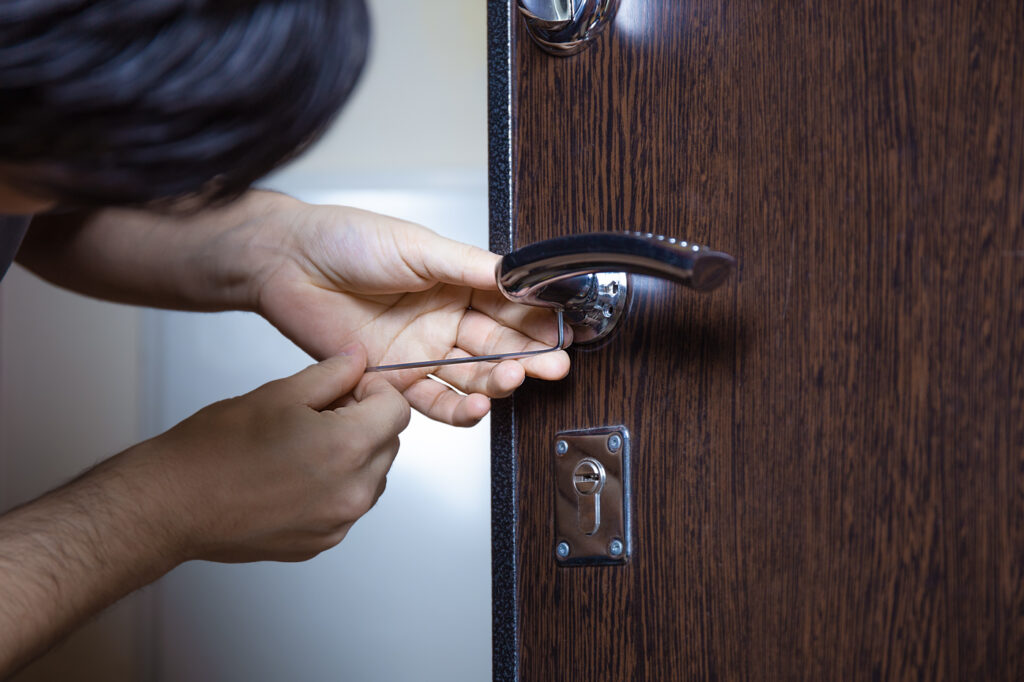

Keyless entry is changing how Canadian apartment buildings handle apartment entry, tenant access, and everyday apartment security. This guide explains how keyless building systems work, what features matter most, and how owners and residents can choose safer, smarter building access solutions for a modern residential building.
Why Keyless Entry Matters for Canadian Apartment Buildings
Keyless entry is no longer just a nice extra in a modern apartment complex. For many Canadian property owners, condo boards, and residents, it has become a practical way to improve building access, simplify tenant access, and strengthen apartment security. In a multi-tenant access setting, traditional keys can create daily problems. Keys get lost, copied, or passed around, and replacing hardware after a security issue can become expensive very quickly.
A keyless building system gives residents and approved visitors a safer and more convenient way to enter a residential building. Depending on the setup, this may include fobs, PIN codes, mobile credentials, intercoms, or cloud-based electronic entry systems. These options can reduce lockouts, improve control over who enters shared spaces, and help building managers respond faster when a credential needs to be removed.
For Canadian buildings, this matters even more in places where weather, high traffic, and seasonal maintenance affect door hardware. Entry systems need to work reliably in cold winters, wet springs, and busy urban environments. A properly installed solution by a trusted building locksmith can help make sure the system fits the needs of the property instead of creating more headaches.
Common Problems with Traditional Apartment Entry
Older locks still work in many buildings, but they often fall short in larger properties. In a busy apartment complex, one lost key can create a chain of problems. Managers may need to rekey a unit, a common entrance, or even multiple doors if master key systems are involved. That means more cost, more disruption, and more risk in the meantime.
Traditional apartment entry also makes it harder to track access. If a key is copied without permission, there may be no easy way to know. In contrast, many electronic entry systems allow managers to assign, monitor, and remove credentials without replacing all the hardware. This is especially useful in multi-tenant access environments where people move in and out regularly.
Why Residents Prefer Keyless Building Systems
From a resident’s point of view, convenience is a major benefit. Many people prefer using a phone, fob, or code instead of carrying multiple keys for the front door, side entrance, mailbox area, and amenities. Keyless building technology can also support temporary access for dog walkers, cleaners, delivery services, and visiting family members without giving out permanent keys.
For families, seniors, and busy professionals, better tenant access can make daily life easier. It also adds peace of mind. If a credential is lost, it can often be disabled quickly. That is far simpler than wondering who may still have a copied key.
How Electronic Entry Systems Work in a Residential Building
An electronic entry system controls access through digital credentials rather than only mechanical keys. In an apartment complex, this usually starts at the main apartment entry door, but it can also be used for parking garages, storage rooms, bike rooms, and common areas. The goal is to create secure, flexible building access while keeping the system easy for residents to use.
Popular Types of Keyless Entry for Apartment Security
Fob and Card Access
Fob systems are common because they are easy to manage and simple for residents to use. A tenant taps a fob or card at the reader, and the door unlocks if access is approved. This works well in multi-tenant access settings where many people need reliable entry every day.
PIN Code Entry
Some buildings use keypad systems at the main entrance or service areas. These can be helpful for staff, trades, or temporary visitors. However, codes should be changed regularly, especially if many people know them. A professional locksmith for apartment security can advise on whether keypad access is suitable for your building.
Mobile and App-Based Access
Newer building technology allows residents to unlock doors using a smartphone app or digital credential. This can be very convenient, especially in newer urban developments across Canada. Some systems also let managers grant remote access to contractors or delivery personnel for a limited time.
Intercom and Video Entry
Video intercoms add another layer of apartment security by letting residents see and speak with visitors before unlocking the main apartment entry. This is especially useful in larger residential building settings where front door traffic is high.
Features That Matter Most in Canadian Buildings
Not every system is right for every property. When choosing electronic entry for a Canadian apartment complex, look at durability, weather resistance, and ease of management. Exterior readers and door hardware should be rated for Canadian conditions, especially in provinces with freezing temperatures and heavy snow.
It is also important to think about fire safety and life safety requirements. Entry systems must work with local codes and allow safe egress during emergencies. In many cases, building owners should work with a qualified technician and an experienced professional locksmith services team to make sure the system is installed properly and meets local standards.
Audit trails are another useful feature. These logs can show when certain doors were opened and by which credential. While this does not replace cameras or on-site management, it can support better oversight of building access in shared spaces.
Choosing the Right Keyless Solution for an Apartment Complex
The best system depends on the size, age, and layout of the residential building. A small walk-up may only need secure apartment entry at the front door and rear entrance. A larger apartment complex may need layered building access for lobbies, elevators, garages, and amenities.
Questions Property Owners and Managers Should Ask
Before upgrading to a keyless building system, ask a few practical questions:
- How many entry points need control?
- Will residents use fobs, cards, PINs, or mobile access?
- How often do tenants move in and out?
- Do you need visitor management or delivery access?
- Can the hardware handle Canadian weather and heavy daily use?
- Does the system support future upgrades in building technology?
These questions help narrow down the right option and avoid overspending on features that are not needed. They also make it easier to compare products and get clear advice from a qualified building locksmith.
Practical Tips for Better Tenant Access and Security
If you are planning an upgrade, start with the main apartment entry points where traffic is highest. Make sure door closers, frames, strike plates, and hinges are in good condition before adding new electronic entry hardware. Even the best access control system will struggle if the door itself is damaged or misaligned.
It is also smart to create clear rules for issuing credentials. Residents should know how to report lost fobs, how visitor access works, and what to do if they are locked out. Good policies support better apartment security just as much as good hardware does.
For older buildings, a phased approach may be the most practical. You can begin with the front entrance and expand later to side doors, common rooms, or storage areas. If you need help planning a secure upgrade, a local team offering expert locksmith support for building access can assess the property and recommend the right path forward.
Across Canada, more owners are investing in keyless building systems because they offer a better balance of convenience, control, and safety. When the right system is chosen and installed properly, it can improve daily life for residents while making apartment security easier to manage.
Installation, Maintenance, and Long-Term Performance
Choosing the right keyless building system is only part of the job. To get reliable apartment entry and strong apartment security, the system must be installed correctly and maintained over time. In a Canadian residential building, doors face heavy use, changing temperatures, moisture, and salt exposure. Those conditions can affect readers, strikes, hinges, closers, and power supplies if the setup is not planned properly.
Why Professional Installation Matters
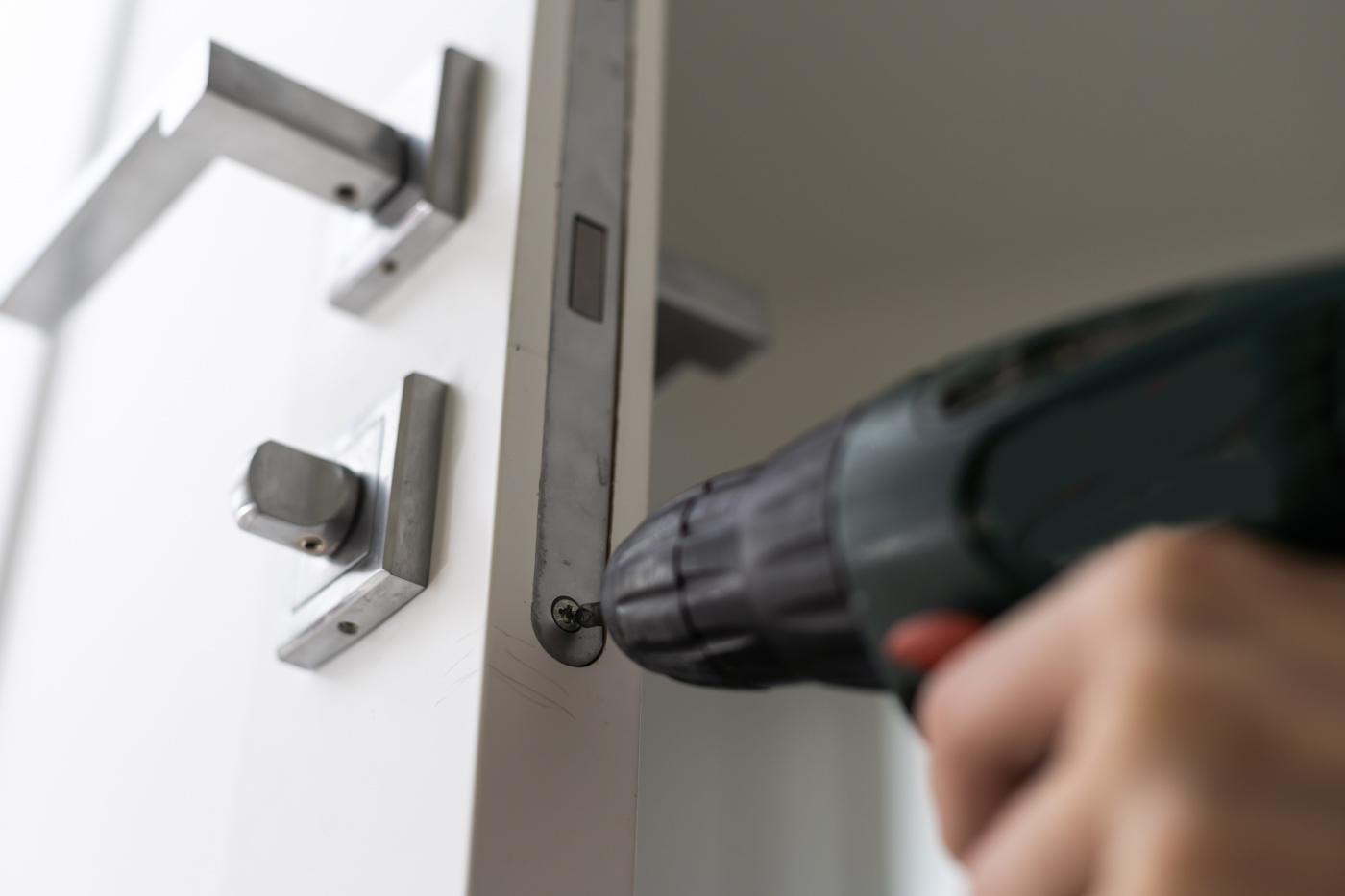
Electronic entry hardware needs to work with the door, frame, and existing locking system. If the door does not close properly or the frame is out of alignment, even a high-quality system can fail. That is why many owners work with a qualified building locksmith before upgrading building access.
A proper installation usually includes checking door condition, wiring paths, power needs, emergency egress, and code compliance. In many Canadian apartment complex properties, the main concern is not just convenience but life safety. Entrance systems must unlock or release correctly when required, while still protecting the building from unauthorized entry. A skilled technician can also help make sure the electronic entry system works smoothly with intercoms, buzzer panels, and existing amenity doors.
Maintenance Tips for a Keyless Building
Like any building technology, keyless entry needs regular attention. Small issues can turn into bigger access problems if they are ignored. Property managers and condo boards should schedule routine inspections, especially for high-traffic apartment entry points.
What to Check Regularly
- Door alignment and latch operation
- Reader response time and credential recognition
- Battery backup condition, if the system uses one
- Weather seals around exterior doors
- Intercom audio and video quality
- Access permissions for former tenants or contractors
It is also wise to review audit logs and user lists on a regular basis. In a multi-tenant access environment, people move, staff changes happen, and service providers come and go. Removing old credentials is one of the easiest ways to improve apartment security without major new costs.
If a building starts seeing repeated lockouts, delayed unlocking, or door alarms, it may be time to call for professional locksmith services. Fast service can prevent small hardware issues from affecting the whole residential building.
Planning for Power Outages and Canadian Winters
Canadian property owners should always ask how the system performs during a power outage. Most electronic entry systems have a backup plan, such as battery support, fail-safe or fail-secure hardware, or emergency override options. The right setup depends on the specific door and local code requirements.
Winter reliability is just as important. Snow, freezing rain, and extreme cold can affect door movement and hardware performance. Exterior apartment entry doors should have commercial-grade components that are designed for Canadian weather. Readers and keypads should also be placed where they are protected from direct moisture when possible. A trusted team offering locksmith services for building access can help property owners choose hardware that lasts longer in local conditions.
Best Practices for Managing Tenant Access and Visitor Entry
Even the best electronic entry system needs clear rules. Good management helps a keyless building stay secure and easy to use. In an apartment complex, this means setting up practical policies for residents, guests, staff, and service providers.
Creating a Clear Access Policy
Every residential building should have a simple access policy that explains who gets credentials, how they are issued, and what happens when they are lost. This helps reduce confusion and protects apartment security.
A strong policy often includes:
- One assigned credential per resident, with tracking in the system
- Immediate reporting of lost fobs, cards, or phones
- Time-limited visitor or contractor access
- Rules for shared amenities and service entrances
- Move-in and move-out procedures for removing tenant access
These steps are especially useful in larger multi-tenant access properties where many people use the same entrances every day. They also help managers avoid common problems like unreturned fobs or old access codes remaining active for too long.
Balancing Convenience and Apartment Security
It is easy to focus only on convenience, but secure building access needs balance. For example, giving one shared code to all residents may seem simple, but it can create risk if that code spreads beyond the building. On the other hand, using individual credentials allows better control and easier removal when needed.
Video intercoms can also improve apartment security without making life harder for residents. In a busy apartment complex, they give tenants a quick way to confirm who is at the door before allowing entry. This can help reduce tailgating, unwanted solicitors, and unauthorized visitors entering behind someone else.
Supporting Deliveries, Trades, and Temporary Access
Modern building technology should reflect how people actually live. Many Canadian residents receive regular deliveries, hire cleaners, or need access for dog walkers, caregivers, and repair technicians. A keyless building system can make this easier by allowing temporary or scheduled access rather than handing out physical keys.
For example, a property manager may grant a contractor entry to a service room only during work hours. A resident may allow a family member into the lobby through an app or intercom. These features improve tenant access while keeping better control over the rest of the building.
If your current setup does not support these daily needs, it may be worth speaking with an expert locksmith for apartment security about an upgrade path that fits your property and budget.
When to Upgrade and What to Expect Next
Not every building needs a full replacement right away. In many cases, a gradual upgrade makes more sense. If the front entrance is the main weak point, start there. If the lobby is secure but package rooms and side doors are not, focus on those areas next. A phased plan can improve building access without causing major disruption for residents.
Signs Your Apartment Entry System Needs an Upgrade
- Frequent lost or copied keys
- Repeated lockouts at common entrances
- Poor control over former tenant access
- Old intercoms that no longer work reliably
- Exterior doors that do not support modern electronic entry
- Growing concerns about apartment security from residents
Upgrading can also add value to the property. In many Canadian cities, renters and buyers expect better building technology in a modern residential building. A secure, easy-to-use apartment entry system can improve resident satisfaction and support smoother building operations.
Final Thoughts
Keyless entry gives Canadian apartment buildings a smarter way to manage apartment entry, tenant access, and daily apartment security. The right system can improve convenience for residents, give managers better control over building access, and reduce the risks that come with lost or copied keys. From small walk-ups to large apartment complex properties, the best results come from choosing durable hardware, setting clear policies, and working with experienced professionals.
If you are planning to upgrade a keyless building system or improve electronic entry in your residential building, Fortify Services can help. Their team understands Canadian conditions, multi-tenant access needs, and the practical details that matter most. Contact Fortify Services today to discuss a secure, reliable solution tailored to your building.