
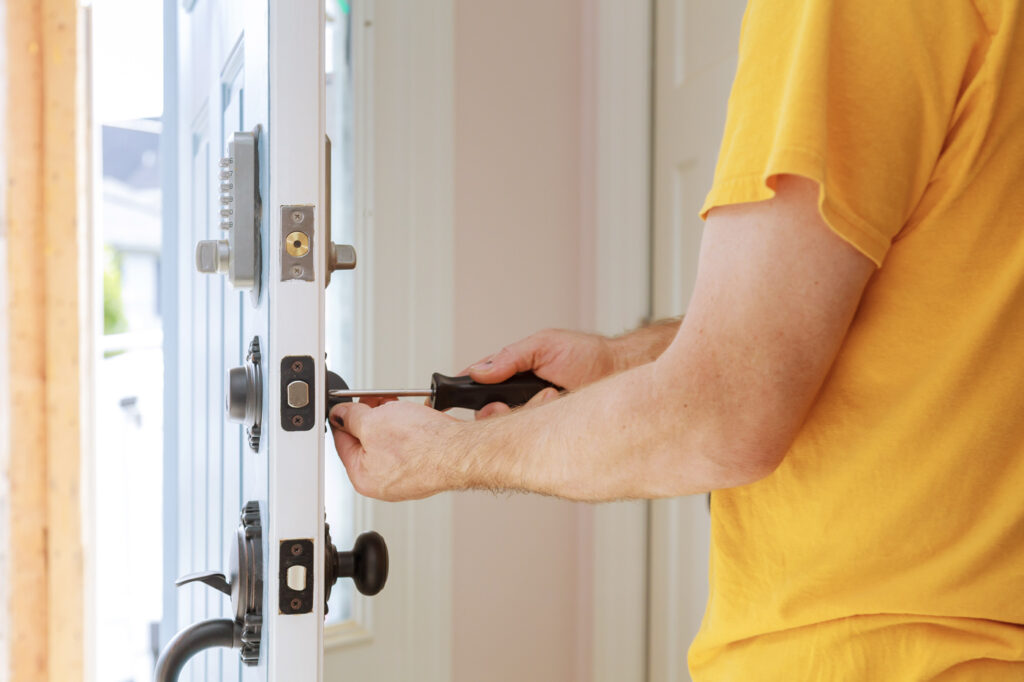

Choosing the right locks can make a home safer, easier to use, and more welcoming for people with mobility needs. This guide explains accessibility locks, barrier-free access, Canadian compliance considerations, and practical lock installation tips for homeowners who want secure, inclusive locks that support daily independence.
Why Lock Installations Matter for Disability Accessibility in Canada
For many Canadian homeowners, a lock is simply a security feature. But for people living with mobility challenges, arthritis, limited grip strength, vision loss, or other special needs, the right lock can also support independence. Thoughtful lock installations help create disability access that is safer, simpler, and more comfortable to use every day.
Accessible security is an important part of barrier-free access. If a door is technically wide enough for a wheelchair accessible entry but the lock is too hard to turn, too high to reach, or too complicated to operate, the entrance may still be difficult to use. This is why accessibility locks and adaptive locks matter. They reduce obstacles while still protecting the home.
Across Canada, homeowners are paying more attention to universal design. This approach aims to make spaces usable for as many people as possible, without the need for major changes later. In practical terms, that can mean choosing inclusive locks with easier handles, smoother operation, and better placement on entry doors, interior doors, garages, and side entrances.
If you are planning upgrades, it helps to speak with a professional early. Professional locksmith services can help you compare mobility locks, keyless options, and hardware layouts that support both security and accessibility compliance.
What makes a lock more accessible?
An accessible lock is designed or installed in a way that makes it easier for more people to use. This can include:
- Lever-style hardware instead of round knobs
- Locks that need less twisting force
- Keyless systems with simple buttons or touchpads
- Smart locks with remote control features
- Lower or better-positioned hardware for easier reach
- Clear visual indicators for locked and unlocked positions
These features can benefit seniors, wheelchair users, people recovering from injury, and families supporting loved ones with special needs. They also make life easier for parents carrying groceries, children learning independence, and anyone who wants a more user-friendly home.
Accessibility and security should work together
Some homeowners worry that easier-to-use locks may mean weaker protection. In reality, modern accessible security products can offer both convenience and strong defence. Many accessibility locks are available in durable commercial-grade or residential high-security models. The key is choosing the right product for the door, the user, and the level of risk.
For example, a front entry may need a deadbolt with an easy-turn thumbturn on the inside and a secure keyed or smart system on the outside. A side door may benefit from a keypad lock that removes the need to handle keys in cold Canadian weather. An interior barrier-free access setup may focus more on privacy, reach, and smooth operation than on forced-entry resistance.
Canadian standards and home accessibility considerations
In Canada, accessibility requirements can vary by province, municipality, and building type. Commercial and public buildings usually follow stricter rules, but homeowners can still use these standards as a helpful guide. Accessibility compliance often looks at reach ranges, ease of operation, and clear floor space near the door.
Even in a private home, these principles are useful. A lock should be easy to reach from a seated position, simple to operate with one hand, and not require tight grasping or strong twisting. This is especially important in homes designed for ageing in place or multigenerational living.
If you need expert help reviewing your current setup, expert locksmith support can identify problem areas and recommend inclusive locks that suit Canadian homes, condos, and secondary suites.
Best Types of Accessibility Locks for Barrier-Free Homes
Not every lock works well for every person. The best choice depends on the user’s range of motion, hand strength, vision, memory, and daily routine. Below are some of the most practical options for disability access in Canadian homes.
Lever handle locks for easier daily use
Lever handles are one of the most common universal design upgrades. Unlike round knobs, they can often be opened with a hand, elbow, or closed fist. This makes them a smart choice for people with arthritis, reduced dexterity, or mobility devices.
For interior doors, lever locks can improve movement between bedrooms, bathrooms, and common areas. For exterior doors, they can be paired with a deadbolt or smart lock for added protection. Homeowners should look for sturdy hardware that resists wear during winter temperature swings and frequent use.
Tip for DIY homeowners
Before replacing a knob with a lever, measure the backset, door thickness, and hole size. Also check whether the new handle will interfere with storm doors, trim, or nearby walls. If alignment is poor, the lock may stick and become harder to use over time.
Keyless and smart locks for mobility locks upgrades
Keyless systems are among the most useful adaptive locks for people who find keys difficult to manage. A keypad, touchscreen, fob, or app-based entry system can remove the need to grip, insert, and turn a key. This can be especially helpful for wheelchair accessible entrances where reaching the cylinder may be awkward.
Smart locks can also support caregivers and family members. Temporary codes can be assigned for support workers, nurses, or relatives, which reduces the need to copy keys. Some models include auto-locking, voice assistant compatibility, and remote unlocking.
That said, homeowners should choose products carefully. In Canada, batteries must perform well in colder climates, and outdoor hardware should be rated for local weather conditions. A backup method of entry is also important in case of power loss, dead batteries, or internet issues.
For homeowners comparing secure smart options, certified locksmith services can help match the right lock to your door material, frame condition, and accessibility goals.
Deadbolts with accessible thumbturns
Deadbolts remain a strong choice for exterior security, but the inside thumbturn design matters. Some traditional deadbolts require a tight pinch and hard twist, which can be difficult for people with hand pain or reduced strength. Newer models offer larger, easier-turn thumbturns that improve accessible security without sacrificing protection.
These locks are often a good middle-ground option for homeowners who want better disability access but are not ready for a full smart lock system. They can also be paired with lever handles for a more complete barrier-free access setup.
Magnetic and low-force latch systems
For some interior spaces, magnetic latches and low-force locking systems can reduce effort even more. These are useful in areas where privacy is needed but high security is not the main concern. They are often used in bedrooms, washrooms, and connecting doors in accessible renovations.
Because these systems vary widely, installation quality is important. The latch, strike, and frame must line up properly, or the door may not close smoothly. This is one reason many homeowners prefer to contact a local locksmith professional before buying hardware that may not suit the existing door.
How to Plan a Lock Installation for Inclusive Access
A successful installation starts with understanding how the door is used every day. Think about who uses the entrance, what physical challenges they face, and whether the current lock creates stress or delay. Small details can have a big impact on comfort and independence.
Questions to ask before choosing inclusive locks
- Can the user operate the lock with one hand?
- Is the hardware easy to reach from a seated position?
- Does the lock require tight grasping, pinching, or twisting?
- Is the entry clear enough for wheelchair accessible movement?
- Will the lock still work well in snow, rain, and freezing temperatures?
- Does the home need caregiver access or temporary entry codes?
These questions help narrow down the best mobility locks for your home. In many cases, the right answer is not just a new lock, but a combination of better hardware, correct placement, and proper door adjustment. A sticking door, swollen frame, or misaligned strike plate can make even the best accessibility locks hard to use.
Practical advice for Canadian homeowners
If you are renovating for special needs or planning ahead for ageing in place, start with the main entry door. This is usually the most important point for safe daily access, emergency exit, and visitor support. Next, review side doors, garage access, and key interior doors. Focus on smooth operation, clear reach, and reliable locking in all seasons.
For DIY projects, always follow manufacturer instructions and local code expectations. If the door frame is damaged, the latch does not line up, or the lock needs drilling or electrical setup, professional installation is often the safer choice.
Common Mistakes to Avoid with Accessibility Lock Installations
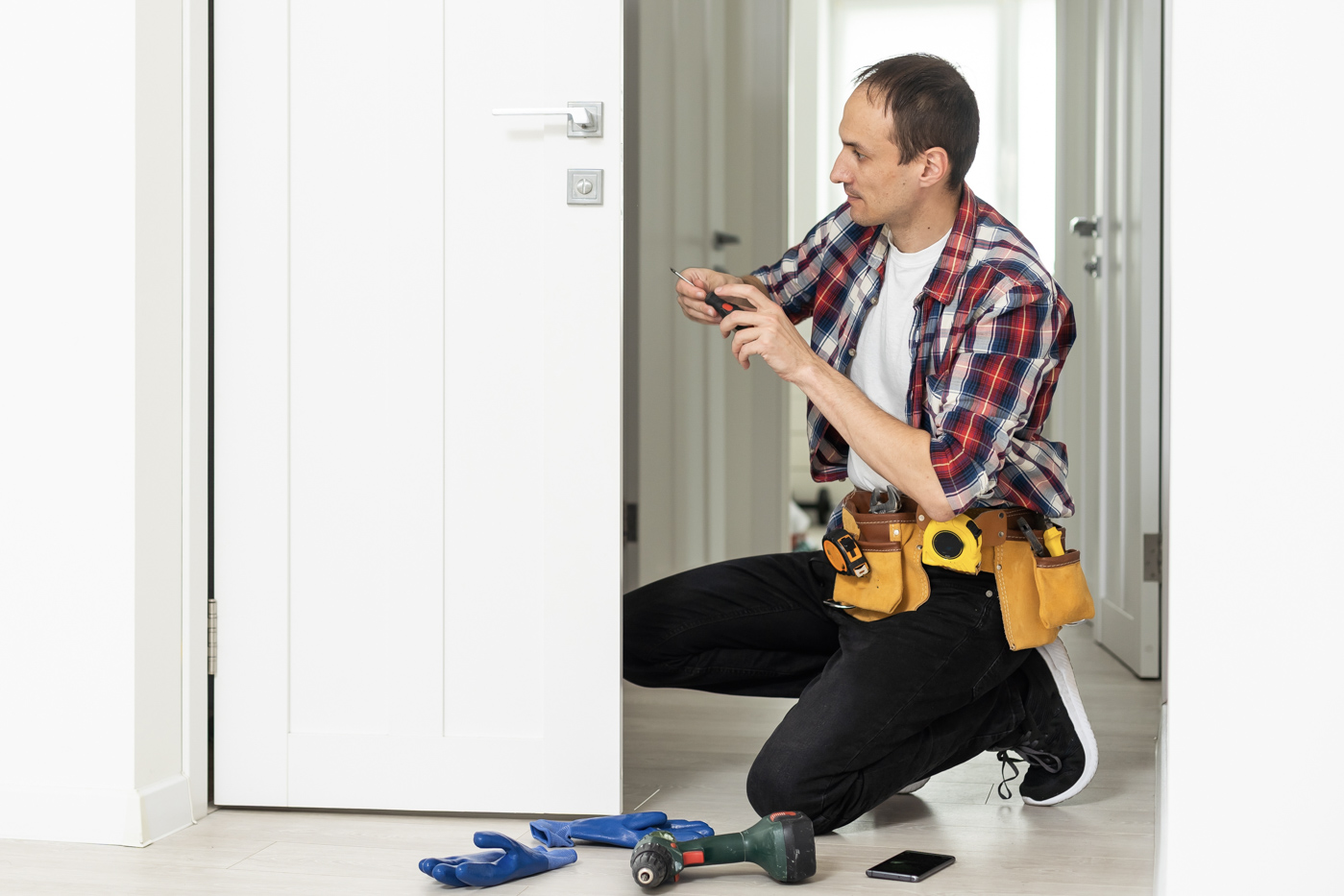
Even good-quality hardware can fail to improve disability access if it is installed the wrong way. Many accessibility problems come from small setup issues rather than the lock itself. For Canadian homeowners, avoiding these mistakes can save money and make the home safer right away.
Installing the right lock at the wrong height
A lock may be marketed as wheelchair accessible, but if it is placed too high or too far back from the approach side of the door, it can still be hard to use. Reach range matters. Homeowners should think about whether the user can comfortably approach the door, hold it steady, and operate the lock without stretching or twisting awkwardly.
This is especially important in condos, basement suites, and older homes where entry layouts are tight. If you are unsure about placement, professional locksmith services can help assess door height, frame position, and the best setup for barrier-free access.
Ignoring the door, frame, and closer
Sometimes the lock is not the real problem. A heavy door, a warped frame, or a strong door closer can make any hardware difficult to use. This is common during Canadian winters, when moisture and temperature changes cause doors to swell or shift.
For true accessible security, the full door system should work smoothly. That includes hinges, weatherstripping, strike plates, thresholds, and closers. A lever handle or adaptive lock will not feel accessible if the user still has to push hard or fight with alignment.
Simple check before replacing hardware
Open and close the door several times. If it drags, sticks, or needs a hard push to latch, fix that issue first. In many homes, improving operation is just as important as changing the lock.
Choosing technology that is too complicated
Smart locks can be excellent mobility locks, but only if they are easy to use. Some systems have confusing apps, small touchscreens, or too many steps for daily entry. For people with vision loss, memory challenges, or special needs, simple controls are often better than extra features.
Look for large buttons, clear audio or visual signals, and reliable backup entry options. A straightforward keypad or fob system may provide better inclusive locks than a more advanced product with settings that are difficult to manage. If the lock will be used by caregivers, family members, or support workers, easy code management also matters.
Professional Installation vs DIY for Accessible Security
Many homeowners can handle basic hardware swaps, but accessibility upgrades often need more planning. The goal is not only to install a working lock, but to create a setup that supports independence every day. That is where the difference between DIY and professional work becomes important.
When DIY can work well
If you are replacing an existing lever lock with a similar model on a properly functioning door, a DIY installation may be manageable. This is often true for interior privacy locks or simple deadbolt upgrades with accessible thumbturns. Careful measuring, correct tool use, and following the manufacturer’s instructions are essential.
DIY can also work when the goal is a small universal design improvement, such as changing a round knob to a lever handle. In these cases, homeowners should still test the final result from different positions, including from a seated height, to confirm the lock truly improves disability access.
When it is better to call a locksmith
Professional help is the better choice when doors are misaligned, frames are damaged, or the project involves drilling, rewiring, keypad programming, or security upgrades. It is also wise to call a pro when you need several locks to work together across the home with consistent operation.
A trained installer can recommend accessibility locks that fit the user’s needs, door material, and local conditions. This matters in Canada, where exterior locks must stand up to freezing temperatures, snow, and moisture. If you need help comparing products, expert locksmith support can make the process simpler and more accurate.
Benefits of a professional accessibility assessment
A proper assessment looks beyond the lock itself. It considers how the user approaches the door, whether the space allows wheelchair accessible movement, how much force is needed, and whether the hardware supports accessibility compliance principles. This can be especially helpful for ageing in place renovations, family homes with special needs, or properties preparing for long-term care support.
Professional installation can also reduce the risk of buying the wrong product. Some locks look ideal online but do not fit Canadian door prep, existing bore holes, or weather exposure. A locksmith can confirm fit, function, and security before the work begins.
Long-Term Maintenance for Inclusive Locks in Canadian Homes
Once new locks are installed, regular maintenance helps keep them safe and easy to use. This is important for all homes, but especially for accessible security setups where even a small increase in force can become a daily barrier.
Seasonal maintenance tips
- Check exterior locks before winter for stiffness or delayed latching
- Replace smart lock batteries on a schedule instead of waiting for failure
- Keep keypads and touch surfaces clean and dry
- Lubricate approved lock components when recommended by the manufacturer
- Inspect strike plates and screws for looseness after heavy seasonal use
Cold weather can affect battery life, moving parts, and alignment. In provinces with snow, ice, and sharp temperature swings, routine checks can prevent lockouts and reduce wear. This is particularly important for adaptive locks installed on main entries, garage doors, or side doors used for daily mobility access.
Watch for changes in the user’s needs
Accessibility is not always static. A lock that works well today may become harder to use later due to arthritis, injury, vision changes, or a new mobility device. Reviewing hardware every year can help homeowners stay ahead of these changes.
It may be time to upgrade if a resident starts avoiding a certain entrance, struggles to grip the thumbturn, forgets codes, or needs more caregiver support. In many cases, small changes such as repositioning hardware or switching to more inclusive locks can make a big difference.
Planning future-ready accessible entrances
Universal design works best when homeowners think ahead. If you are already renovating an entry, consider whether the door could later support a smart lock, automatic opener, better lighting, or a lower-threshold approach. A future-ready setup can reduce costs later and keep the home comfortable for longer.
For guidance on upgrades that balance security and ease of use, certified locksmith services can help you build a practical plan for your home. The best solutions are usually the ones that feel natural to use while still protecting the people inside.
Lock installations for disability access are about more than convenience. They support dignity, independence, and safer daily living. By choosing accessibility locks that are easy to reach, simple to operate, and strong enough for Canadian conditions, homeowners can create true barrier-free access without giving up security. Whether you need lever hardware, keyless entry, mobility locks, or a full accessible security review, Fortify Services can help. To find the right solution for your home, connect with trusted locksmith services from Fortify Services and get expert advice tailored to your accessibility goals.