
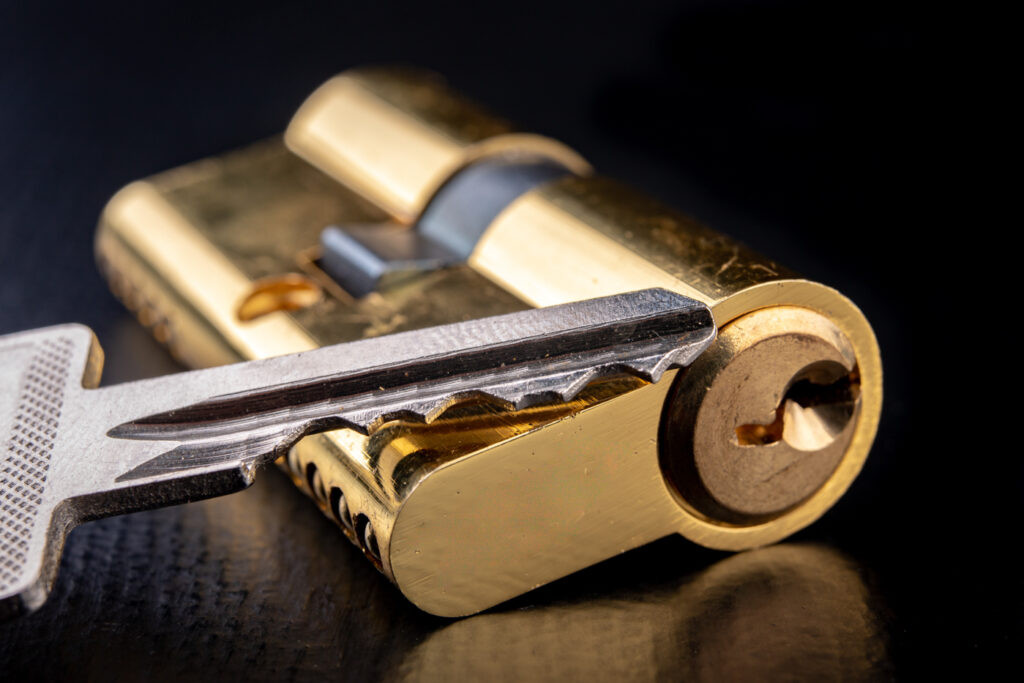

Learn everything Canadian homeowners need to know about lock security grades, including detailed breakdowns of Canadian standards, lock certifications, and how lock ratings impact your home’s safety. Get expert advice and practical tips for choosing the right lock for your needs.
Understanding Lock Security Grades in Canada
When it comes to home and business security, your locks are your first line of defence. But not all locks are created equal. In Canada, lock quality is measured using specific lock grades and security standards that help determine how well a lock can withstand forced entry, wear, and environmental damage. Whether you’re a homeowner looking to upgrade your front door lock or a business owner securing your property, understanding these Canadian standards is essential.
This guide will walk you through the key concepts of lock certification, security grading, and the different security levels associated with residential and commercial locks. We’ll help you make informed decisions that match your security needs and comply with Canadian building codes.
What Are Lock Grades and Why Do They Matter?
Lock grades are part of a classification system that rates locks based on their performance, durability, and resistance to attacks. These grades help consumers identify the right lock for their application—be it residential, commercial, or high-security use. In Canada, lock grading often follows standards set by organizations like the Canadian Standards Association (CSA) and the American National Standards Institute (ANSI)
Lock grades are determined through rigorous lock testing protocols. These tests measure aspects such as: These evaluations help define how a lock will perform over time and under pressure. For Canadians dealing with harsh winters and potential security threats, choosing the right grade is crucial. The most commonly referenced lock grading system in Canada is the ANSI/BHMA standard, which includes three main grades: This is the highest level of lock quality. Grade 1 locks are built for commercial properties but are also ideal for homes requiring advanced security. These locks can withstand over 1 million cycles and significant force attempts. Grade 2 is commonly used in residential settings and low-traffic commercial areas. These locks offer a good balance of security and affordability, making them a popular choice for Canadian homeowners. Grade 3 locks provide minimum acceptable security and are often found in builder-grade homes. While affordable, they may not offer the durability or resistance needed for long-term protection. For professional locksmith services tailored to your needs, contact our certified technicians today and get expert guidance on choosing the right grade of lock. In Canada, locks must meet specific national standards to ensure they are suitable for our unique environmental and security conditions. These standards are developed by reputable organizations such as the Canadian Standards Association (CSA) and often align with North American benchmarks like ANSI and BHMA (Builders Hardware Manufacturers Association). The CSA Group provides testing and certification for various hardware products, including locks. For a lock to be CSA-certified, it must pass inspections for: Additionally, building codes across provinces like Ontario, British Columbia, and Alberta may mandate that certain commercial locks meet CSA or ANSI standards. Always check with your local municipality if you’re unsure about compliance requirements. BHMA (Builders Hardware Manufacturers Association) provides additional lock certification and ratings for specific attributes beyond general grading. These attributes may include: Locks rated by BHMA will typically carry a label such as “ANSI/BHMA A156.2 Grade 1.” Understanding these labels can help homeowners choose hardware that fits both aesthetic and security requirements. Locks used on fire-rated doors in Canada must also comply with ULC (Underwriters Laboratories of Canada) standards. These ensure that the lock will not compromise the fire-resistance of the door assembly. This is particularly important for multi-unit residential buildings and commercial properties. The type of property you own will influence the level of lock security grading you need. While it might be tempting to go with the most affordable option, it’s important to match your lock’s security level to the risk and usage frequency of the door in question. Most Canadian homes can benefit from locks that meet or exceed Grade 2 standards. These locks offer solid protection against forced entry and wear, with better resistance to environmental factors like freezing temperatures and moisture. Popular residential options include: For homeowners looking to enhance their security without replacing entire door systems, investing in high-quality deadbolts and strike plates is a smart move. You can also reach out to our locksmith experts for recommendations tailored to your location and property type. Commercial properties often require Grade 1 hardware due to higher traffic and greater security risks. Businesses may also be subject to insurance requirements that dictate minimum lock grades. Other considerations include: If you need expert locksmith services for your commercial building, Fortify Services offers professional solutions across Canada that meet or exceed industry standards. Lock testing is a critical part of the certification and grading process. These tests simulate real-world conditions and attack scenarios to verify that locks perform as expected under stress. Mechanical testing evaluates a lock’s ability to function over time. This includes endurance tests where locks are opened and closed thousands of times to assess wear resistance. Grade 1 locks, for example, must withstand over 1 million cycles without failure. This type of testing assesses a lock’s resistance to brute-force attacks like kicking, prying, and twisting. Locks are tested using hydraulic machinery or manual force to ensure they can handle real-life break-in attempts. In Canada, locks face unique weather challenges, from freezing temperatures in the Prairies to salty air along the coasts. Environmental testing ensures locks resist rust, corrosion, and thermal expansion or contraction. Advanced testing methods are used to determine how easily a lock can be picked or bumped using common tools. Higher-grade locks include features like mushroom pins or sidebar mechanisms that make these techniques much more difficult. If you’re unsure whether your current locks meet Canadian security standards, contact our certified technicians for a full security assessment and lock upgrade recommendations. Now that we’ve covered the basics of lock grades, security grading, and Canadian standards, let’s talk about how to choose the best lock for your home or business. When in doubt, Fortify Services is here to help with expert locksmith advice and top-rated lock installation across Canada. Beyond basic lock grades and certifications, many modern locks come with specialized features that enhance their performance and increase their security levels. These advanced features are especially important for Canadian homeowners who want peace of mind, knowing their property is well protected in various conditions. Lock picking and bumping are two of the most common techniques used by intruders to bypass standard locks. To defend against these threats, many high-grade locks now include anti-pick pins, sidebar mechanisms, and bump-resistant keyways. Homeowners in busy urban areas like Toronto or Vancouver may want to prioritise these features when selecting a new lock. Our professional locksmith services can help you identify locks with these protections for your home. High-security locks often include hardened steel inserts and reinforced strike plates to prevent drilling and prying. These features are critical in deterring forced entry, especially for exterior doors or garage entries. Lower-grade locks may use cheaper alloys that can be easily broken, while high-grade locks often include: Investing in a lock with these materials ensures it will not only last longer but also withstand more aggressive break-in attempts. Smart locks are becoming increasingly popular in Canadian homes. But not all smart locks are created equal. Look for smart locks that have: Smart locks with strong mechanical components and certified security features can be an excellent choice for homeowners who value convenience without sacrificing safety. If you’re unsure which model to choose, our certified technicians can recommend the best smart lock options for your needs. Many homeowners make critical errors during the lock selection or installation process, which can undermine even the most secure locks. Avoiding these mistakes can significantly improve your home’s safety and lock performance. One of the most frequent mistakes is selecting a lock that isn’t rated for the intended use. For example, using a Grade 3 lock on a busy front entrance or garage door can lead to premature wear and reduced security. Always choose at least a Grade 2 lock for exterior residential doors and a Grade 1 lock for commercial or high-traffic areas. Remember, your lock should match the risk level and usage frequency of the door. Canadian weather varies dramatically from coast to coast. Locks installed in outdoor areas, especially in provinces like Alberta or Newfoundland, must be able to withstand snow, ice, and moisture. Look for locks with protective finishes (e.g., PVD coatings) and corrosion resistance ratings. Stainless steel or brass components generally fare better in harsh climates. Even the best lock won’t perform properly if it’s not installed correctly. Misaligned strike plates, loose screws, or improper fit can weaken the lock’s resistance to force. If you’re not confident in your DIY skills, it’s a good idea to rely on professional locksmith services to ensure proper installation that meets Canadian standards. Many homeowners upgrade their locks but forget to reinforce the strike plate—the metal piece attached to the door frame. This component plays a key role in resisting kick-ins and other forced entry methods. Use a heavy-duty strike plate with 3-inch screws that anchor into the wall stud for maximum strength. To maintain your lock’s performance and keep its security grading intact, regular maintenance is essential. A well-maintained lock will last longer, operate more smoothly, and provide more reliable protection. Dirt, dust, and moisture can accumulate inside locks, especially in outdoor settings. Clean your locks with a soft cloth and use a dry lubricant like graphite or Teflon-based sprays. Avoid using oil-based lubricants, which can attract dirt and gum up the mechanism. Check your locks regularly for signs of wear, such as difficulty turning the key, rust, or loose handles. These issues may indicate the need for repair or replacement. Paying attention to early warning signs can prevent lockouts or failures at inconvenient times. If you’ve recently moved into a new home or lost a key, rekeying the lock is a cost-effective solution. This process changes the internal pins of the lock so the old key no longer works but retains the existing hardware. However, if your lock is outdated, damaged, or doesn’t meet current security standards, it’s better to replace it with a certified, higher-rated model. Knowing when to upgrade your locks can make all the difference in your home security. Here are some situations where a lock upgrade is not just recommended but necessary. If your home has been the target of a break-in or even an attempted one, it’s essential to reassess your current lock quality. Intruders often return to properties where security remains unchanged. New homeowners should always replace or rekey existing locks. You never know who might still have a copy of the keys. During renovations, upgrading to certified locks ensures your new doors and hardware meet modern Canadian standards. Older locks may not meet current lock certification requirements or may have deteriorated due to age and exposure. These locks are easier to pick, break, or malfunction during emergencies. Some Canadian insurance providers require Grade 1 or Grade 2 locks for full coverage. Failing to meet these requirements could impact your claim in the event of a burglary. Always check your policy and upgrade your locks if needed. While some homeowners prefer the DIY route, working with a certified locksmith offers many benefits, especially when dealing with lock security grades and compliance with Canadian standards. If you need expert locksmith support across Canada, Fortify Services offers professional locksmith services that ensure your home is protected with certified, high-quality locks. Whether you’re locked out, need an emergency lock replacement, or want a full home security upgrade, mobile locksmiths bring convenience to your doorstep. Fortify Services provides mobile solutions tailored to both residential and commercial properties, ensuring fast, efficient service no matter where you are in Canada. Choosing the right lock involves more than picking what looks good at the hardware store. Understanding lock grades, security grading, and Canadian standards empowers you to make informed decisions that directly impact your home’s safety and reliability. By considering factors like weather resistance, usage frequency, material quality, and certified ratings, Canadian homeowners can protect their property from both environmental damage and potential intrusions. And when in doubt, working with our certified technicians ensures that every lock on your property meets or exceeds the highest security standards. Whether you’re upgrading old hardware, installing new locks after a move, or enhancing your doors with smart technology, Fortify Services is your trusted partner. With a deep understanding of lock certification, lock testing, and real-world performance, we help Canadians secure what matters most. Ready to upgrade your locks? Contact Fortify Services today for professional locksmith services across Canada. Our team is here to assess your needs, recommend certified products, and ensure everything is installed to perfection—so you can enjoy peace of mind, year-round.How Lock Grades Are Determined
ANSI/BHMA Grading System Explained
Grade 1 – Commercial and High-Security Use
Grade 2 – Residential and Light Commercial Use
Grade 3 – Basic Residential Use
Canadian Standards for Lock Certification
CSA Certification and Building Code Requirements
BHMA Ratings and What They Mean
UL and ULC Ratings for Fire-Rated Doors
Residential vs. Commercial Lock Standards
Residential Standards: What Homeowners Should Know
Commercial Standards: Higher Security Requirements
How Lock Testing Ensures Performance and Safety
Mechanical Testing
Forced Entry Resistance
Environmental Testing
Pick and Bump Testing
Choosing the Right Lock for Your Needs
Factors to Consider
Lock Types and Their Applications
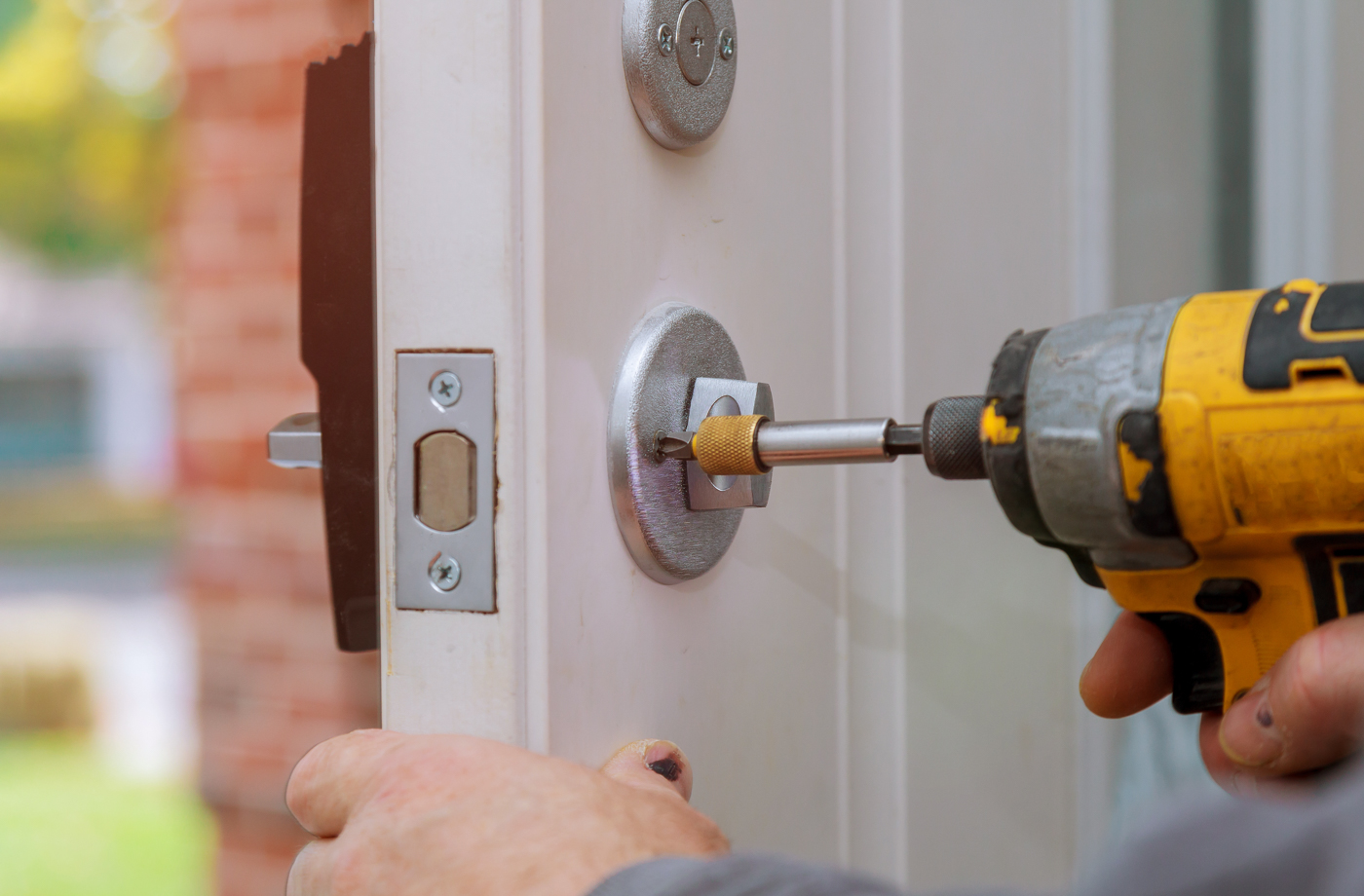
Advanced Lock Features That Impact Security Ratings
Anti-Pick and Anti-Bump Technology
Drill and Pry Resistance
Key Materials and Construction
Smart Lock Capabilities with Secure Certification
Common Mistakes When Choosing Locks
Choosing the Wrong Grade for the Application
Tip:
Ignoring Weather Resistance
Tip:
Poor Installation Practices
Overlooking the Strike Plate
Tip:
Lock Maintenance and Longevity
Routine Cleaning and Lubrication
Inspect for Wear and Tear
Rekeying vs. Replacing
When to Upgrade Your Locks
After a Break-In or Attempted Entry
Buying or Renovating a Home
Outdated or Worn Locks
Insurance Requirements
Working with a Professional Locksmith
Benefits of Hiring a Certified Technician
Mobile Locksmith Services
Conclusion: Prioritizing Security with the Right Locks
Frequently Asked Questions
How much does it cost to install a certified lock in Canada?
How long does lock testing and certification take?
What causes locks to fail in Canadian climates?
Should I choose a Grade 2 or Grade 3 lock for my home?
How often should I check or replace my locks?
Can I install high-security locks myself, or should I hire a locksmith?