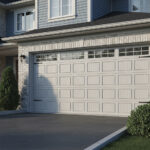



Wondering how garage door insulation can improve your home’s energy efficiency and comfort? This complete guide explains everything Canadian homeowners need to know about insulated garage doors — from understanding R-values to choosing the right insulation materials for our unique climate. Learn how to reduce garage heat loss, save on energy bills, and boost your property’s value with the right insulation solution.
Why Garage Door Insulation Matters in Canada
Facing the Canadian Climate Head-On
Canada is known for its long, cold winters and unpredictable temperature swings. Whether you’re in Ontario, Alberta, British Columbia, or the Maritimes, your garage door plays a critical role in controlling heat loss. An uninsulated or poorly insulated garage door can let in drafts, allow moisture buildup, and make your entire home less energy efficient.
More Than Just Comfort
Besides keeping your garage warmer in the winter and cooler in the summer, garage door insulation offers several benefits:
- Improved thermal performance
- Noise reduction from outside
- Increased durability of the garage door panels
- Lower heating and cooling costs
- Enhanced energy efficiency for attached garages
Investing in garage door insulation in Canada is not just about comfort — it’s also about protecting your investment and improving your home’s overall energy performance.
Understanding Garage Door Insulation: The Basics
What Is Garage Door Insulation?
Garage door insulation refers to materials added to the inside of the garage door panels to improve thermal resistance. It works by limiting the transfer of heat between the inside of your garage and the outdoors.
Common Garage Door Insulation Materials
There are a few main types of insulation used in garage doors:
- Polystyrene (Styrofoam): Lightweight and affordable. Offers good insulation, typically with lower R-values than polyurethane.
- Polyurethane: A dense foam injected between door panels. Offers higher R-values and better thermal garage door performance.
- Reflective Foil: Often used as a radiant barrier. Best for garages that experience extreme heat from the sun.
What’s an R-Value and Why Does It Matter?
The garage door R-value measures how well the door resists heat flow. The higher the R-value, the better the insulation. In Canada, where temperatures can dip well below freezing, a higher R-value is recommended — especially for attached garages.
Recommended R-Values for Canadian Homes
- R-6 to R-9: Suitable for detached garages not used often.
- R-10 to R-13: Ideal for attached garages or garages with living spaces above or beside them.
- R-14 and above: Best for garages converted into workspaces or heavily used living areas.
Insulated vs. Non-Insulated Garage Doors
Let’s break down the difference:
| Feature | Insulated Garage Doors | Non-Insulated Garage Doors |
|---|---|---|
| Temperature Control | Excellent | Poor |
| Energy Efficiency | High | Low |
| Noise Reduction | Yes | No |
| Durability | Stronger panels | Weaker, may dent easily |
| Cost | Higher upfront | Lower upfront |
Types of Insulated Garage Doors Available in Canada
Single-Layer vs. Multi-Layer Construction
Garage doors come in different construction types that affect their insulation performance:
- Single-layer: One thin metal or wood layer, no insulation.
- Double-layer: Steel + insulation (usually polystyrene).
- Triple-layer: Steel + insulation + steel. Offers best performance for thermal garage doors in Canada.
Materials That Affect Insulation Performance
Steel Garage Doors
Steel doors are the most common and can be easily insulated. Many factory-insulated doors are made of steel with a foam core.
Wood Garage Doors
Wood has natural insulating properties but is less energy efficient than insulated steel models. Best paired with added insulation layers.
Aluminium & Glass Garage Doors
While stylish, these doors tend to have lower garage door energy efficiency. Special insulated glass and thermal breaks can improve performance.
Insulation Garage Door Panels
Many modern doors use pre-insulated panels, which are more efficient than retrofitting insulation. These panels are filled with foam (usually polyurethane) and sealed to prevent air leaks.
For homeowners building new or replacing old doors, choosing insulated garage doors from the start is a smart investment.
Key Benefits of Insulated Garage Doors in Canada
1. Energy Savings and Lower Utility Bills
Heat loss through the garage can significantly affect your home’s energy use — especially if the garage is attached. Proper insulation reduces heat exchange, keeping warm air inside during winter and blocking heat in summer.
The result? Noticeable energy savings from your garage door over time.
2. Improved Comfort All Year Round
A well-insulated garage stays warmer during bitter Canadian winters and cooler during hot summer months. This is especially important if:
- You use your garage as a workshop or gym
- Your garage is connected to the main house
- You have bedrooms or living areas above the garage
3. Reduced Noise from Outside
Insulated garage doors are denser and thicker than standard ones, helping to block outside noise. If your garage faces a busy street or noisy neighbours, this is a huge plus.
4. Enhanced Durability and Strength
Insulated doors are made with multiple layers, making them more resistant to dents, warping, and wear. This means fewer garage door repairs over time.
5. Increased Home Value
Buyers appreciate energy efficiency and comfort. An insulated garage door can boost curb appeal and resale value — especially in colder provinces like Manitoba, Saskatchewan, or Quebec.
6. Better Protection for Your Belongings
Tools, paint, electronics, and other items stored in your garage can be damaged by extreme temperatures. Insulated doors offer a more stable environment, protecting your belongings from freezing or overheating.
Factors to Consider When Choosing Garage Door Insulation
Climate and Location
Canadian weather varies widely by region. In colder provinces, higher R-values are essential to combat winter chill, while in coastal areas like B.C., moisture resistance is equally important.
Garage Usage
Do you park your car inside? Use the space as a workshop? Store sensitive items? Your specific needs will determine the level of insulation required.
Type of Home
Attached garages affect the whole house’s energy efficiency. Detached garages may not need as much insulation unless used as living space.
Cost vs. Long-Term Savings
While insulated garage doors cost more upfront, they provide long-term savings through lower energy bills and fewer repairs. Consider it an investment in your home’s future.
Professional vs. DIY Insulation
Some homeowners choose to retrofit existing doors with insulation kits. While this can improve performance, it rarely matches the airtight seal and durability of factory-insulated doors. If you’re unsure, contact our certified technicians to explore the best options for your home.
How Insulation Affects Garage Door Thermal Performance
Sealing Air Leaks: The First Step
Even the best-insulated garage door won’t perform well if it has gaps around the edges. Weatherstripping and proper sealing are crucial to prevent garage door heat loss.
Thermal Breaks in Modern Garage Doors
High-end thermal garage doors in Canada often include thermal breaks — materials that stop heat from transferring between the inner and outer layers of the door. These are especially useful in steel doors.
Windows and Glass Panels
If your garage door includes windows, make sure they’re double-glazed and sealed properly to avoid drafts and heat leaks.
Garage Door Weatherization
In addition to insulation, weatherstripping the bottom, sides, and top of the door helps maintain an airtight seal. For optimal garage door weatherization, inspect and replace worn seals annually — especially after harsh Canadian winters.

DIY vs. Professional Garage Door Insulation
Should You Insulate Your Garage Door Yourself?
For Canadian homeowners looking to improve energy efficiency on a budget, DIY insulation kits can seem like a tempting option. These kits typically include rigid foam panels or rolls of reflective insulation that can be cut to fit your existing door.
While DIY insulation can help reduce garage door heat loss, it’s important to consider the limitations:
- DIY kits generally offer lower R-values than professionally insulated doors
- Installation must be precise to avoid air gaps and moisture buildup
- It may not provide the same level of noise reduction or durability
- Weatherstripping still needs to be installed and maintained
If your garage is detached and not used frequently, a DIY approach might be sufficient. However, for attached garages or those used year-round, investing in expert garage door installation ensures maximum energy efficiency and a lasting solution.
Benefits of Professional Insulation Installation
When you hire a professional garage door service like Fortify Services, you’re getting more than just insulation. You’re investing in:
- Precision installation that minimizes air leaks and boosts thermal performance
- Access to better insulation materials such as polyurethane-injected panels
- Compliance with Canadian energy standards and building codes
- Improved aesthetics with seamless panel design
- Warranty and service support for long-term peace of mind
For homeowners looking for long-term energy savings and maximum comfort, professionally installed insulated garage doors are the smarter choice.
How Insulated Garage Doors Improve Energy Efficiency
Reducing Heat Transfer Through the Garage
The garage is often one of the largest uninsulated spaces in a home. Without proper insulation, cold air can seep in during winter and hot air during summer. This not only impacts the garage but can also affect adjacent living spaces by making your HVAC system work harder.
Installing energy efficient garage doors with high R-values helps stabilize indoor temperatures and reduces the strain on your home’s heating and cooling systems.
Improved Energy Ratings for Attached Garages
Homeowners with attached garages should consider the impact of garage insulation on the entire home’s energy performance. An insulated garage door can help maintain the temperature of rooms above or next to the garage, contributing to a more energy-efficient household overall.
Across Canada, from icy Saskatchewan winters to humid Ontario summers, garage door energy efficiency is a significant factor in managing your utility bills.
Energy Savings Over Time
While insulated doors cost more upfront, they typically pay for themselves over time. According to Natural Resources Canada, improved insulation can reduce a home’s energy use by up to 10%. When applied to your garage door, this can mean savings of hundreds of dollars annually — especially in colder provinces.
Choosing doors with high-quality insulation garage door panels ensures you’re getting the best return on investment in terms of energy savings and comfort.
Seasonal Maintenance Tips for Insulated Garage Doors
Winter Preparation
Before the snow falls, inspect your garage door for any signs of wear. Replace worn weatherstripping, check for cold air drafts, and make sure your insulation panels are intact. For optimal garage door weatherization, consider sealing the floor where the door meets the concrete.
Spring Tune-Up
As the weather warms, inspect the door for moisture damage or warping. Ensure that insulated panels haven’t shifted and that the hinges and rollers are still functioning properly. Lubricate moving parts and check that the seal at the bottom of the door is still tight.
Fall Inspection
This is the ideal time to prepare for the colder months ahead. Schedule a professional check-up to ensure your garage door thermal performance is ready for winter. If you notice your garage is colder than usual, it may be time for a garage door repair or insulation upgrade.
Moisture Control Year-Round
Canadian climates often bring humidity, rain, and snow. Moisture getting into your garage can reduce the effectiveness of insulation and cause mould or rust. Make sure your door’s seals are intact, and consider using a dehumidifier in the garage during wetter months.
Choosing the Right Insulated Garage Door for Your Home
Match the Door to Your Lifestyle
Think about how you use your garage. If it’s mainly for storage or parking, a double-layer insulated steel door may be enough. If it doubles as a workshop, gym, or living space, opt for a triple-layer polyurethane-insulated door with a high R-value.
Style and Curb Appeal
Today’s insulated garage doors come in a wide range of styles, colours, and finishes — from traditional raised panels to modern glass and aluminium designs with improved thermal breaks. Choose a door that complements your home’s exterior while offering the performance you need.
Energy Ratings and Certifications
Look for garage doors that meet ENERGY STAR® standards or are certified by the Canadian Standards Association (CSA). These ratings ensure that the door has been tested and proven to perform well in Canadian climates.
Custom Options and Upgrades
Many homeowners opt for add-ons like insulated windows, smart garage door openers, and enhanced sealing systems. These upgrades can further improve garage door energy efficiency and offer greater convenience.
If you’re considering a new installation, contact our certified technicians to explore the best insulated options for your property.
Common Signs Your Garage Door Needs Better Insulation
High Energy Bills
If your heating or cooling costs have been climbing and you can’t pinpoint the cause, your garage door could be the culprit. Poorly insulated doors allow outside air to affect your home’s internal temperature.
Drafts and Cold Spots
Feel a chill coming from the garage side of your home? Touch your garage door on a cold day. If it feels freezing or you notice condensation, it’s a clear sign of inadequate insulation.
Noisy Operation or Street Sounds
Uninsulated doors transmit more vibration and noise. If your garage door rattles loudly or you can hear traffic from inside the garage, it may be time to upgrade.
Visible Damage or Wear
Cracks, dents, or warped panels can reduce your door’s ability to seal properly, leading to energy loss. Regular inspections can help catch these issues early.
When in doubt, schedule a consultation with Fortify Services to assess your current door’s performance and recommend the right insulation solution.
Cost of Insulated Garage Doors in Canada
What to Expect
Prices for insulated garage doors in Canada can vary depending on size, material, R-value, and additional features. On average:
- Basic double-layer doors: $1,000 to $1,500
- Triple-layer polyurethane doors: $1,500 to $3,000+
- Custom or premium models: $3,000 to $5,000+
Installation costs vary by region and complexity, but a professional install typically adds $300 to $600. Keep in mind that this is a long-term investment that adds value to your home and saves on energy.
Rebates and Incentives
Some provinces offer energy efficiency rebates for upgrading to energy efficient garage doors. Check with your local utility provider or government programs like Canada Greener Homes Initiative to see if you qualify.
Long-Term Value
The upfront cost of an insulated door is balanced by reduced heating and cooling bills, fewer repairs, better performance, and increased home value. It’s one of the smart upgrades Canadian homeowners can make to improve both comfort and efficiency.
Conclusion: Insulate Today for a More Comfortable Tomorrow
Garage door insulation is more than just a home upgrade — it’s a smart move for comfort, efficiency, and long-term savings. Whether you’re battling Alberta’s deep-freeze winters or Ontario’s humid summers, a well-insulated garage door helps regulate temperature, reduce energy consumption, and protect everything inside your garage.
From choosing the right materials and R-value to scheduling professional installation and regular maintenance, Fortify Services is here to help homeowners across Canada make the most of their garage doors. Whether you’re looking to improve garage door thermal performance, reduce noise, or increase your home’s resale value, we’ve got the expertise and solutions you need.
For expert advice, reliable service, and high-quality garage door solutions, trust Fortify Services — your local Canadian garage door experts.
Ready to improve your home’s energy efficiency with the right garage door insulation? Contact our certified technicians today to find the perfect insulated garage door for your home.