

Trying to decide between rekeying locks or replacing them entirely? This guide explores the pros and cons of each option, helping Canadian homeowners make the best choice for their safety, budget, and peace of mind. Learn when and why to choose each solution.
Understanding the Difference: Rekeying Locks vs Replacing Locks
When it comes to protecting your home, your locks are your first line of defence. Whether you’re a new homeowner, upgrading your security, or dealing with lost keys, you’ll likely face a crucial decision: should you rekey your locks or replace them entirely? Each option has its benefits, drawbacks, and ideal situations. Knowing the difference can help you choose the most effective solution for your needs and budget.
What Is Rekeying a Lock?
Rekeying locks involves changing the internal pins and tumblers within the lock mechanism so the old keys no longer work. A locksmith will disassemble the lock cylinder and rearrange the components to match a new key. It’s a precise process that maintains the existing hardware while rendering all previous keys useless.
When Should You Rekey?
- You’ve moved into a new home and aren’t sure who still has keys
- You’ve lost a key and want to prevent unauthorized access
- Someone you no longer trust had a copy of your key
- You want all your doors to work with one key (keyed alike)
Benefits of Rekeying
- Cost-effective: Generally cheaper than replacing the entire lock
- Quick process: Can usually be done in under an hour per lock
- Improved security: Old keys are rendered useless
- Convenience: Can unify multiple locks to one key
What Is Lock Replacement?
Lock replacement or a full lock change involves removing the entire lock mechanism and installing a new one. This could range from a standard deadbolt to a high-security smart lock, depending on your needs and budget. Replacing locks gives you a fresh start with upgraded hardware and enhanced features.
When Should You Replace a Lock?
- Your lock is old, damaged, or malfunctioning
- You want a security upgrade with better technology or a stronger lock design
- You’re renovating or changing doors and need new locksets
- Your current locks don’t meet insurance or Canadian building code standards
Benefits of Lock Replacement
- Enhanced security: Modern locks may offer better resistance to picking and bumping
- Smart features: Options include keypads, biometrics, and remote access
- Aesthetic upgrade: New locks can match your door hardware or home design
- Durability: Older locks may wear out and become unreliable over time
Cost Comparison: Rekeying vs Replacing Locks
One of the most common questions homeowners ask is, “Which is cheaper—rekeying or replacing?” The answer depends on several factors, including the number of locks, type of hardware, and whether you’re hiring a professional or attempting a DIY job.
Cost of Rekeying Locks
In most Canadian cities, professional locksmith services charge between $20 to $40 per lock to rekey, with possible minimum service fees. Rekeying is often more budget-friendly if you’re dealing with multiple locks or need a quick key change.
Factors Affecting Rekeying Costs
- Number of locks to rekey
- Lock type (deadbolt, knob, lever, etc.)
- Need for master key systems
- Emergency or after-hours service
Cost of Lock Replacement
Replacing a lock is more expensive due to the cost of new hardware. Prices vary widely depending on the brand and level of security. A basic deadbolt might cost $40–$60, while high-security or smart locks can cost $150 or more, plus installation.
Factors Affecting Replacement Costs
- Type of lock (mechanical vs smart)
- Brand and quality of the lock
- Professional installation fees
- Door modifications or reinforcements
Which Is More Cost-Effective?
For homeowners on a tight budget or those simply wanting to deny access to old keyholders, rekeying is usually the more affordable option. However, if your locks are outdated or unreliable, replacing them may offer better long-term value and improved lock maintenance.
Security Considerations for Canadian Homeowners
Security is a top concern for homeowners across Canada. Whether you live in a quiet suburb or a downtown condo, choosing the right lock options can greatly impact your peace of mind. So how do rekeying and lock replacement compare in terms of security improvement?
Security Benefits of Rekeying
Rekeying is effective if your current locks are high-quality and in good condition. It instantly renders old keys useless while maintaining the integrity of your existing hardware. It’s a solid option for new homeowners or anyone who’s concerned about unauthorized key copies floating around.
Security Benefits of Replacing Locks
Lock replacement allows for a full reset of your home’s entry system. It’s especially valuable if your existing locks are outdated, damaged, or made from substandard materials. New locks offer stronger mechanisms, tamper-proof designs, and even smart technology for remote access and monitoring.
Upgrading to Smart Locks
Smart locks are becoming increasingly popular across Canadian homes. These locks offer keyless entry, remote control via smartphone apps, and access logs. Some models even work with voice assistants and integrate with home security systems. If you’re looking for a serious security upgrade, smart locks could be the way to go.
Meeting Canadian Standards
Canada has stringent security and building code standards, especially for multi-unit residential buildings. Ensure your locks meet or exceed standards like ANSI/BHMA Grade 1 or 2 for maximum protection. Replacing your locks with certified hardware can also help with insurance compliance and premium reductions.
When to Rekey and When to Replace: Deciding the Best Option
Still unsure whether to rekey or replace? Let’s look at some common homeowner scenarios and determine the best option in each case.
You Just Moved into a New Home
One of the first things you should do as a new homeowner is secure your property. Even if the previous owners seem trustworthy, you never know who else might have a copy of the keys—neighbours, contractors, pet sitters, or even ex-tenants. In this case, rekeying locks is a fast and affordable way to secure your home without replacing all the hardware.
You Lost Your Keys
If your keys were lost or stolen, especially with identifying information, it’s wise to rekey the affected locks right away. However, if you’ve misplaced keys multiple times or your locks are worn out, it may be time for a complete lock change.
Your Locks Are Worn or Damaged
Locks that stick, jam, or turn loosely are not only frustrating—they’re also a security risk. If your lock is showing signs of wear or has been tampered with, it’s best to replace it entirely. This ensures your home stays safe and your entry points remain functional.
You Want to Use One Key for All Doors
It’s possible to rekey all your locks to match a single key, as long as they are the same brand or compatible. This offers a convenient solution for homeowners tired of juggling multiple keys. A professional lock service can assess your lock types and rekey them for simplified access.
You’re Upgrading Your Home Security
If you’re investing in a full-scale security improvement or adding smart home features, replacing your locks is likely the better option. New smart locks or high-security deadbolts offer better resistance to break-ins and advanced features that rekeying simply can’t provide.
You’re on a Tight Budget
If cost is a major factor, rekeying is typically more affordable than replacing. It’s an effective way to control access without the expenses of new hardware. But keep in mind, investing in newer locks can provide long-term value and potentially lower your insurance premiums.
You’re a Landlord or Property Manager
For rental units, rekeying between tenants is a smart practice. It’s fast, cost-effective, and ensures that old tenants can’t return. For damaged or outdated locks, however, full lock replacement may be required to meet provincial housing standards and tenant safety requirements.
You Need Emergency Service
Whether it’s a break-in or a lockout, having quick access to professional help is essential. Contact our certified technicians to get immediate assistance and recommendations on whether rekeying or replacement is best in an emergency scenario.
Lock Maintenance: Keeping Your Locks in Top Shape
Whether you choose rekeying or a full lock replacement, regular lock maintenance is essential for long-term security and functionality. Many Canadian homeowners overlook this step, but just like any other part of your home, locks require care to perform at their best.
Why Lock Maintenance Matters
Locks are mechanical devices that experience wear and tear over time. Dirt, moisture, and frequent use can lead to issues such as sticking, jamming, or even total failure. Routine maintenance helps prevent these problems, extends the life of your locks, and ensures your home remains secure.
Simple Maintenance Tips for Homeowners
- Clean the lock exterior: Wipe down the lock surface regularly to remove dirt and grime
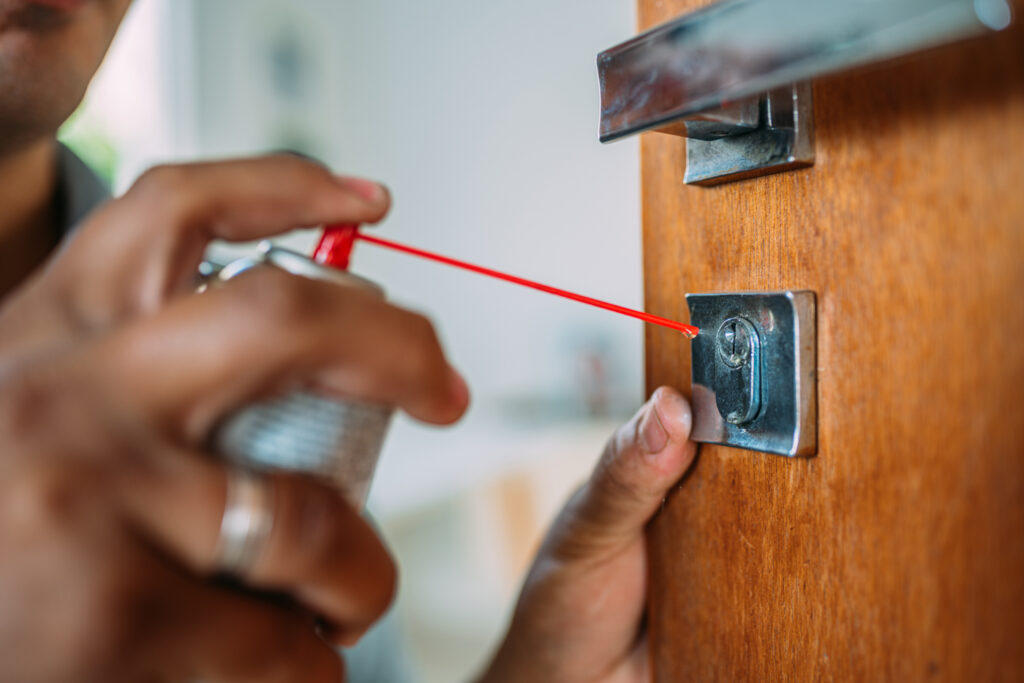
- Lubricate the lock: Use a graphite or silicone-based lubricant (never oil-based) to keep internal parts moving smoothly
- Inspect for wear: Look for signs of rust, loose screws, or difficulty turning the key
- Test keys: If the key is hard to insert or turn, it may be time for rekeying or replacement
When to Call a Professional
If you notice persistent issues such as jamming, misalignment, or difficulty locking and unlocking your door, it’s time to consult professional locksmith services. A trained technician can assess the condition of your locks and determine whether a quick fix, rekey, or full replacement is required.
Choosing the Right Lock Options for Your Home
Every home is different, and so are its security needs. When deciding between rekeying and replacing, consider the types of locks you have and the lock options available for your situation. Your choice will depend on your budget, lifestyle, and how much you want to upgrade your home security.
Common Residential Lock Types
Understanding your current locks can help you decide on your next steps. Here are a few common types found in Canadian homes:
- Deadbolts: The most common choice for entry doors; can be rekeyed or replaced easily
- Knob Locks: Often used for interior doors; less secure than deadbolts
- Lever Handle Locks: Easier to operate and ADA-compliant; popular in newer homes
- Smart Locks: Offer keyless entry, remote access, and advanced security features
- Mortise Locks: Durable and secure, usually found in older or high-end homes
Modern Options for Security Improvement
If you’re considering a security improvement, modern lock technologies offer a range of options:
- Keyless entry systems: Use a code or smartphone to unlock your door
- Biometric locks: Use fingerprint recognition for added security
- Smart locks: Integrate with your home automation system for remote control and monitoring
- High-security deadbolts: Feature anti-pick, anti-bump, and drill-resistant technology
Replacing your locks with any of these advanced options is ideal if you’re planning a full security upgrade. However, if your current locks are still in good shape, rekeying locks may be enough to restore your peace of mind without a major investment.
How to Decide: A Practical Comparison
Let’s break down the decision-making process using key criteria like cost, convenience, and effectiveness. This practical comparison will help you choose the right lock service for your home.
1. Security Needs
If your locks are already high-quality and undamaged, rekeying is usually enough to secure your home. But if you’re concerned about break-ins, have old or low-grade locks, or want to modernize your security, replacing them is the smarter choice.
2. Budget Constraints
Rekeying is the more affordable option, especially when dealing with multiple locks. However, if your budget allows for it, investing in modern, high-security locks can save you money down the road through fewer repairs and lower insurance premiums.
3. Age and Condition of Existing Locks
Locks that are worn, rusted, or difficult to operate should be replaced. No matter how many times you rekey them, old hardware can still fail. New locks ensure reliability and better protection.
4. Aesthetic Preferences
If you’re renovating your home or simply want to update the look of your entryways, replacing the locks gives you more style choices. You can match finishes to your door handles or upgrade to sleek, modern designs.
5. Convenience and Access Control
Want one key for all doors? Rekeying can make that happen—provided your locks are compatible. Want to grant or revoke access remotely? Smart locks are your best bet, and that requires a full replacement.
Why Work with a Professional Locksmith in Canada?
Whether you’re rekeying or replacing, having the job done by a professional ensures it’s done right. DIY kits are available, but they can be tricky, especially if you’re not familiar with lock mechanics. A skilled locksmith will save you time and prevent mistakes that could compromise your home’s security.
Benefits of Professional Locksmith Services
- Expert advice: A trained technician will assess your locks and recommend the best solution
- Proper installation: Ensures your locks are fitted correctly and function smoothly
- Code compliance: Professionals understand Canadian building codes and standard requirements
- Time-saving: Quick service without the hassle of trial and error
If you need expert locksmith services anywhere in Canada, Fortify Services offers fast, reliable, and affordable solutions tailored to your needs.
Serving All Types of Canadian Homes
From condos in downtown Toronto to cottages in Muskoka and homes in Calgary suburbs, Fortify Services understands the varying needs of Canadian homeowners. We work with all types of locks, climates, and housing styles to offer solutions that work for your specific situation and location.
Common Mistakes to Avoid
Many homeowners make avoidable errors when dealing with their locks. Here are some common mistakes and how to avoid them:
1. Ignoring Old or Faulty Locks
Just because a lock still turns doesn’t mean it’s secure. Worn-out locks can be picked easily or fail during a break-in attempt. Always replace damaged or outdated locks to maintain proper protection.
2. DIY Rekeying Without the Right Tools
Rekeying might seem simple, but without the proper tools and training, it’s easy to damage your locks or leave them vulnerable. Unless you’re experienced, it’s best to hire a professional locksmith.
3. Using the Same Key for Years
If you’ve had the same keys for over a decade, it may be time for a key change. Regularly updating your keys—through rekeying or replacing—reduces the risk of unauthorized access.
4. Failing to Upgrade After a Break-in
If your home has been broken into, you should replace your locks immediately. Criminals may have manipulated or damaged your hardware. A complete lock change and security assessment will help you recover peace of mind.
5. Not Matching Locks to Doors
Every door is different. Exterior doors need strong deadbolts, while interior doors may only require basic knobs. Replacing or rekeying without understanding the door’s role in your home could lead to inefficiencies or security gaps.
6. Overlooking Fire and Safety Codes
In some provinces, especially in multi-unit dwellings, specific locks are required to comply with fire and building codes. Always ensure your locks meet local regulations to avoid fines and ensure safety.
Conclusion: Rekey or Replace—Make the Right Call for Your Home
Choosing between rekeying locks and lock replacement doesn’t have to be confusing. It all comes down to your specific situation, goals, and budget. Rekeying is a practical, affordable solution for situations like moving into a new home or recovering from lost keys. On the other hand, replacing your locks offers a fresh start, upgraded security, and modern features that can transform your home’s protection.
Regardless of which option you choose, working with a trusted local expert ensures the job is done safely and correctly. Fortify Services is proud to offer reliable locksmith services across Canada. Whether you need a quick rekey, a full security upgrade, or help choosing the best lock options, our certified technicians are here to help.
Don’t wait until there’s a problem. Improve your home’s security today. Contact Fortify Services to schedule your lock assessment and discover the best solution for your needs. Your safety is our priority—and your peace of mind is our promise.