
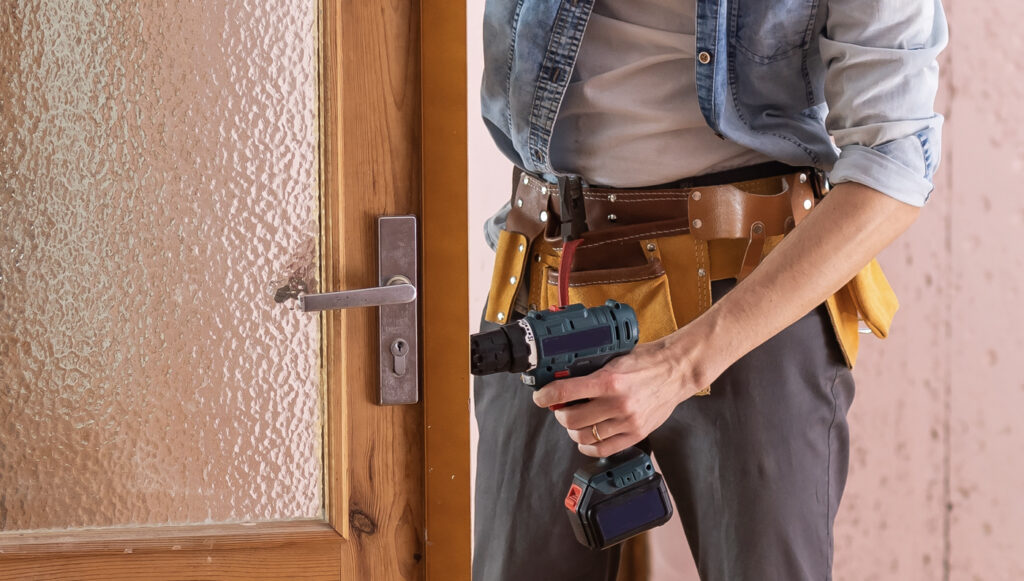

Lock solutions matter when you rely on your recreational vehicle for weekend trips, long hauls, or full-time mobile living. This guide explains common RV locks, motorhome security risks, smart upgrade options, and practical camping security tips for Canadian owners who want safer, easier travel across every season.
Why RV Locks Matter for Canadian Travel
For many Canadians, an RV or motorhome is more than a vehicle. It is a home on wheels, a holiday base, and sometimes a full-time lifestyle choice. That is why strong RV locks are a key part of travel security. Whether you park at a campground in Ontario, store your trailer in Alberta, or take a cross-country trip through the Maritimes, your lock system needs to protect both the vehicle and everything inside it.
Unlike a standard house, a recreational vehicle often has several entry points packed into a smaller space. The main door, storage compartments, hitch locks, steering locks, and even bike racks may all need protection. If just one weak point fails, your motorhome security can be compromised quickly. Many factory-installed locks are basic and may not stand up well to wear, weather, or forced entry.
Canadian weather adds another challenge. Freezing temperatures, road salt, heavy rain, and long storage periods can all affect lock performance. A lock that works fine in summer may stick, rust, or fail during shoulder seasons or winter use. This is why many owners eventually upgrade their travel locks or call an RV locksmith for better solutions.
Common security risks for recreational vehicle owners
RV and motorhome owners often face a mix of vehicle security and home security concerns at the same time. Common risks include:
- Worn or low-quality entry door locks
- Lost or copied keys
- Unlocked exterior storage compartments
- Easy access during overnight campground stays
- Theft during off-season storage
- Damage from frozen or corroded mobile home locks
These risks increase when owners assume that the original lock setup is enough. In reality, many entry systems on older units are easy to bypass. If your lock feels loose, jams often, or uses a common key code, it may be time for an upgrade. For homeowners who store an RV at home, outdoor security around the driveway or side yard also matters. Motion lights, cameras, and visible deterrents can help reduce unwanted attention.
How Canadian conditions affect motorhome security
Climate plays a big role in lock performance across Canada. In colder provinces, moisture can freeze inside the cylinder and stop the key from turning. In coastal areas, salt air may speed up corrosion. In busy urban centres, theft risk may be higher than in rural campgrounds, while remote areas can make emergency help harder to find.
Choosing lock hardware rated for exterior use is important. Look for durable materials, weather-resistant finishes, and designs made for vibration and road use. If you are unsure what fits your rig, professional locksmith services can help you match the right hardware to your door style, compartment type, and travel habits.
Choosing the Right Lock Solutions for RVs and Motorhomes
The best RV locks depend on how you use your vehicle. A family that camps a few weekends each summer may need a different setup than someone living full-time in a motorhome. The goal is to create layers of protection without making daily use frustrating.
Main entry door locks
Your main door is the first place to start. Many recreational vehicle doors come with a latch and a basic deadbolt, but not all systems offer the same level of strength. If the handle feels flimsy or the deadbolt does not align properly, replacing it can improve both safety and convenience.
What to look for in a better entry lock
- A solid deadbolt with strong throw length
- Weather-resistant construction
- Tight fit with minimal movement in the door
- Keyed-alike options for simpler access
- Keyless entry if you want easier access during travel
Keyless systems are becoming more popular in mobile living because they reduce the chance of lost keys during hikes, beach stops, or campground activities. Some owners like keypad locks for convenience, while others prefer traditional keyed systems with stronger cylinders. A trusted locksmith service can explain the pros and cons of each option before installation.
Storage compartment and accessory locks
Entry doors are only one part of camping security. Exterior compartments often hold tools, hoses, batteries, generators, and personal gear. These spaces are common targets because the locks are small and often lower quality than the main door lock.
Upgrading compartment locks can make a real difference, especially if your unit still uses common factory keys. Better cam locks, paddle latches, and weather-protected cylinders can help secure storage areas more effectively. It is also smart to check locks on cargo carriers, bike racks, and hitch-mounted storage boxes. These accessories are easy to overlook but are part of your overall travel security plan.
Ignition, steering, and hitch protection
Vehicle security goes beyond the living area. If thieves can move the RV, trailer, or towable unit, they can defeat every other lock later. Steering wheel locks, coupler locks, wheel clamps, and hitch receiver locks add another layer of protection, especially during storage or overnight stops.
For motorhomes, ignition issues can also create security concerns. A worn key or damaged ignition cylinder may leave you stranded or make the vehicle easier to tamper with. If you notice sticking, rough turning, or signs of wear, it is wise to have it checked early. If you need expert help with lock changes, rekeying, or replacement parts, Fortify Services offers expert locksmith support for a wide range of security needs in Canada.
Practical Tips to Improve Camping Security and Daily Use
Good motorhome security is not only about buying stronger hardware. It also comes from simple daily habits, regular maintenance, and smart planning. A few small steps can lower risk and help your locks last longer.
Simple habits that improve travel security
- Lock all doors and compartments, even during short stops
- Keep a spare key in a secure, separate location
- Avoid leaving valuables visible through windows
- Park in well-lit areas when possible
- Check lock function before every trip
- Use wheel, hitch, or steering locks during storage
These habits are especially useful during busy travel months when campgrounds, fuel stops, and rest areas see more traffic. If your current setup feels unreliable, do not wait for a lockout or break-in to take action. Upgrading early is often easier and more affordable than dealing with theft or emergency damage.
Maintenance tips for Canadian seasons
Locks on a recreational vehicle need regular care. Dirt from gravel roads, moisture from rain, and salt from winter roads can all affect performance. Use a suitable lock lubricant, clean around exposed hardware, and inspect screws, strike plates, and seals a few times each year. If a key starts sticking, do not force it. That can break the key or damage the cylinder.
Before winter storage, test every lock and replace any weak parts. In spring, check again before your first trip. Owners who travel between provinces should also remember that climate changes can affect materials quickly. What works well in dry prairie weather may behave differently in coastal or northern conditions.
For DIY homeowners, basic upkeep is manageable, but installation and rekeying are often better handled by trained technicians. A professional can make sure your mobile home locks, door hardware, and accessory locks are fitted properly and working as a complete system.
When to Repair, Rekey, or Replace RV Locks
Not every lock problem means you need a full replacement. In many cases, the right fix depends on the age of the hardware, the condition of the keyway, and how you use your recreational vehicle. Understanding the difference can save money and improve motorhome security without adding unnecessary parts.
Signs a repair may be enough
A repair is often a good option when the lock body is still solid but the function is not smooth. For example, a sticky latch, loose handle, or misaligned strike plate may be corrected without changing the whole unit. This is common after long trips on rough roads, where vibration slowly shifts screws and hardware.
You may only need a repair if:
- The key still works but turns roughly
- The latch does not catch cleanly
- The handle feels loose
- The lock freezes in cold weather but is not damaged
- The door has shifted slightly and needs alignment
In these situations, cleaning, lubrication, tightening hardware, or adjusting the fit can restore proper function. If you want a reliable inspection before your next trip, professional locksmith services can help identify whether the issue is wear, weather, or installation-related.
When rekeying makes sense for travel locks
Rekeying is a smart choice when the lock itself is in good shape but key control is the real concern. If you bought a used RV, lost a key at a campground, shared copies with others, or worry that an old key may still be out there, rekeying improves travel security without replacing every lock.
Many Canadian owners also choose rekeying to simplify access. Having one key for the main door, selected storage areas, and certain mobile home locks can make daily use easier, especially for families or couples travelling together. Fewer keys means less confusion during fuel stops, late-night arrivals, or quick breaks on the road.
When replacement is the better long-term solution
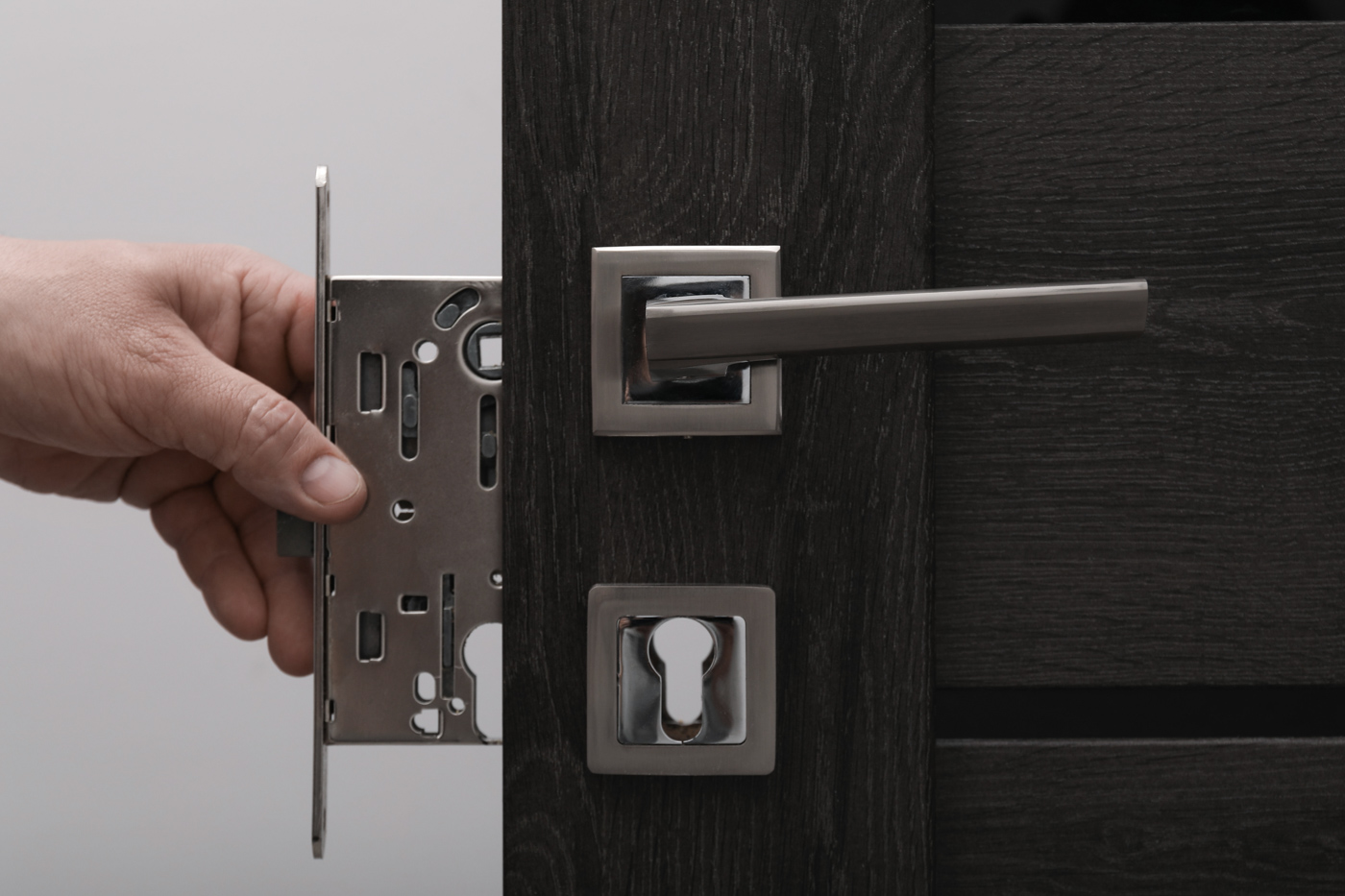
Replacement is usually best when the hardware is low quality, heavily corroded, cracked, or no longer secure. This is often the case with older factory RV locks that use common key codes or thin materials. If the lock can be forced easily, replacing it is usually the safest move.
Consider replacement if:
- The cylinder is badly worn or damaged
- The key can be removed in the wrong position
- The lock has visible rust or corrosion
- The latch or deadbolt no longer lines up properly
- You want to upgrade to stronger or keyless hardware
If your current setup leaves you unsure about vehicle security, it may be time to speak with an experienced RV locksmith who can recommend options that suit your door type, storage layout, and travel routine.
Smart Upgrades for Better Motorhome Security
Modern lock solutions can make mobile living both safer and more convenient. The best upgrades add protection without making everyday use harder. For Canadian travellers, that means choosing products that can handle changing temperatures, road vibration, and outdoor exposure.
Keyless entry and electronic options
Keyless entry has become a popular upgrade for motorhome security because it reduces the risk of lost keys and makes access easier when your hands are full. A keypad lock can be useful at the beach, on the trail, or while setting up camp. Some systems also allow temporary codes for family members or trusted guests.
That said, electronic locks should still be chosen carefully. Battery life, weather resistance, and backup key access all matter. In colder parts of Canada, a lock should be able to perform in lower temperatures without draining quickly or becoming unreliable. A good setup always includes a manual backup plan in case of power failure.
High-security cylinders and reinforced hardware
If your main concern is forced entry, stronger mechanical hardware may be the better investment. High-security cylinders are harder to pick or bump, while reinforced strike areas can improve resistance at the door frame. For many RV and motorhome owners, this type of upgrade offers a good balance between simplicity and protection.
It is also worth looking at latch design, screw length, and overall fit. Even a strong lock can underperform if it is installed poorly or mounted into weak material. This is one reason many homeowners turn to expert locksmith support when upgrading entry systems on a recreational vehicle.
Extra layers for camping and outdoor security
Good camping security is about more than the main door. Layered protection can include:
- Window alarms or contact sensors
- Motion-sensor lighting near parked units
- Locking storage boxes for tools and generators
- Hitch and coupler locks for towables
- Steering wheel locks for motorhomes
- Cameras for home driveway or seasonal storage areas
These added measures help reduce opportunity, which is often the biggest factor in theft. If a unit looks harder to access and easier to notice, many thieves move on. This is especially important for RVs parked in shared lots, rural properties, or urban storage compounds.
Choosing a Locksmith for RV and Mobile Living Needs
RV locks are not always the same as residential or standard automotive hardware. A recreational vehicle combines parts of both, along with storage locks, compartment latches, and travel-specific security needs. That is why it helps to work with a locksmith who understands mobile living and the practical demands of the road.
What Canadian owners should look for
When choosing help for motorhome security, look for a provider who can assess the full system, not just one lock at a time. The goal is to make sure your entry points, keys, and accessories work together in a way that suits how you travel.
A qualified locksmith should be able to help with:
- Lock repair, replacement, and rekeying
- Key duplication and lost key solutions
- Upgrades for entry doors and compartments
- Advice on weather-resistant travel locks
- Security improvements for stored RVs and motorhomes
Canadian homeowners should also think about seasonal use. A lock solution for summer-only camping may differ from one used for year-round travel or extended storage. In some cases, insurance requirements or storage facility rules may also affect the type of lock or visible deterrent you choose.
Why professional installation often pays off
DIY upgrades can work well for simple swaps, but many RV doors and compartment systems have tight tolerances. An incorrect fit can lead to rattling, water intrusion, latch failure, or premature wear. Professional installation helps make sure the lock is aligned, secure, and suitable for the material it is mounted into.
This is especially important if you are combining several upgrades at once, such as a new entry lock, rekeyed storage compartments, and added vehicle security hardware. If you need dependable help, Fortify Services offers locksmith services in Canada tailored to practical security needs for homeowners and travellers alike.
Final thoughts on protecting your RV or motorhome
The right lock setup can make every trip feel easier and safer. From stronger RV locks and better travel locks to smart habits and seasonal maintenance, each step improves your overall motorhome security. Whether you use your recreational vehicle for weekend escapes, long-distance touring, or full-time mobile living, reliable hardware matters.
If your locks are worn, outdated, or no longer giving you confidence, Fortify Services can help. From rekeying and repairs to complete security upgrades, their team provides practical solutions for Canadian RV and motorhome owners who want better camping security, stronger outdoor security, and peace of mind on the road. Contact Fortify Services to find the right lock solution for your vehicle and travel style.