

Hiring a locksmith means trusting someone with your home’s security. This guide explains locksmith insurance, bonding, liability coverage, and service guarantees in Canada, so homeowners can verify credentials, reduce risk, and choose an insured locksmith with confidence.
Why Locksmith Insurance and Bonding Matter for Canadian Homeowners
When you hire a locksmith, you are not just paying for a quick repair or lockout service. You are giving someone access to your doors, locks, keys, and sometimes your family’s daily routine. That is why locksmith insurance and bonding matter so much. For Canadian homeowners, these protections are an important part of customer protection and service security.
An insured locksmith helps reduce risk if something goes wrong during the job. A bonded locksmith adds another layer of trust, especially when the work involves access to your property, key systems, or security hardware. If you are comparing providers, it is smart to ask about professional insurance, liability coverage, and bonding requirements before booking the service.
If you are looking for professional locksmith services in Canada, choosing a company that takes professional coverage seriously can give you more peace of mind from the start.
What locksmith insurance usually covers
Locksmith insurance can include several types of protection. The exact policies vary by company, province, and insurer, but most reputable providers carry coverage designed to protect both their technicians and their customers.
General liability coverage
Liability coverage is one of the most important forms of protection. It may help cover accidental damage to your door, frame, lock hardware, or surrounding property while the technician is doing the work. For example, if a lock installation damages a door panel or a tool causes damage to a window trim, liability coverage may apply.
This is one reason why hiring an insured locksmith is often safer than choosing the cheapest option online. A low price may not mean much if you are left paying for repairs yourself.
Commercial auto and tool coverage
Many locksmiths travel with expensive tools, key-cutting equipment, and service vehicles. Professional insurance may include protection for these items as well. While that may sound like it mainly benefits the company, it also supports better service security for the customer. A well-equipped, properly insured provider is usually more prepared to complete the job safely and professionally.
Errors, workmanship, and service guarantee support
Some companies also carry insurance or service plans that support workmanship issues. This does not replace a service guarantee, but it can work alongside one. If a lock is installed incorrectly or there is a problem linked to the service provided, a clear guarantee policy helps the homeowner know what to expect.
Before agreeing to any work, ask what is covered after installation or repair. A trustworthy locksmith should be able to explain their service guarantee in plain language.
What it means to be a bonded locksmith
A bonded locksmith is different from an insured locksmith, although many professional companies have both. Bonding is a financial protection tool that can help if a customer suffers a loss related to dishonest or improper conduct covered by the bond terms.
In simple terms, a bond is meant to build trust. It shows that the business has taken an extra step to meet industry or contractual expectations. Bonding requirements can vary depending on the province, municipality, commercial contract, or type of work being done.
For homeowners, the word “bonded” can be a sign that the company values accountability. While not every locksmith job in Canada legally requires bonding, it is still worth asking about, especially for rekeying, high-security lock work, and jobs involving multiple entry points.
Why this matters more in home security work
Locksmiths often work in sensitive situations. They may help after a break-in, replace locks during a separation, rekey a new home after a purchase, or restore access during an emergency lockout. In these moments, customer protection is about more than paperwork. It is about knowing the person at your door is qualified, traceable, and backed by proper professional coverage.
Across Canada, homeowners are also becoming more aware of scam service listings and unverified contractors. Insurance verification and proof of bonding can help you avoid these risks. If a company hesitates to provide basic documentation, that is a warning sign.
How to Verify an Insured Locksmith Before You Book
Insurance verification does not need to be complicated. In fact, a reputable company should make the process easy. Whether you need a lock change in Toronto, a rekey in Calgary, or help with a smart lock in Vancouver, the same basic checks apply.
If you need expert locksmith help, taking a few minutes to confirm credentials can save you stress, money, and potential security issues later.
Ask for proof of insurance and bonding
One of the simplest steps is to ask for proof of current locksmith insurance. This may come as a certificate of insurance or a written confirmation from the company. You can also ask whether the business is a bonded locksmith service and what the bond covers.
Here are a few practical questions to ask:
- Do you carry liability coverage for residential locksmith work?
- Are your technicians covered under your professional insurance?
- Are you bonded, and do your bonding requirements apply to home service calls?
- What type of service guarantee do you offer on parts and labour?
A professional company should answer clearly and without pressure.
Check business details and local compliance
In Canada, licensing and standards can vary by province and municipality. Some areas have stricter rules for trades and mobile service businesses than others. While there is no single national locksmith licence that applies everywhere, a professional provider should still follow local business rules, carry proper insurance, and operate in line with applicable safety standards.
For example, locksmith work connected to fire-rated doors, exit devices, or multi-unit residential buildings may need extra care to align with building code expectations. A good technician will understand when a repair or replacement could affect safety compliance.
This is especially important if you live in a condo, townhouse complex, or rental property with shared access systems. In these cases, service security includes not only your unit but also the broader building environment.
Read reviews with a security mindset
Online reviews can tell you more than whether a locksmith arrived on time. Look for comments that mention professionalism, identification, clear pricing, careful workmanship, and follow-up support. These details often reflect whether a company takes customer protection seriously.
Good reviews may mention that the technician explained options, verified ownership before opening a door, or recommended the right lock grade for the home. Those are all strong signs of a responsible service provider.
If you are comparing companies, choose one that offers insured locksmith services with transparent communication and clear documentation.
What Homeowners Should Expect From a Properly Covered Locksmith
Hiring a locksmith should feel straightforward and secure. When a company has professional insurance, sensible liability coverage, and strong internal standards, the whole service experience tends to improve.
Clear identification and documented service
A reputable locksmith should arrive in a marked vehicle when possible, identify themselves, and explain the work before starting. For lockouts and rekeying, they should also confirm that you have the right to access the property. This protects both the homeowner and the technician.
After the job, you should receive a clear invoice showing the work completed, parts used, and any warranty or service guarantee details. This paperwork matters if you ever need follow-up service or want records for your home file.
Advice that fits your home, not just a quick sale
A properly covered professional is usually focused on long-term service, not rushed upsells. They should be able to explain whether you need a repair, rekey, or full replacement, and how each option affects your home security.
For example, if you moved into a new house, rekeying may be enough. If your lock is worn, misaligned, or no longer meets your needs, replacement may be the better choice. An experienced technician can also suggest upgrades such as deadbolts, keyless entry, or reinforced strike plates based on your budget and neighbourhood concerns.
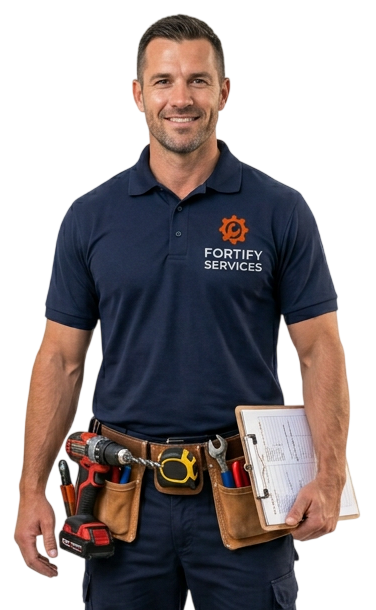
For homeowners who want dependable locksmith services in Canada, working with a provider like Fortify Services means getting practical advice backed by accountability, service security, and real customer care.
Warning Signs a Locksmith May Not Have Proper Coverage
Knowing what to avoid is just as important as knowing what to ask. While many Canadian locksmith companies operate professionally, some do not carry the right locksmith insurance, do not meet bonding requirements, or avoid clear paperwork altogether. For homeowners, spotting these warning signs early can help prevent damage, disputes, and security concerns.
Vague answers about insurance verification
If a company cannot clearly explain its liability coverage or hesitates when you ask for proof of professional insurance, take that seriously. A reputable insured locksmith should be able to confirm whether the business carries current coverage for residential work and whether technicians are included under that policy.
You do not need to be an insurance expert. You simply need enough information to feel confident that customer protection is in place. If the answers are unclear, rushed, or inconsistent, it may be better to keep looking for professional locksmith services from a provider that values transparency.
No written estimate or service guarantee
A proper service guarantee should not be a mystery. Before work begins, you should know the expected cost, what parts may be installed, and what support is available if something goes wrong after the visit. If a locksmith refuses to provide a written estimate or avoids discussing warranty terms, that can point to weak service security and poor accountability.
Clear documentation supports both the customer and the company. It reduces misunderstandings and gives you a record of the work completed, which is especially important for rekeying, lock replacement, and smart lock installation.
Pressure tactics during emergency calls
Emergency lockouts can make people feel rushed and vulnerable. Unfortunately, that is when some unqualified operators use pressure tactics, such as quoting a very low price online and then raising the cost after arrival. Others may recommend unnecessary drilling or full lock replacement when a simpler solution is possible.
A bonded locksmith or insured locksmith with proper professional coverage is more likely to follow a consistent process, explain your options, and complete the job responsibly. Even in urgent situations, you should still expect identification, reasonable pricing, and proof of business legitimacy.
How Insurance, Bonding, and Service Security Work Together
Many homeowners think of locksmith insurance, bonding, and service guarantee policies as separate issues, but they work best together. Each one supports a different part of customer protection. When a company has all three in place, the service experience is usually safer and more professional.
Insurance helps cover accidental loss
Liability coverage is designed to respond if accidental property damage happens during the job. This might include damage to a door, frame, glass insert, hardware, or surrounding finish. Professional insurance helps protect the business, but it also protects the homeowner from being left with unexpected repair costs.
Bonding supports trust and accountability
A bonded locksmith provides an added layer of reassurance. While bond terms can vary, bonding generally supports accountability if a covered loss involves dishonest conduct or failure to meet specific obligations. Not every residential service call in Canada requires a bond, but asking about bonding requirements is still a smart step when comparing companies.
Service guarantees protect the customer experience
A service guarantee focuses on the quality of the work and what happens after installation or repair. For example, if a newly installed deadbolt sticks, a latch does not align properly, or a rekeyed cylinder has an issue soon after service, the guarantee should explain what follow-up support is available.
When these protections are combined, homeowners get stronger service security from start to finish. If you want expert locksmith help, look for a company that can explain each of these protections in plain language.
Practical Tips for Canadian Homeowners Before and After Locksmith Work
Choosing the right locksmith is only part of the process. There are also a few practical steps homeowners can take to improve security, protect records, and make future service easier.
Before the appointment
Confirm property access and ownership details
For lockouts, rekeying, and lock changes, expect the technician to verify that you have the right to access the property. This may involve photo ID, proof of address, or confirmation after entry. While it may feel inconvenient during a stressful moment, it is an important part of customer protection.
Take photos of existing hardware
If possible, take a few quick photos of the current locks, strike plates, and door condition before the work begins. This can help document the original setup and make it easier to discuss replacement options, especially if your home has older hardware, smart locks, or multi-point systems.
Ask about code and hardware compatibility
In some Canadian homes, especially condos, newer builds, or houses with fire-rated entry doors, lock changes may need to respect building rules or hardware compatibility standards. Ask whether the proposed product suits your door type and whether the work could affect safety or code-related performance.
After the appointment
Test the lock before the technician leaves
Open and close the door several times. Lock and unlock it from both sides. If it is a smart lock or keypad, test the code, app connection, and battery compartment. This is the best time to catch alignment issues or ask questions about use and maintenance.
Store invoices and key details safely
Keep your invoice, warranty information, and any service guarantee notes in a safe place. If the lock was rekeyed, label spare keys carefully and avoid writing your full address on key tags. Good recordkeeping supports future insurance verification, warranty claims, and home security planning.
Reassess your overall home security
A locksmith visit can be a good time to review the rest of your entry points. Check side doors, patio doors, garage access doors, and basement entries. In many Canadian neighbourhoods, break-in prevention is not about one lock alone. Reinforced strike plates, quality deadbolts, proper lighting, and secure sliding door hardware all contribute to better protection.
If you are planning upgrades, working with an insured locksmith services provider can help you choose practical solutions that fit your home, budget, and local conditions.
Choosing Fortify Services With Confidence
For Canadian homeowners, locksmith insurance and bonding are not just business details. They are part of making a safe, informed decision about who gets access to your home. An insured locksmith offers important liability coverage. A bonded locksmith may provide additional accountability. A clear service guarantee supports confidence after the work is done. Together, these protections strengthen customer protection and reduce avoidable risk.
Whether you need help after a move, during a lockout, or while upgrading your entry security, it pays to choose a company that takes professional coverage seriously. Fortify Services understands that homeowners want more than fast service. They want reliability, documentation, and real peace of mind.
If you are looking for dependable locksmith services in Canada, contact Fortify Services to book knowledgeable, security-focused support backed by professional standards and a commitment to service security.