



Key management systems help Canadian property managers, condo boards, and homeowners stay organized, reduce lost keys, and improve property security. This guide explains how key control, master keys, and key tracking work, what to look for in management systems, and when to call a trusted property locksmith.
Why key management matters in Canadian property management
Key management is the process of controlling who has access to building keys, when they use them, and how those keys are stored, tracked, and returned. For Canadian property management, this is not just about convenience. It affects tenant safety, insurance concerns, emergency access, and the day-to-day flow of building management.
Whether you manage a duplex in Halifax, a condo in Toronto, or a rental portfolio in Calgary, poor key control can create expensive problems. Lost keys, unreturned copies, and unclear access rules can all weaken property security. A strong system helps reduce risk while making access management easier for staff, owners, and approved contractors.
Common key issues in residential and mixed-use buildings
Many property managers start improving their system only after something goes wrong. In practice, the same problems appear again and again across Canadian buildings:
- Tenants lose building keys or unit keys
- Staff members share keys without approval
- Former contractors still have access
- No clear record shows who signed out a key
- Master keys open too many areas
- Emergency key sets are outdated or incomplete
These issues may seem small at first, but they can quickly affect building management. One missing key may lead to lock changes, tenant complaints, and concerns about liability. In larger properties, weak key tracking can also slow maintenance work and create confusion during emergencies.
How key control improves property security
Good key control means every physical key has a purpose, a record, and a secure storage location. It also means access is limited to the right people. This is especially important in apartment buildings, condominiums, student housing, and senior living properties where many people need different levels of access.
With a proper system in place, property managers can:
- Track all building keys in one central process
- Limit duplication of keys
- Set rules for staff, cleaners, and trades
- Separate tenant access from service access
- Respond faster when a key is lost or stolen
- Support safer access management across the property
For buildings with frequent turnover, a reliable system also helps reduce rekeying costs over time. If you need help setting up secure key control for a rental or condo property, professional property locksmith services can help assess your current risks and recommend practical upgrades.
Canadian considerations for building access
Across Canada, access rules can vary by property type, municipality, and insurance requirements. While key management systems are not defined by one single national rule, property managers should still consider fire safety, emergency access, privacy, and duty of care. Condo boards and landlords may also need to follow internal policies or provincial tenancy requirements.
For example, superintendents and maintenance teams often need access to mechanical rooms, electrical areas, and common spaces. At the same time, that access should be restricted and documented. A thoughtful system supports both safety and accountability. In older buildings, it may also be wise to review whether existing locks and master keys still match the current use of the property.
Core parts of an effective key management system
A strong key management system is not just a locked cabinet with tags. It is a complete process that combines hardware, written policies, and regular follow-up. The best management systems are simple enough for staff to use every day but strong enough to support long-term property security.
Key tracking and record keeping
Key tracking is one of the most important parts of key management. Every key should be labelled in a secure, coded way and logged in a central record. That record should show:
- What the key opens
- Who currently has it
- When it was issued
- When it must be returned
- Whether copies are allowed
Some smaller properties use paper logs, while larger sites may use digital management systems. Either option can work if staff follow the process consistently. The main goal is visibility. If a property manager cannot quickly answer, “Who has this key right now?” then key control is too weak.
For buildings looking to improve daily operations, working with a team that offers expert locksmith support can make it easier to create a clear and secure tracking plan.
Master keys and hierarchy planning
Master keys can be very useful in property management, but they need careful planning. A master key system allows one key to open several designated locks while individual keys still open only their own doors. This can save time for managers, supers, and emergency responders, especially in multi-unit buildings.
However, a poorly designed master system can create serious risk. If one master key is lost, a large part of the building may be exposed. That is why hierarchy matters.
Best practices for master key use
- Limit the number of master keys in circulation
- Assign each master key to one approved person
- Use separate levels for units, common areas, and service rooms
- Review access rights when staff roles change
- Store spare master keys in a secured location
In many Canadian buildings, the best approach is a tiered system. For example, one key may open only cleaning closets and utility areas, while another is reserved for senior building management. This keeps access management practical without giving everyone full access to the property.
Secure storage and restricted duplication
Even the best key tracking system can fail if keys are left in drawers, open offices, or unmarked envelopes. Secure storage is essential. Keys should be kept in a locked cabinet, safe, or controlled room with limited access. High-value keys, including master keys and mechanical room keys, deserve extra protection.
Property managers should also think about restricted keyways. These are special lock systems that make it harder for keys to be copied without authorization. For condo corporations, landlords, and rental housing providers, restricted duplication can be a major benefit. It helps maintain key control even when many tenants, staff, and vendors are involved.
If your current setup still relies on basic hardware-store copies, it may be time to speak with a certified locksmith technician about stronger options for building keys and long-term property security.
Choosing the right system for your property
Not every building needs the same level of control. A small triplex may only need a simple sign-out process and secure storage. A large condo or mixed-use property may need coded key cabinets, restricted master keys, and digital key tracking. The right choice depends on the size of the property, staff structure, turnover rate, and security concerns.
Questions property managers should ask
Before choosing a system, ask these practical questions:
- How many keys are in circulation today?
- Who needs regular access and who needs occasional access?
- Are there areas that should never be opened by general staff?
- How often are keys lost, copied, or returned late?
- Would a rekeying plan reduce risk in older buildings?
These answers can help shape a system that fits your building instead of adding unnecessary complexity. In many cases, a property locksmith can review the site and recommend a better structure for key tracking, master keys, and access management.
Practical tips for Canadian homeowners and small landlords
Even if you manage only one rental home or a small multi-unit property, key management still matters. Start with a simple inventory of all building keys, including mailbox keys, garage remotes, storage keys, and side entrances. Record who has each item and when it was issued. Rekey locks after a sale, tenant turnover, or a lost key incident.
It is also smart to avoid labelling keys with full addresses or suite numbers. If a key ring is lost, that information can make unauthorized entry easier. Use coded labels instead, and keep the matching list in a secure place.
When your property grows or your needs become more complex, professional locksmith services can help you build a safer, more organized system that supports both convenience and peace of mind.
Implementing key management policies that actually work
Once the right hardware and structure are in place, the next step is policy. Many key management problems happen not because the locks are poor, but because the rules are unclear or not followed. In property management, a written process helps everyone understand how building keys are issued, used, stored, and returned.
A practical policy should be easy to follow for condo boards, supers, landlords, and maintenance staff. It should clearly explain who approves access, which keys can leave the site, and what happens if a key goes missing. This is especially important in larger Canadian buildings where several people may need access at different times.
What a strong key control policy should include
A reliable key control policy does not need to be complicated, but it should cover the basics in a consistent way. Most buildings benefit from including the following:
- A full inventory of all building keys and access devices
- Names of approved key holders and their access level
- Sign-out and return procedures for temporary use
- Rules for master keys and emergency key sets
- Steps to follow after lost, stolen, or unreturned keys
- Restrictions on copying or sharing keys
- Regular review dates for the system
These rules support better access management and reduce confusion when staff change, tenants move, or contractors come and go. For homeowners with a rental suite or laneway home, even a simple written record can improve property security and make future decisions easier.
Training staff, contractors, and board members
Even the best management systems fail if users do not understand them. Anyone who handles building keys should know the property’s expectations. That includes on-site staff, cleaners, trades, property managers, and sometimes volunteer condo board members.
Training should cover secure handling, key tracking, reporting procedures, and the importance of not lending keys to others. In mixed-use buildings, it is also wise to separate commercial access from residential access wherever possible. This helps protect tenant privacy while keeping building management organized.
If your team is updating an older system, a property locksmith can help review current risks and recommend practical changes that fit the building’s daily operations.
When to rekey instead of replacing everything
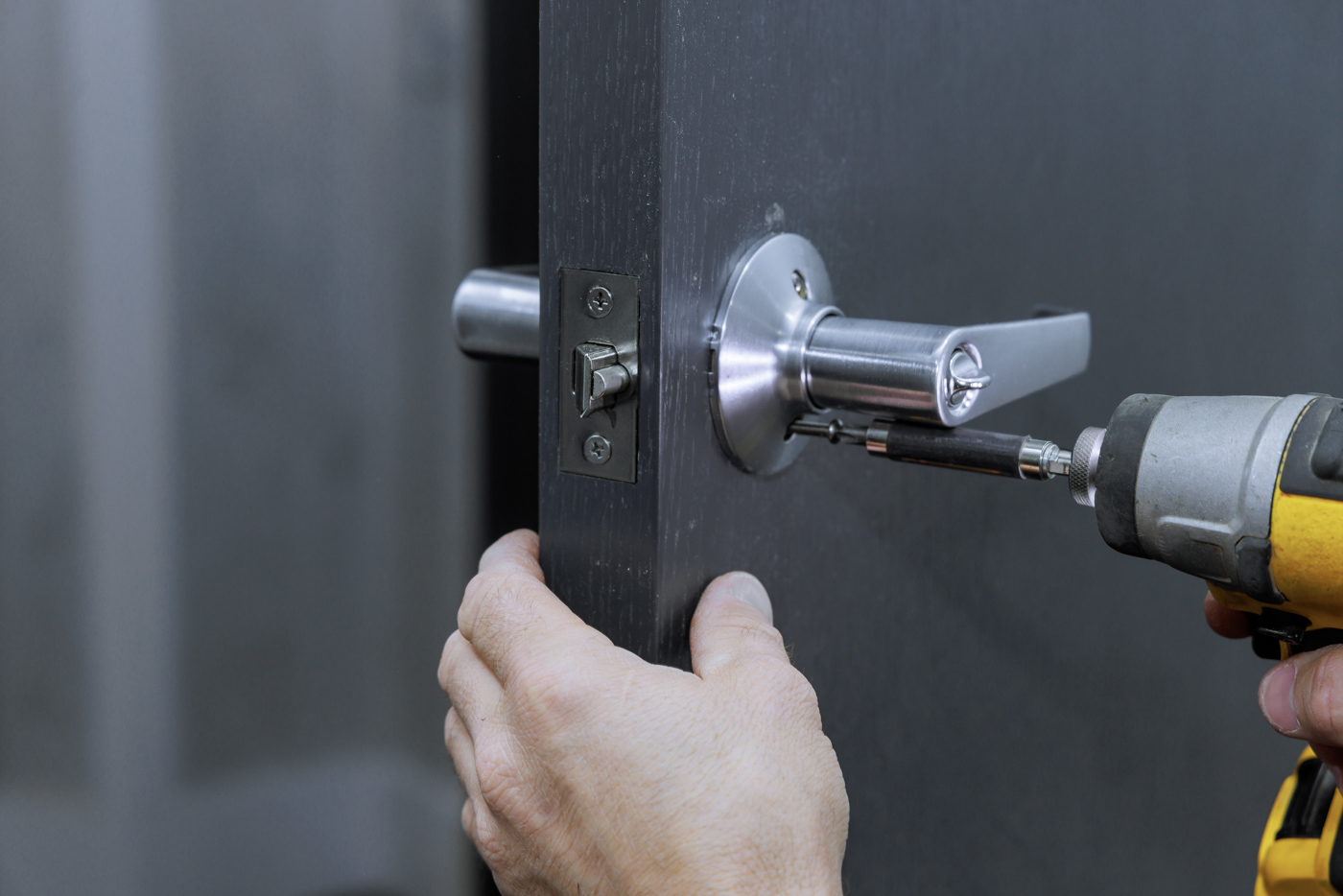
Property managers sometimes assume that every security concern requires full lock replacement. In many cases, rekeying is the more cost-effective option. Rekeying changes the internal pinning of a lock so old keys no longer work, while keeping the existing hardware if it is still in good condition.
This can be a smart choice after tenant turnover, staff changes, contractor disputes, or a lost master key incident. It is often faster and less expensive than replacing all locks, especially in apartment buildings and condo properties with many doors.
However, if the locks are worn, the keyway is outdated, or unauthorized copies are already common, a full upgrade may be the better long-term move. A professional assessment can help determine whether rekeying, restricted keys, or a new master key plan will best support property security.
Balancing convenience, emergency access, and risk
Good key management is always a balance. Property managers need to make sure the right people can get into the right spaces quickly, without creating unnecessary risk. This matters in everyday operations, but it becomes even more important during emergencies such as floods, fire alarm events, power failures, or urgent repairs in winter.
Emergency access without weak security
Canadian properties often need designated emergency access for fire panels, utility rooms, rooftop units, or vacant suites. But emergency access should still be controlled. Spare keys should be stored securely, clearly coded, and reviewed on a schedule. If the emergency set has not been checked in years, there is a real chance it no longer matches the current locks.
Many buildings also benefit from sealed emergency key packs or locked cabinets with limited authorization. This creates accountability while keeping access available when time matters. In some cases, local fire safety procedures or insurance expectations may influence how emergency access is handled, so it is worth confirming that the system still matches current building use.
How digital tools can support physical key tracking
Not every property needs a fully electronic solution, but digital tools can improve key tracking. Simple software logs, coded cabinets, and audit trails make it easier to see who accessed which building keys and when. For busy property management teams, this can reduce paperwork and improve response times.
Digital records are especially helpful when managing multiple sites across a city or region. A landlord with properties in Vancouver, Edmonton, or Ottawa may need a more centralized process than a homeowner managing one duplex. The best system is the one that staff will actually use every day.
That said, digital tracking does not replace physical security. Keys still need secure storage, restricted duplication, and clear policies. If you are unsure how to combine these pieces, professional locksmith services can help create a system that fits both the property and the people using it.
Special considerations for condos, rentals, and shared spaces
Different property types have different needs. Condo corporations often manage common entrances, lockers, amenity rooms, and service areas in addition to private units. Rental properties may deal with frequent turnover and maintenance access. Shared properties, such as student housing or multi-family homes, may need tighter rules around who can access private versus common spaces.
In all of these cases, a clear hierarchy matters. Not every staff member should hold master keys, and not every contractor should receive unrestricted access. Dividing access by role helps reduce risk while keeping day-to-day building management efficient.
Homeowners can apply the same thinking on a smaller scale. If you have a basement suite, detached garage, or shared storage area, consider whether one key should open everything. In many cases, separating access improves safety and gives everyone more peace of mind.
Long-term maintenance for better property security
Key management is not a one-time project. Buildings change over time. Locks wear out, tenants move, staff turn over, and access needs shift. A system that worked five years ago may no longer support current property security or building management needs.
Schedule regular audits and reviews
A simple annual review can catch many problems before they grow. During an audit, confirm that all keys are accounted for, access levels still make sense, and the key tracking record is up to date. Check whether old master keys are still in circulation, whether emergency sets are complete, and whether former vendors still have access.
This is also a good time to inspect physical hardware. Sticky locks, worn cylinders, and damaged keys can all create security and operational issues. In older Canadian buildings, small upgrades made during regular maintenance can prevent larger costs later.
Signs your current system needs an upgrade
- You cannot confirm who has certain building keys
- Keys are copied without approval
- Staff share master keys between shifts
- Lost key incidents happen more than once a year
- Locks no longer match the property’s current use
- There is no written process for key control
If any of these issues sound familiar, it may be time to modernize your approach. A review from expert locksmith support can help identify weak points and recommend practical improvements without overcomplicating the system.
Choosing the right help for Canadian properties
Whether you manage one rental home or a large multi-unit building, working with an experienced locksmith can save time and reduce risk. The right provider understands master keys, restricted keyways, rekeying plans, and the day-to-day realities of Canadian property management. They can also help align your locks, key control, and access management strategy with how the building is actually used.
Strong key management protects more than doors. It supports tenant safety, smoother operations, and better confidence for owners and managers. If you want a more secure and organized system for building keys, Fortify Services can help with assessments, upgrades, rekeying, and long-term support. Contact Fortify Services to improve your property security with trusted Canadian locksmith expertise.