

Garage door springs are essential to the smooth operation of your garage door. When they snap, it can be frustrating, costly, and even dangerous. Learn why they break, how to handle the issue, and what it really costs to repair or replace them in Canada.
Understanding Garage Door Springs and Their Importance
Garage doors are more than just an entryway to your home—they’re a critical part of your home’s security and energy efficiency. At the heart of every garage door system are the springs. These tightly wound coils of metal provide the tension and counterbalance needed to lift and lower your heavy garage door with ease. When they snap, the entire system becomes compromised.
Types of Garage Door Springs
There are two main types of garage door springs used in Canadian homes:
Torsion Springs
Torsion springs are mounted above the garage door and use torque to lift it. These springs are more durable, last longer, and are typically found in newer garage door systems. They offer smoother operation and better balance for heavier doors.
Extension Springs
Extension springs are installed on either side of the door and stretch to provide lifting force. They are more common in older homes or budget installations. While functional, they don’t last as long and are more prone to snapping due to their stretching mechanism.
Why Garage Door Springs Snap
Over time, even the best-quality springs will wear out. Here are the most common reasons springs break:
1. Wear and Tear
Most springs are rated for 10,000 cycles (a cycle equals one open and close). For a family that uses the garage door multiple times daily, that life span can be as short as 5-7 years. Constant tension and movement cause the metal to fatigue and eventually snap.
2. Rust and Corrosion
Canadian winters, with their moisture and salt exposure, can be especially harsh on metal parts. Rust weakens the spring’s structure and accelerates breakage. Regular maintenance can help prevent corrosion and extend the life of your springs.
3. Poor Maintenance
Lack of lubrication and infrequent inspections are major culprits. Springs need to be oiled regularly to reduce friction and wear. Without maintenance, small issues can escalate into full spring failure.
4. Incorrect Spring Type or Installation
If the wrong type or size of spring is used, it won’t bear the weight of the door properly. This imbalance leads to premature wear and failure. That’s why professional door repair services are critical for correct installation and long-term reliability.
What Happens When a Garage Door Spring Snaps?
A broken garage door spring can be more than just a nuisance—it can be dangerous. Here’s what you might experience:
Sudden Loud Noise
Springs snap with a loud bang, which many homeowners mistake for a firecracker or even a gunshot. This noise is caused by the release of high tension in the spring.
Door Won’t Open or Closes Unevenly
Without the spring’s tension, the garage door opener can’t lift the door. In some cases, the door may open slightly and then slam shut or appear lopsided if only one spring breaks.
Potential Damage to the Door or Opener
Operating a door with a broken spring puts extra strain on the opener, cables, and tracks, leading to further damage. Continuing to use the door in this state can result in higher repair costs.
Safety Risks
Garage doors are heavy—some can weigh over 200 pounds. A door that suddenly slams shut due to a broken spring can cause injury or property damage. For safety reasons, spring repairs should always be handled by professionals.
Repair vs. Replacement: What’s the Best Option?
When dealing with a broken garage door spring, homeowners often wonder whether to repair or replace. Here’s how to decide:
Replace Both Springs
If one spring breaks, the other is likely close to failing. Replacing both at the same time ensures balanced performance and saves you a second service call. Most experts recommend replacing both springs during a service.
Full System Inspection
Along with replacing the springs, a full inspection of the garage door system is wise. Check the cables, rollers, tracks, and opener to ensure everything is operating properly. This step is especially important if your door has seen many years of use.
DIY vs. Professional Help
While there are many home improvement projects you can tackle on your own, garage door spring repair is not one of them. Here’s why:
- High Tension: Springs are under extreme pressure and can snap back violently if mishandled, causing serious injury.
- Specialized Tools: Proper tools and knowledge are required for safe and accurate spring replacement.
- Warranty Coverage: Professional repairs often come with warranties, offering peace of mind and cost protection.
For safety and reliability, working with certified technicians for door and window repair is the best choice.
What It Really Costs to Replace Garage Door Springs in Canada
Canadian homeowners want to know what they’re in for when it comes to garage door repairs. Costs vary depending on your location, the type of spring, and whether additional parts or services are needed. Here’s a breakdown:
Typical Garage Door Spring Replacement Costs
On average, homeowners in Ontario and other provinces can expect to pay:
- Basic Spring Replacement: $180 – $300 (includes labour and parts)
- Premium Torsion Springs: $250 – $400
- Extension Spring Replacement: $150 – $250
- Emergency After-Hours Repairs: $100 – $200 additional fee
These costs can increase if the repair includes additional components or if the door itself needs adjustments. If your garage door is older or custom-built, prices may be higher due to the availability of compatible parts.
Comparing Costs with Other Home Repairs
While garage spring repair costs may seem high, they are often more affordable than other home upgrades. For example, the cost to replace front door in Canada ranges from $1,000 to $2,500, depending on materials and installation. Similarly, the cost to replace windows in Ontario can be anywhere from $500 to $1,500 per window.
On the repair spectrum, cracked window repair cost can range from $100 to $400, depending on the size and type of window. Compared to these figures, spring replacement is a relatively affordable and high-impact fix.
Factors That Influence Cost
Spring Type and Material
High-cycle torsion springs made from galvanized or oil-tempered steel cost more upfront but last longer. Choosing the right spring type can save money in the long run.
Door Size and Weight
Larger doors require stronger or multiple springs. Heavier doors, such as those with insulation or custom wood finishes, need heavy-duty spring systems, which adds to the cost.
Labour and Location
Labour rates may vary between provinces and even cities. Urban centres like Toronto and Vancouver may see slightly higher repair costs compared to smaller towns or rural areas.
Service Provider Expertise
Choosing a trusted local provider like Fortify Services ensures accuracy, safety, and long-term value. Working with experienced technicians can prevent costly mistakes and additional damage.
When to Consider a Full Door Replacement
If your garage door is over 15 years old, has multiple issues, or lacks modern safety features, a full replacement might be more cost-effective. In such cases, investing in professional door and window installation services ensures your home stays secure, efficient, and up to code.
Additional Costs to Watch For
While replacing springs, technicians may recommend additional repairs or replacements:
- Cables and Drums: $50 – $150 if frayed or damaged
- Rollers and Tracks: $100 – $200 for smoother operation
- Garage Door Opener: $300 – $600 if damaged from operating with broken springs
Bundling these repairs during a spring replacement can save on future service calls and labour costs.
How to Prevent Broken Garage Door Springs
Preventative maintenance plays a vital role in extending the life of your garage door springs and ensuring safe operation year-round—especially important in Canada’s varying climate.
Lubricate Moving Parts Regularly
Apply a silicone-based lubricant to springs, rollers, and hinges every 3 to 6 months. Avoid using grease, which can attract dirt and cause buildup.
Inspect for Wear and Rust
Look for signs of stretching, rust, or gaps in the spring coils. If the door feels heavy or moves unevenly, it may be a sign of spring fatigue.
Schedule Annual Professional Inspections
Having a professional technician inspect your garage system annually helps catch potential issues early. Look for certified experts who specialize in door and window installation and repair services across Canada.
Balance the Door
Disconnect the opener and manually lift the door halfway. If it stays in place, the springs are well-balanced. If it falls or shoots up, the springs may need adjustment or replacement.
Replace Before Failure
If your springs are approaching the end of their cycle life (usually 7-10 years), consider proactive replacement. This prevents emergency breakdowns and ensures continued safe operation.
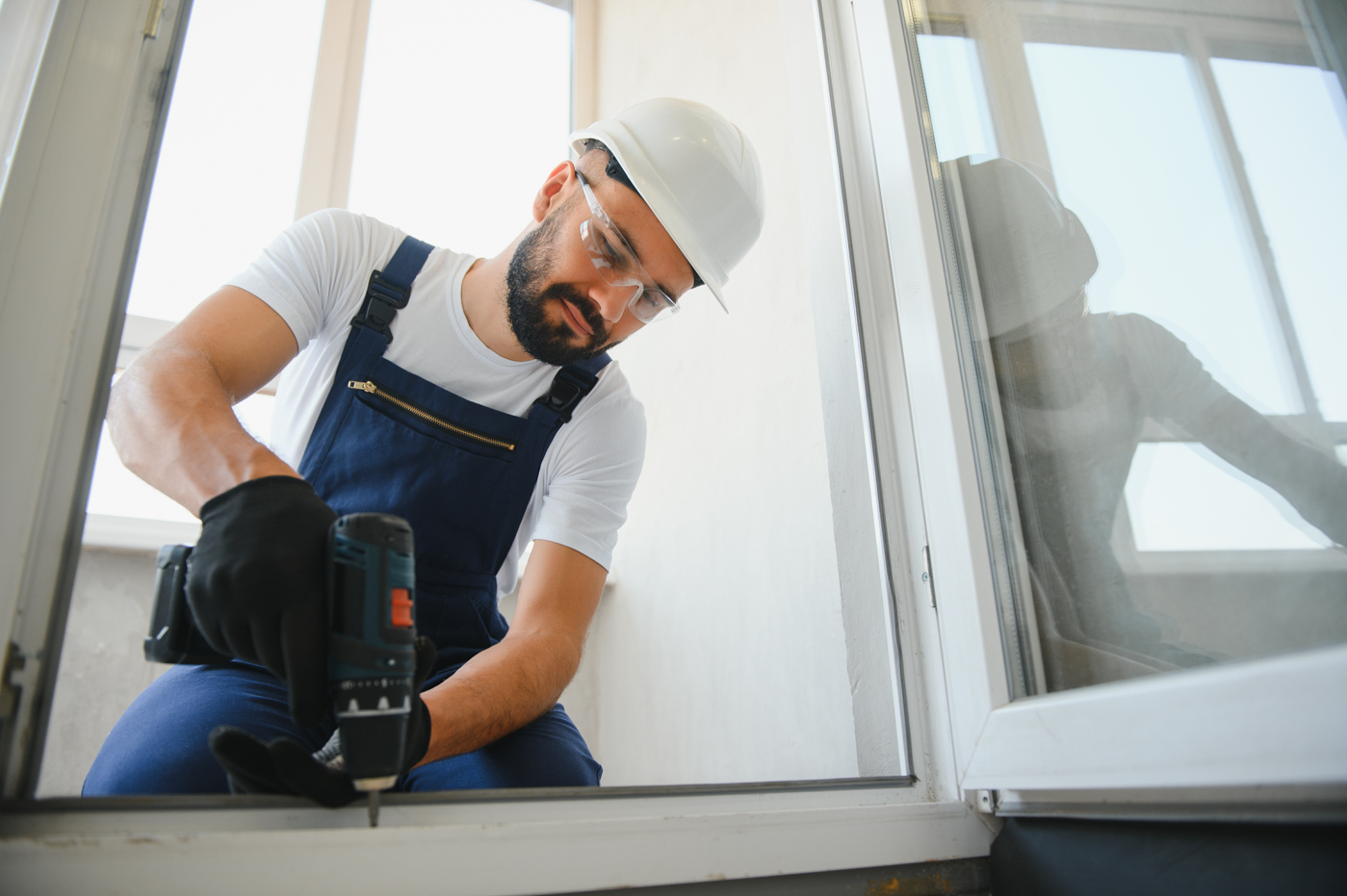
Choosing the Right Garage Door Spring: What Canadian Homeowners Should Know
Not all garage door springs are created equal. Selecting the appropriate type and quality of spring for your garage door can make a significant difference in performance, longevity, and safety. Whether you’re installing a new system or replacing a failed spring, it’s important to understand your options—especially in Canadian climates where temperature fluctuations can affect metal components.
Standard vs. High-Cycle Springs
Standard springs are rated for about 10,000 cycles, which may last 5 to 7 years depending on usage. High-cycle springs, however, can last 20,000 to 25,000 cycles, offering longer service life and better value over time. If your family uses the garage door frequently, investing in high-cycle springs is a smart move.
Galvanized vs. Oil-Tempered Springs
Canadian homeowners should also consider the material finish:
- Galvanized Springs: These are coated with zinc to resist rust, making them ideal for damp or coastal regions like British Columbia or Nova Scotia. However, they may lose tension faster over time.
- Oil-Tempered Springs: These are heat-treated with oil to improve strength and durability. They’re more resistant to wear and tear, making them a better choice for colder provinces like Alberta and Saskatchewan.
Custom Springs for Unique Doors
Homes with oversized or custom garage doors often require specially fabricated springs. These are designed to match the weight and dimensions of the door precisely. If your garage features insulated or wood-panel doors, or if you’ve had custom windows installed on the door, standard springs may not be sufficient. In such cases, it’s best to work with professionals who offer custom door and window installation services and can source the correct components for your setup.
Signs Your Garage Door Spring Is Failing
Many homeowners don’t realize their garage door spring is failing until it snaps. However, there are several warning signs that can help you act before the failure occurs. Catching these early can prevent costly emergency repairs and ensure your door continues to operate safely.
Slow or Jerky Door Movement
If your garage door opens more slowly than usual or moves in a jerky, uneven manner, the spring may be losing its tension. This is often one of the first signs of wear and tear.
Gap in the Spring Coil
Visual inspection can reveal a separation in the spring’s coil. A visible gap usually indicates that the spring has already snapped or is about to fail.
Heavy Door Feel
When operating the door manually, it should feel light and balanced. If it feels unusually heavy or requires more effort to lift, the spring may no longer be providing adequate counterbalance.
Unusual Sounds During Operation
Squeaking, grinding, or popping noises can suggest that the spring is under stress or not properly lubricated. These sounds should not be ignored, especially during colder Canadian months when metal contracts and is more prone to breakage.
How Garage Door Spring Issues Affect Other Home Systems
A malfunctioning garage door spring doesn’t just affect the door itself—it can have a ripple effect on other systems in your home, especially when it comes to energy efficiency, security, and the longevity of related equipment.
Impact on Garage Door Opener
When springs fail, the opener motor must work harder to lift the door. This can lead to motor burnout or gear damage, resulting in expensive repairs or the need for full replacement. In some cases, a malfunctioning door can also trigger false alarms in smart home systems.
Energy Loss and Insulation
A poorly functioning garage door may not seal properly, leading to air leaks. This is especially problematic in winter, as it increases energy costs and puts extra strain on your heating system. If your garage is attached to your home, this can also affect indoor temperatures and overall energy efficiency—particularly if you’ve invested in custom windows near me for better insulation elsewhere in your house.
Security Concerns
A door that doesn’t close fully or moves unpredictably can become a security risk, making it easier for intruders to gain access to your home. Broken springs may also cause the door to slam shut, damaging the door panels or affecting the alignment of door closers. If you notice issues with your door mechanics, it might be time to consider door closers repair in addition to spring replacement.
Garage Door Springs and Canadian Building Standards
In Canada, garage door systems—including springs—must meet specific safety and performance standards. These regulations are designed to protect homeowners from injury and ensure the structural integrity of the door system.
CSA and ULC Standards
The Canadian Standards Association (CSA) and Underwriters Laboratories of Canada (ULC) provide certification for garage door components, including torsion and extension springs. When replacing springs, always look for CSA or ULC-certified products to ensure compliance with national safety codes.
Provincial Variations
Building codes can vary between provinces. For example, in Ontario, garage doors must include safety cables if using extension springs, to prevent the spring from flying across the room if it snaps. In Alberta or Quebec, cold-weather durability is a key concern, so oil-tempered springs are often recommended. Consulting with professionals who understand local regulations ensures your system is compliant and safe.
Insurance Considerations
Some home insurance policies may not cover damage caused by neglected systems. Regular maintenance and documentation of professional installations or repairs—like those offered by Fortify Services—can help support future claims. If you’re upgrading your garage along with your windows or entry doors, bundling services like door and window installation can be a smart move both financially and for insurance purposes.
Garage Door Spring Warranties and Return on Investment
Understanding warranty coverage and the long-term return on your repair investment is essential when replacing garage door springs. Quality parts and professional service can pay off in the long run through fewer breakdowns and increased home value.
Manufacturer and Labour Warranties
Most reputable manufacturers offer warranties ranging from 1 to 5 years on springs, depending on the spring type and brand. High-cycle or premium springs often come with extended warranties. Additionally, professional installers may offer labour warranties, covering workmanship for one or more years. Always ask about both types of warranties before authorizing repairs.
Return on Investment
Replacing worn-out springs can improve the functionality, safety, and even curb appeal of your home—especially if bundled with other repairs. Compared to larger upgrades like the cost to replace front door or full window replacement, spring repair delivers a strong return on a relatively low investment. When properly maintained, new springs can last a decade or more, reducing the need for future intervention.
Bundling with Other Home Services
If your garage door issues coincide with other repair needs, consider scheduling multiple services together. For example, if you’re already looking into the cracked window repair cost or need general door and window repair, bundling services can save time and reduce overall labour charges.
Curtain Wall vs Window Wall: How It Affects Garage Design
Though more common in commercial buildings, some modern residential designs in Canada feature curtain walls or window walls that integrate with garage spaces. Understanding the difference can help when planning structural changes or upgrades that involve your garage.
What’s the Difference?
- Curtain Wall: A non-load-bearing exterior wall that hangs from the building structure. Often used in high-end homes with large glass facades, it doesn’t support the roof or floors above.
- Window Wall: A system where window units are installed between concrete slabs or framing. It provides better insulation and is often used in residential construction.
When integrating these systems with garage doors, especially glass-panelled or modern designs, spring strength and balance must be carefully calculated. If you’re moving toward a more architectural garage design, consult experts who are familiar with both window installation and garage door systems to ensure compatibility and safety.
Conclusion: Trust Fortify Services for Safe, Reliable Garage Door Spring Repairs
Garage door springs may seem like a small part of your home, but they play a big role in safety, convenience, and efficiency. When they fail, it’s not just a hassle—it can compromise your entire garage door system and even pose serious safety risks. That’s why knowing the signs of wear, understanding the cost of replacement in Canada, and choosing the right type of spring are crucial steps every homeowner should take.
Whether you’re dealing with a broken spring or planning a full system upgrade, Fortify Services is here to help. Our certified technicians offer expert door and window repair, installation, and inspection services across Canada, ensuring your home remains safe, functional, and efficient all year round.
Call us today to schedule your inspection or repair service—and experience the Fortify difference. From garage springs to custom windows, we’re your trusted local partner for dependable home solutions.