

Learn how to secure your home during Canadian disasters with expert advice on emergency preparedness, disaster security, and practical tips for crisis protection. This guide helps you safeguard your family and property with smart planning and reliable security measures.
Understanding Emergency Preparedness in Canada
Canada is home to diverse climates and landscapes, which means homeowners across the country face a variety of natural and human-made emergencies. From wildfires in British Columbia to ice storms in Quebec and flooding in the Prairies, it’s essential to prepare your home for any crisis. Emergency preparedness is more than just stocking up on supplies—it’s about having a complete security plan to protect your family, property, and peace of mind.
Why Emergency Preparedness Matters
Emergencies can strike without warning, disrupting daily life and putting your home at risk. Whether it’s a power outage, flood, wildfire, or even a break-in during a disaster, having a plan in place helps reduce panic and improves your ability to respond quickly. A home that’s properly secured can help prevent theft, injury, and property damage during uncertain times.
Types of Canadian Emergencies
Homeowners in Canada should prepare for a wide range of emergencies. These include:
- Natural disasters: Wildfires, floods, ice storms, earthquakes, tornadoes
- Man-made events: Power outages, gas leaks, chemical spills
- Security threats: Looting, break-ins, vandalism during crises
Each type of emergency requires specific strategies for home protection and disaster preparedness. Recognizing local risks is the first step in a solid security planning process.
Home Protection During Natural Disasters
When disaster strikes, your home becomes your first line of defence. Securing your property can prevent further damage and deter unauthorized access. Let’s explore how to prepare your home against various natural disasters common in Canada.
Flood Protection and Security
Flooding is one of Canada’s most frequent and costly natural disasters. Whether it’s from spring thaw, extreme rainfall, or rising rivers, water damage can be devastating. Here’s how to prepare your home:
Install Sump Pumps and Backwater Valves
Prevent basement flooding by installing a sump pump with a battery backup and a backwater valve to block sewage backup.
Elevate Electrical Systems
Raise electrical outlets, circuit breakers, and heating systems above potential flood levels to reduce electrical hazards.
Secure Doors and Emergency Locks
Install water-resistant emergency locks and reinforce entry doors to prevent forced access during chaotic situations. If you need expert locksmith advice, contact our certified technicians today.
Wildfire Protection
In provinces like Alberta and British Columbia, wildfires can spread rapidly and threaten entire neighbourhoods. Here’s how to prepare:
Create a Fire-Resistant Zone
Clear vegetation, leaves, and flammable materials within 10 metres of your home. Use fire-resistant building materials when possible.
Secure Windows and Vents
Install metal mesh screens over vents and use tempered glass for windows. This can prevent embers from entering your home.
Install Emergency Locks and Panic Hardware
Equip doors with panic bars and emergency locks that allow for quick exit but remain secure against intruders. For professional locksmith services, visit our locksmith services page.
Winter Storm and Ice Storm Security
Canadian winters bring heavy snow, freezing rain, and extreme cold. These conditions can cause power outages and make roads impassable, isolating homes for days. Here’s how to stay secure:
Reinforce Doors and Windows
Use weather stripping and storm shutters to block out cold and prevent damage from falling branches or flying debris.
Install Backup Power Systems
Keep your security systems running with a generator or battery backup. This ensures your emergency locks and alarm systems remain functional.
Check Roof and Gutter Strength
Heavy snowfall can cause roof collapses. Clean your gutters and inspect your roof to prevent ice dams and structural damage.
Disaster Security: Keeping Intruders Out
During emergencies, homes can become targets for looters or intruders. With emergency services stretched thin, strengthening your home’s crisis security becomes critical.
Upgrade to High-Security Locks
Standard locks may not withstand forced entry during a crisis. Consider installing:
- Deadbolts with reinforced strike plates
- Smart locks with remote access control
- Keyless entry systems for quick, secure access
If you’re unsure which locks suit your home, get expert locksmith guidance from Fortify Services.
Install Security Cameras and Alarm Systems
Surveillance cameras can deter criminals and help identify threats. Choose systems with backup power and cloud storage so you can access footage even during outages.
Establish Emergency Access Protocols
In case you’re away during an emergency, make sure someone you trust has access to your home. Use smart locks with temporary codes or provide a physical key stored in a secure lockbox.
Secure Outdoor Storage and Vehicles
Garages, sheds, and vehicles are often overlooked. Lock up tools, fuel, and equipment that could be stolen or used to break into your home. Consider motion sensor lights for extra security.
Security Planning for Canadian Emergencies
Planning ahead is the key to effective emergency preparedness. A detailed plan helps keep your family safe and ensures your home remains secure even when you’re not there.
Develop a Home Emergency Plan
Every household should have a written emergency plan that includes:
- Emergency contact numbers (police, fire, utilities, family)
- Evacuation routes and meeting points
- Roles and responsibilities for each family member
- Inventory of emergency supplies and tools
Prepare an Emergency Supply Kit
Your kit should be easy to carry and include:
- Non-perishable food and bottled water (3-day supply per person)
- Flashlights, batteries, candles, and matches
- First aid kit and prescription medications
- Cash in small denominations
- Spare keys, chargers, and backup power banks
Don’t forget to include personal documents and copies of insurance policies in a waterproof folder.
Practice Regular Drills
Test your emergency plan at least twice a year. Run through evacuation routes, test alarms and locks, and ensure everyone knows what to do. This builds confidence and reveals any weaknesses in your planning.
Consult Local Building Codes
Across Canada, building codes vary by province. For example:
- Ontario: Requires carbon monoxide detectors in residential homes
- British Columbia: Enforces strict wildfire mitigation standards
- Quebec: Mandates smoke alarms on every storey of a home
Check with your municipality to ensure your home meets local safety standards. If you need expert locksmith support to meet these codes, contact our certified technicians.
Neighbourhood Security Planning
Security planning doesn’t stop at your property line. Coordinate with neighbours to develop a community response plan. This might include:
- Neighbourhood watch programs
- Shared emergency supply storage
- Group communication channels like WhatsApp or radio
Working together strengthens your local network and increases collective safety during emergencies.
Protecting Entry Points with Emergency Locks
Entry points such as doors, windows, and garage entrances are vulnerable during emergencies. Installing the right emergency locks is a vital part of disaster security.
Choosing the Right Emergency Locks
Look for locks that provide both security and quick access. Some top choices include:
- Grade 1 Deadbolts: The highest rating for residential security
- Smart Locks: Allow remote locking/unlocking via smartphone
- Multipoint Locking Systems: Secure doors at multiple points for added resistance
Smart locks are especially useful for emergency access, allowing you to let in family members or emergency responders even if you’re not home.
Garage and Shed Security
These areas often contain tools or generators that are essential during emergencies. Secure them with:
- Heavy-duty padlocks
- Motion-activated lights
- Alarmed locks that alert you to tampering
Window Locks and Reinforcements
Many break-ins occur through ground-floor windows. Use keyed locks, window bars, or reinforced glass to prevent entry. Consider security film that prevents shattering during storms or attempted break-ins.
Secondary Exit Points
Don’t forget basement doors, side entrances, and balcony doors. These should be secured with the same level of protection as your front door.
If you’re unsure about the security of your entry points, speak with a professional locksmith from Fortify Services to assess and upgrade your locks.
Next Steps in Emergency Preparedness
Disaster preparedness isn’t a one-time task—it’s an ongoing responsibility. As climate events become more frequent and unpredictable, it’s crucial for Canadian homeowners to stay ahead with proactive crisis security measures. In the next section, we’ll explore advanced techniques for securing your home during and after disasters, including how to regain access with the help of an emergency locksmith, what to do if your locks are damaged, and how to rebuild your security after an incident.
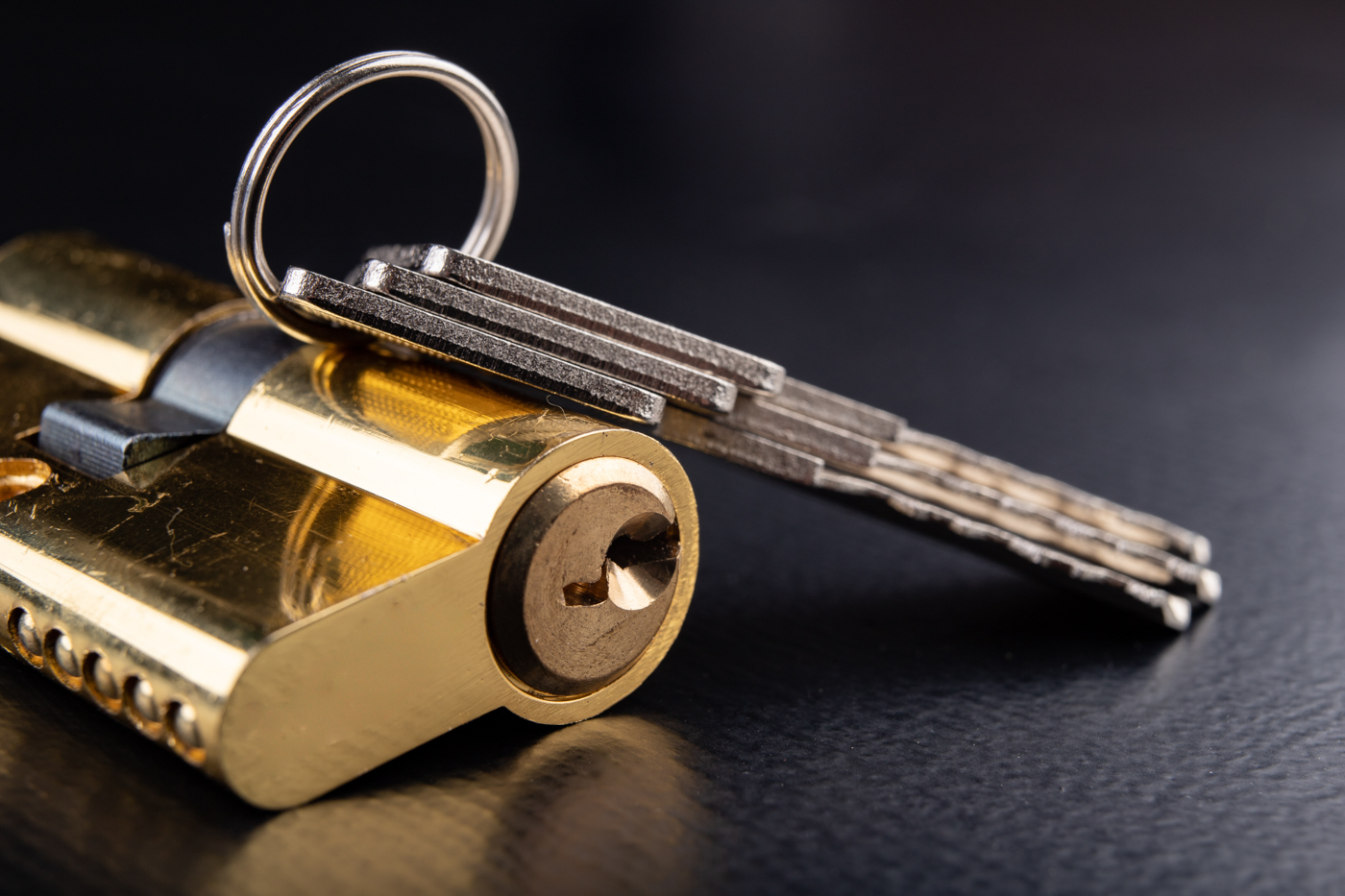
Advanced Emergency Locksmith Solutions During Disasters
When disaster hits, one of the most critical issues homeowners face is maintaining access to their property. Whether it’s due to damaged locks, power failures affecting smart systems, or misplaced keys during an evacuation, having a plan for emergency access is essential. That’s where emergency locksmith services become a vital part of your overall disaster security strategy.
When to Call an Emergency Locksmith
During Canadian emergencies, you may need professional locksmith services under several scenarios:
- Lost or damaged keys: Evacuations can lead to misplaced keys or keys left behind.
- Frozen or jammed locks: In winter storms, locks may freeze or malfunction.
- Break-ins: After a looting or burglary attempt, locks may be compromised.
- Power outages: Smart lock systems can fail or become inaccessible.
Trusted professional locksmith services like Fortify Services are available 24/7 to help restore emergency access and resecure your home when it matters most.
How Emergency Locksmiths Respond
Certified emergency locksmiths are trained to act swiftly and safely during disasters. Their services often include:
- Non-destructive entry using specialized tools
- On-site lock repair or replacement
- Rekeying locks after a security breach
- Installation of temporary or permanent locking solutions
Having an emergency locksmith on call ensures you never get locked out when seconds count. It also helps prevent further damage to doors or frames during forced access attempts.
Mobile Locksmith Capabilities
Many emergency locksmiths operate fully equipped mobile units. These vehicles carry all necessary tools and hardware to handle lockouts, replacements, and repairs on-site—even during poor weather or road closures. In rural Canadian towns or areas affected by wildfire or flooding, mobile locksmith support can be a lifeline for stranded homeowners.
Upgrading Locks After a Disaster
After a crisis, it’s wise to reassess your home’s security. An emergency locksmith can recommend upgrades such as:
- Anti-bump and anti-pick locks: Ideal for post-break-in protection
- Weather-resistant deadbolts: Designed for Canadian winters and moisture conditions
- Smart locks with battery backups: Maintain access even during power outages
If your locks were damaged during a disaster, our certified technicians can help repair or replace them quickly to restore your peace of mind.
Post-Disaster Home Security Recovery
Once the immediate danger has passed, your focus should shift to rebuilding and enhancing your home’s crisis security. This phase is just as important as your initial emergency preparedness efforts. Taking the right steps post-disaster can prevent further losses and better prepare your home for the next emergency.
Conduct a Home Security Assessment
Start by inspecting your home for damage or vulnerabilities. Check for:
- Broken windows or doors
- Damaged or rusted locks
- Malfunctioning alarm or camera systems
- Structural damage to entry points
A professional locksmith can help identify weaknesses you may overlook. For expert advice, contact Fortify Services for a full home security audit.
Reinforce Damaged Entry Points
After a disaster, doors and windows may be weakened or compromised. Reinforcing them is crucial for both home protection and insurance purposes. Consider:
- Steel reinforcement plates for door frames
- New lock installations with secure strike plates
- Window bars or laminated safety glass
Rekey or Replace Compromised Locks
If there’s any doubt that someone could have unauthorized access—due to lost keys, break-ins, or shared access—it’s best to rekey your locks. Rekeying is a cost-effective way to ensure only new keys work, while keeping existing hardware in place. If locks are too damaged, replace them with modern, high-security models.
Update Your Security Technology
After a disaster, many homeowners choose to upgrade to smarter, more resilient systems. Options include:
- Cloud-based surveillance: Access security footage remotely
- Smart locks with biometric access: Use fingerprints or facial recognition
- Integrated alarm systems: Connect to smoke, CO, and flood detectors
These upgrades improve both convenience and natural disaster security, especially in remote or frequently affected areas.
Regional Considerations for Canadian Emergencies
Emergency risks and building standards vary widely across Canada. Homeowners should tailor their emergency preparedness and security planning strategies based on local conditions and provincial codes.
British Columbia: Wildfire and Earthquake Preparedness
Residents in B.C. face both wildfire and seismic risks. Protective measures include:
- Earthquake-rated door frames and reinforced anchoring systems
- Fire-rated doors with commercial-grade locks
- Perimeter lighting and outdoor surveillance for smoke-dense environments
Prairies: Flooding and Tornado Risk
From Saskatchewan to Manitoba, spring floods and summer tornadoes are common. Secure your home with:
- Flood-resistant locks and door seals
- Reinforced storm doors with multipoint locking
- Secure basement windows with window well covers
Ontario and Quebec: Ice Storms and Power Outages
Heavy ice and snowstorms can knock out power for days. Maintain access and warmth with:
- Battery-operated smart locks and alarm systems
- Insulated entryways and weatherproof door hardware
- Portable lockboxes with spare keys for neighbours
Atlantic Provinces: Hurricane and Coastal Storms
In Nova Scotia, Newfoundland, and New Brunswick, preparation for strong winds and heavy rainfall is key. Protect your home with:
- Wind-rated doors with storm latches
- Window boards or hurricane shutters
- Water-resistant keypads and control panels
Long-Term Home Protection Strategies
Beyond immediate disaster preparation, long-term home protection involves consistent maintenance, smart upgrades, and community involvement. These ongoing efforts will help protect your investment and keep your family safe year-round.
Scheduled Security Inspections
Have your locks and security systems inspected annually. Over time, hardware can wear down or become outdated. A professional locksmith can:
- Test lock integrity
- Update firmware on smart systems
- Recommend improvements based on new threats
Seasonal Maintenance for Locks and Doors
Canadian weather can be harsh on home hardware. To prolong the life of your locks:
- Lubricate locks with graphite or silicone-based lubricants
- Check for rust, corrosion, or freezing issues
- Tighten loose screws and reinforce hinges
Community-Based Security Programs
Neighbourhood watch groups and emergency response teams can enhance disaster preparedness at the local level. Join or start a group that shares:
- Real-time updates during emergencies
- Tools and resources for temporary lock repairs
- Support for vulnerable residents and seniors
Emergency Contact Lists and Locksmith Access
Keep an updated list of emergency contacts, including your locksmith. Store it both digitally and in your emergency kit. You should also:
- Share access codes or spare keys with trusted individuals
- Use lockboxes for first responders (if required by local codes)
- Ensure your locksmith has your home’s security history for faster service
Conclusion: Be Prepared, Stay Secure
Disasters are unpredictable—but your response doesn’t have to be. With proactive emergency preparedness, reliable emergency locks, and expert support from trusted professionals, you can protect your home and loved ones through any Canadian crisis. From ice storms in Ontario to wildfires in B.C., the right security planning makes all the difference.
Whether you’re upgrading your locks, replacing a damaged entry system, or preparing for the next emergency, Fortify Services is here to help. Our team of certified locksmiths understands the unique challenges Canadian homeowners face and provides solutions tailored to your region and needs.
Don’t wait for disaster to strike. Contact Fortify Services today for professional locksmith services you can trust. Secure your home, protect your family, and gain peace of mind—whatever the weather brings.