

High energy bills, drafty rooms, and indoor moisture often point back to old windows and doors. This guide explains how modern windows can pay for themselves through energy savings, better comfort, and fewer repairs, while also covering smart maintenance tips like humidity control, measuring windows, and painting exterior doors.
Why Energy-Efficient Windows Save Canadian Homeowners Money
Many homeowners across Canada notice the same warning signs: cold drafts in winter, hot rooms in summer, foggy glass, and rising utility bills. In many cases, the real problem is not just your furnace or air conditioner. It is your windows. Older or damaged windows can let heated or cooled air escape, forcing your HVAC system to work harder every day.
That is why energy-efficient window upgrades often pay for themselves over time. Better insulation, improved seals, and modern glazing help maintain indoor temperatures more effectively. If you are planning home upgrades, professional window installation can be one of the smartest long-term investments for comfort and savings.
How windows affect heating, cooling, and indoor comfort
Windows are more than glass openings. They are part of your home’s thermal envelope. When they perform poorly, heat transfer increases. In winter, warm air escapes and cold air enters. In summer, the opposite happens. This can create uneven temperatures from room to room and make your home feel less comfortable no matter how high you set the thermostat.
In Canada’s climate, quality windows matter even more. From Ontario snowstorms to damp coastal weather in British Columbia and Prairie temperature swings, homeowners need products that can handle changing conditions. Features such as low-E coatings, multi-pane glass, insulated frames, and tight weatherstripping all help reduce energy loss.
The hidden cost of old or damaged windows
Some costs are obvious, like high monthly bills. Others are easier to miss. Leaky windows can lead to condensation, frame damage, mould risk, and discomfort near walls and floors. If seals fail or components wear out, you may not always need a full replacement right away. In some cases, expert window repair can restore performance and extend the life of your existing units.
This is especially important for homeowners trying to balance renovation budgets. A professional assessment can show whether repair or replacement will give you better value. Fortify Services helps homeowners make practical decisions based on condition, efficiency, and long-term return.
Signs your windows may be costing you money
- Drafts near closed windows
- Condensation between panes
- Difficulty opening or closing
- Visible frame rot or water damage
- Higher heating and cooling bills without another clear reason
- Rooms that feel too hot in summer or too cold in winter
If you notice several of these issues, it may be time to explore doors and windows services from a trusted Canadian team. Even small improvements can make a noticeable difference in comfort and energy use.
Moisture, Humidity, and the Role Windows Play in a Healthy Home
Energy efficiency is not only about temperature. It is also about moisture control. Many homeowners search for how to lower humidity in home conditions because excess moisture can make spaces feel sticky, damage materials, and affect indoor air quality. Your windows can either help manage this issue or make it worse.
How to lower humidity in house without major renovations
If your home feels damp, start with simple steps. Use bathroom and kitchen exhaust fans regularly, run a dehumidifier in problem areas, and make sure dryer vents lead outside. Keep air circulating with ceiling fans and open blinds to reduce cold surface condensation in winter.
Another key step is checking your windows for leaks and failed seals. Moisture around frames can raise indoor humidity and encourage mould growth. If you are wondering how to lower humidity in house effectively, remember that controlling air leaks and improving insulation are just as important as removing moisture from the air.
Quick tips for homeowners asking how to lower humidity in house fast
- Turn on exhaust fans during showers and cooking
- Use a portable dehumidifier in basements or bedrooms
- Fix window and door leaks promptly
- Avoid drying clothes indoors when possible
- Keep indoor relative humidity around 30% to 50%
For anyone searching how to lower humidity in house fast, these steps can help right away. Still, if old windows are allowing condensation and drafts, the problem may return until the units are repaired or replaced.
Why condensation on windows should not be ignored
A little condensation may happen during very cold Canadian winters, especially when indoor humidity is high. But heavy or frequent moisture on glass, sills, or frames can signal a bigger issue. Poor ventilation, weak insulation, or failing windows may all be involved.
When indoor air meets a cold glass surface, water forms. Over time, that moisture can damage trim, paint, and drywall. This is one reason homeowners researching how to lower humidity in home settings should also inspect window performance. Better windows keep interior glass warmer, reducing the chance of condensation.
Canadian building standards and best practices increasingly focus on energy efficiency, air sealing, and moisture control. Upgrading windows supports all three goals while helping protect your home from long-term damage.
Smart Maintenance Tips That Protect Your Investment
New or repaired windows deliver the best value when paired with proper maintenance. The same goes for entry doors, which also affect insulation, curb appeal, and weather protection. A few simple skills can help homeowners stay ahead of small problems and make better renovation decisions.
How to measure a window before repair or replacement
If you are comparing products or booking service, it helps to know how to measure a window correctly. Start by measuring the width in three places: top, middle, and bottom. Then measure the height on the left, centre, and right. Use the smallest measurement in each set for a more accurate starting point.
When homeowners ask how to measure windows, the biggest mistake is assuming every opening is perfectly square. Older homes in Canada often shift slightly over time, so professional verification is still important before ordering custom units. Accurate measurements help avoid installation delays, air leaks, and added costs.
Basic measuring checklist
- Measure from inside the frame, not the trim
- Record width and height in millimetres or inches
- Check depth if you are replacing the full unit
- Note any damage, rot, or uneven framing
Knowing how to measure a window is useful for planning, but expert installers will always confirm final dimensions on site.
Door upkeep matters too: paint, seals, and performance
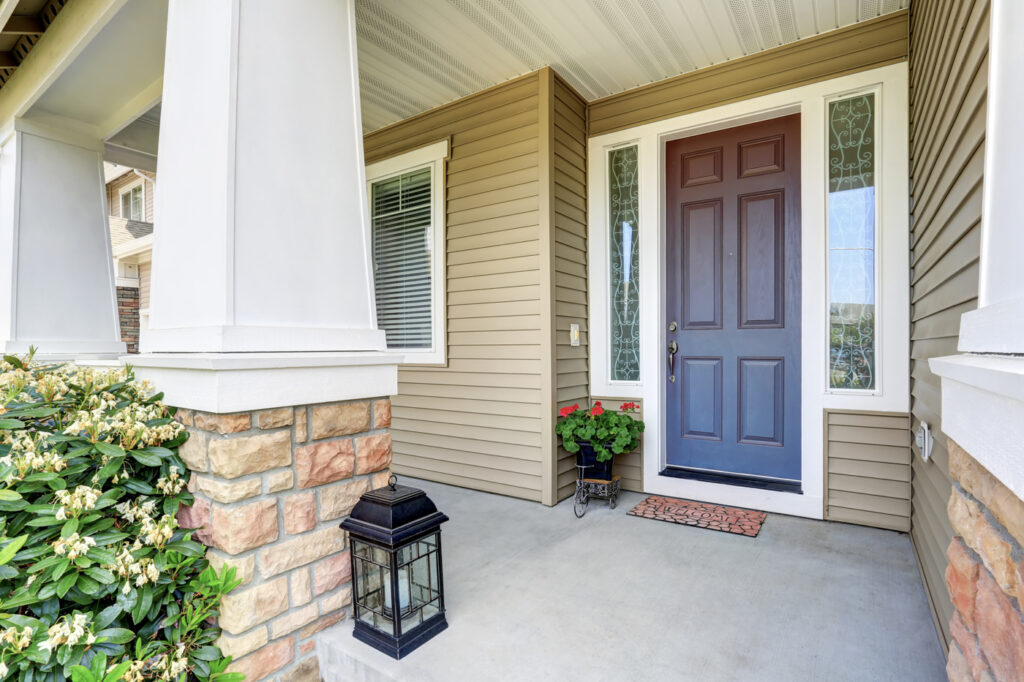
Your front door also affects energy savings. Worn weatherstripping, gaps, or peeling paint can reduce performance and shorten the life of the door. Many homeowners ask how to paint a front door to improve appearance, but the process also helps protect the surface from moisture and seasonal wear.
If you want to know how to paint an exterior door, start by cleaning the surface, removing loose paint, sanding lightly, and applying the right primer. Then use an exterior-grade paint designed for Canadian weather. Homeowners searching how to paint exterior door surfaces should also check the bottom sweep and side seals while the door is open. A fresh coat of paint looks great, but tight seals are what help reduce drafts.
In some cases, cosmetic work is not enough. If the door sticks, leaks air, or has frame damage, professional door repair services may be the better solution. And if your current entry system is outdated, modern doors installation can improve both efficiency and curb appeal.
Whether you are dealing with humidity, measuring for upgrades, or learning how to paint a front door properly, the bigger goal is the same: protect your home and lower long-term costs. With the right windows and doors, Canadian homeowners can enjoy better comfort, stronger energy performance, and real value year after year.
What to Look for in Windows That Truly Pay for Themselves
Not every window upgrade delivers the same return. If your goal is lower energy bills and better comfort, it helps to understand which features matter most. For Canadian homeowners, the best-performing windows are designed to reduce heat loss in winter, limit solar heat gain in summer, and stand up to moisture, wind, and temperature swings.
Features that improve energy savings
When comparing options, look for double- or triple-pane glass, low-E coatings, insulated frames, and quality spacers between panes. These features work together to slow down heat transfer. Strong locks, durable weatherstripping, and airtight installation also make a big difference. Even a high-quality product can underperform if it is not installed correctly.
This is why many homeowners choose professional window installation instead of treating replacement like a simple DIY project. Proper fitting helps prevent drafts, water intrusion, and early wear, all of which affect long-term value.
Repair or replace: how to make the smart choice
In some cases, a full replacement is the best investment. In others, repair is enough to restore performance. If the frame is solid and the issue is limited to hardware, seals, or minor air leaks, a repair may be more cost-effective. If the unit has major rot, repeated condensation between panes, or ongoing structural issues, replacement usually offers better long-term savings.
Homeowners often wait too long because the damage seems small. But a sticking sash, cracked seal, or soft frame can slowly increase energy loss over time. If you need expert help deciding, trusted window repair services can identify whether your current windows still have useful life left.
How Canadian conditions affect window performance
Climate matters. A home in Alberta may deal with dry cold and sharp temperature drops, while a home in Nova Scotia may face wind-driven rain and coastal moisture. Ontario and Quebec homeowners often deal with both humid summers and freezing winters. That is why energy-efficient windows should be chosen with local conditions in mind.
Canadian standards and product ratings can help guide your decision, but installation quality is still just as important as the label on the glass. Good windows should help control indoor comfort, support efforts around how to lower humidity in home spaces, and reduce strain on your heating and cooling system all year.
Small Home Improvement Decisions That Support Bigger Energy Savings
Window upgrades do not work in isolation. They perform best when paired with smart maintenance and practical improvements around the home. For many households, lower utility bills come from a combination of better products, better sealing, and better daily habits.
Why doors matter as much as windows
Your entry door is another major part of the building envelope. If it leaks air, has worn seals, or no longer closes tightly, it can reduce the benefits of efficient windows nearby. Homeowners who focus only on glass sometimes miss the bigger picture.
If your front entry feels drafty or shows signs of water damage, professional door repair services can help restore performance without unnecessary replacement. In other cases, newer insulated doors offer better sealing, improved security, and a cleaner finish that boosts curb appeal at the same time.
How to paint a front door the right way
Many Canadian homeowners ask how to paint a front door because it is one of the quickest ways to refresh the outside of a home. It also helps protect the surface from moisture and sun exposure. If you are learning how to paint an exterior door, start by choosing a dry day with moderate temperatures. Remove dirt, lightly sand the surface, and use a primer if the old finish is peeling or if you are changing colours.
Use a high-quality exterior paint made for doors and trim. When people search how to paint exterior door surfaces, they often focus only on colour, but prep work is what affects durability most. Be sure to paint edges where needed and inspect the weatherstripping while the door is open. If the finish looks rough because the slab is warped or damaged, paint alone may not solve the issue.
Simple painting tips that last longer
- Clean and dry the surface fully before painting
- Sand glossy areas so primer and paint can bond properly
- Use thin, even coats instead of one heavy coat
- Check seals, hinges, and the door sweep during the project
If the door is beyond cosmetic improvement, modern doors installation may be a better investment for comfort and efficiency.
Why accurate measuring protects your budget
Before ordering new units, many homeowners want to know how to measure a window on their own. It is a useful planning step, especially when comparing styles and costs. As covered earlier, the basic process is to measure width and height in three places and use the smallest numbers. That is the simplest answer to how to measure windows accurately at the early planning stage.
Still, measuring is not only about size. You should also note frame condition, wall depth, and any signs of shifting or water damage. In older Canadian homes, openings are not always perfectly square. That is one reason why homeowners who search how to measure a window should still rely on a professional final assessment before ordering custom products.
Long-Term Value: Comfort, Moisture Control, and Lower Bills
The real payoff from better windows and doors is not only found on a monthly utility statement. It also shows up in everyday comfort, quieter rooms, fewer drafts, and less worry about condensation and damage. Homes that hold their temperature more consistently tend to feel healthier and easier to manage through every season.
Better windows can help with indoor humidity issues
If you have been researching how to lower humidity in house conditions, upgrading weak windows may be part of the answer. While ventilation and dehumidifiers help, old glass and poor seals often create cold surfaces where condensation keeps returning. Improved windows keep interior surfaces warmer, which can reduce moisture build-up in winter.
For homeowners wondering how to lower humidity in house fast, the quickest steps are still good ventilation, using fans, and managing moisture sources. But if the same rooms stay damp year after year, your windows and doors may be contributing to the problem. A full inspection can reveal hidden air leaks, failed seals, or frame issues that make humidity harder to control.
When to bring in a professional
There is real value in DIY home care, especially for tasks like checking seals, cleaning tracks, learning how to paint an exterior door, or understanding how to measure windows before a quote. But when there are signs of structural wear, fogging between panes, major drafts, or recurring moisture, professional service is the safer choice.
Fortify Services helps Canadian homeowners find practical solutions that match their budget and goals. Whether you need repairs, replacement, or guidance on the best next step, experienced technicians can help protect your home’s energy performance for the long term.
Energy savings are not a gimmick when the right windows and doors are chosen and installed properly. They can reduce heat loss, improve comfort, support efforts around how to lower humidity in home spaces, and cut down on future repair costs. If your home is showing signs of drafts, condensation, or rising utility bills, contact Fortify Services for trusted advice and reliable doors and windows solutions across Canada.