
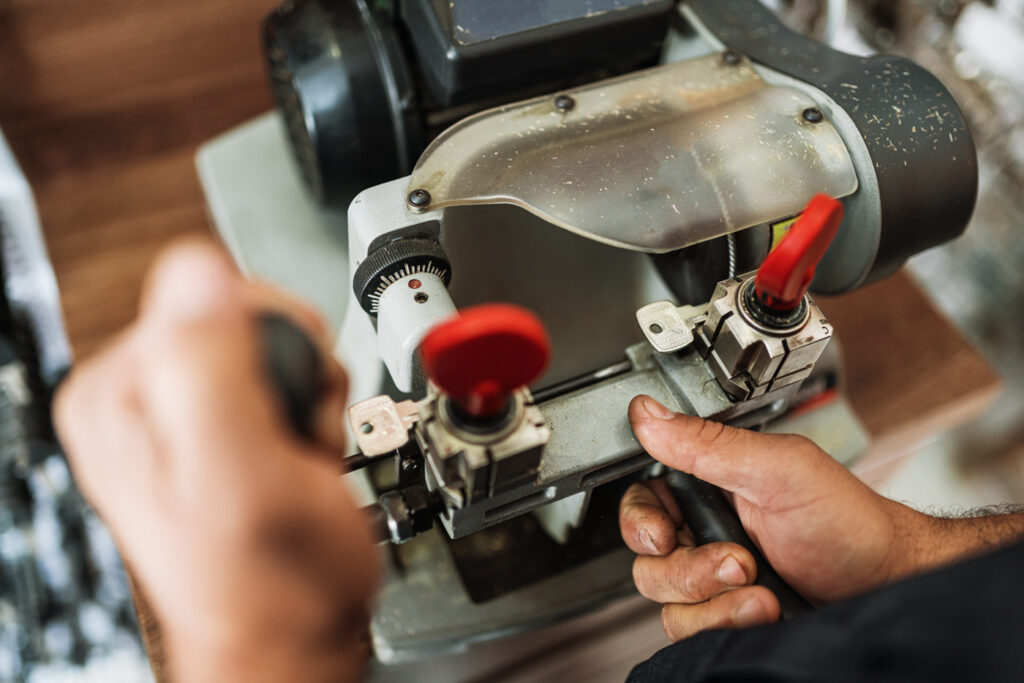

Wondering if high-security locks are worth the cost? This in-depth guide explains the benefits, features, and real-world value of premium locks, helping Canadian homeowners decide if investing in advanced lock technology is the right move for their home security.
Understanding High-Security Locks: What Sets Them Apart?
When it comes to protecting your home and family, not all locks are created equal. In Canada, home break-ins remain a concern for many homeowners, with thousands of reported incidents each year. Investing in high security locks can make a major difference in your overall residential security. But what exactly makes a lock “high-security”?
What Are High-Security Locks?
High-security locks are advanced locking mechanisms designed with enhanced security features that resist common break-in techniques. These locks are built with stronger materials, tighter tolerances, and more complex keyways than standard locks. They often come with patented key control systems, making unauthorized duplication nearly impossible.
Key Characteristics of Premium Locks
- Drill Resistance: Hardened steel inserts make it difficult for burglars to drill through the lock.
- Pick Resistance: Complex internal mechanisms that resist lock-picking tools.
- Bump Resistance: Specialized pins prevent bump key attacks.
- Key Control: Patented keyways prevent key duplication without authorization.
- Reinforced Hardware: High-quality materials ensure durability and strength.
These features work together to provide superior protection levels that standard locks simply can’t match.
How Lock Grades Affect Security Levels
In Canada, locks are graded according to ANSI/BHMA standards, which classify locks based on durability and lock security levels. Here’s how they’re categorized:
- Grade 1: Highest level of security. Typically used in commercial settings but available for residential use.
- Grade 2: Mid-level security. Suitable for residential use with moderate traffic.
- Grade 3: Basic residential use. Offers the lowest level of protection.
Most advanced locks fall under the Grade 1 or Grade 2 categories, offering stronger resistance to forced entry and wear over time. If you’re looking for a security upgrade, checking the grade of your current locks is a good place to start.
Comparing Standard Locks vs. High-Security Options
| Feature | Standard Lock | High-Security Lock |
|---|---|---|
| Material Quality | Zinc, brass, or basic alloys | Hardened steel, reinforced alloys |
| Drill Protection | Minimal | Advanced drill-resistant plates |
| Key Control | Keys easily duplicated | Restricted keyways, patent-protected |
| Pick Resistance | Low | High |
| Lock Grade | Grade 3 (basic) | Grade 1 or 2 (premium) |
Clearly, high-security locks outperform standard ones in nearly every category. For Canadian homeowners looking to boost residential security, the differences are too significant to ignore.
Evaluating the Real-World Benefits of High-Security Locks
A common question we get at Fortify Services is, “Are high security locks really worth the investment?” The short answer: yes—especially when you consider what’s at stake. In this section, we’ll look at how these locks improve your home’s security in everyday scenarios.
Enhanced Protection Against Break-Ins
Most home invasions happen quickly and quietly. Burglars often look for easy targets with weak locks or poorly secured doors. Premium locks make your home a much harder target. In fact, many criminals avoid homes with visible signs of advanced locks or reinforced doors.
Features like anti-drill plates, bump-proof pins, and reinforced strike plates significantly delay or prevent entry. These extra seconds—or minutes—can be enough to scare off intruders or alert neighbours.
Peace of Mind for Homeowners
There’s no dollar value that can truly match the peace of mind that comes from knowing your home is secure. Whether you live in a busy urban area or a quiet rural community, protecting your loved ones and property is a top priority.
High-security locks offer confidence that your entrances aren’t the weak point of your home’s defence. This is particularly important for families with children, seniors, or individuals living alone.
Insurance Benefits and Risk Reduction
Did you know that some home insurance providers in Canada offer discounts for homes equipped with high security locks? By reducing the risk of break-ins, these locks can lower your premiums or help you qualify for better coverage options.
Even in cases where a break-in attempt does occur, the damage is often limited thanks to the lock’s resistance to tampering. That means lower repair costs and faster recovery.
Long-Term Cost Efficiency
While premium locks come with a higher upfront cost, they’re built to last. Unlike standard locks, which may wear out or fail after a few years, high-security models are designed for long-term use. Fewer replacements mean lower long-term maintenance costs.
Additionally, because these locks are extremely difficult to pick or bump, there’s less chance you’ll need emergency locksmith services due to lockouts or attempted tampering.
If you need expert locksmith advice or installation, contact our certified technicians for reliable support across Canada.
Choosing the Right High-Security Lock for Your Home
With so many options available, selecting the right high security lock can feel overwhelming. The key is to focus on your specific needs, home layout, and budget. Here’s how to narrow it down.
Identify Your Security Priorities
Start by evaluating what areas of your home need the most protection. For example:
- Front and Back Doors: Should have top-grade locks with reinforced hardware.
- Garage Entrances: Often overlooked but are common break-in points.
- Basement Doors: Should include locks resistant to prying or drilling.
If your neighbourhood has experienced recent break-ins or if you store valuables at home, investing in the highest protection levels is a smart move.
Mechanical vs. Electronic High-Security Locks
High-security locks come in both traditional mechanical and modern electronic forms. Each has its advantages:
Mechanical High-Security Locks
- Reliable and durable
- No batteries or electronics to maintain
- Patented keys prevent unauthorized copies
Electronic High-Security Locks
- Keyless entry options (PIN codes, biometrics)
- Remote access and smart home integration
- Activity logs for added accountability
For tech-savvy homeowners or those who travel often, electronic locks offer convenience and advanced lock technology. However, mechanical locks remain a trusted option for those who prefer a traditional approach with robust security features.
Top Brands Recommended by Canadian Locksmiths
At Fortify Services, we work with some of the most trusted names in the industry. Here are a few high-security lock brands known for quality:
- Medeco: Offers patented key control and high resistance to physical attacks.
- Mul-T-Lock: Features telescopic pins and interactive keys for superior security.
- ASSA ABLOY: Known for innovation in both mechanical and electronic lock systems.
- Schlage Primus: Combines standard and side pin technology to resist picking and drilling.
If you’re unsure which brand suits your needs, for professional locksmith services, our experts can guide you through choosing and installing the best fit for your home.
Compliance with Canadian Building Codes
When upgrading your locks, make sure they comply with Canadian building and fire codes. For example, some provinces require that exterior locks on multi-unit dwellings be easily operable from the inside without a key for emergency egress.
Our certified technicians at Fortify Services ensure all installations meet provincial standards while maximizing your security investment.
When to Consider a Security Upgrade
You don’t have to wait until a break-in happens to think about improving your home’s security. Often, the signs that it’s time for a security upgrade are subtle but important.
Your Current Locks Are Outdated or Worn
Over time, locks degrade due to exposure, usage, and wear. If your locks feel loose, sticky, or have visible rust, they’re no longer providing optimal protection. Older locks may also lack modern security features, making them easy targets for intruders.
You’ve Recently Moved or Experienced a Break-In
If you’ve just bought a new home, changing the locks is an essential first step. You can’t be sure how many copies of the keys exist or who might have access. Similarly, after a break-in attempt, upgrading to high security locks can prevent future incidents.
Your Neighbourhood Has Seen Increased Crime
Even if your home hasn’t been targeted, a rise in local crime is a strong signal to invest in stronger lock security levels. Speak to neighbours, check community reports, and take proactive steps before an incident occurs.
You Want to Improve Home Value
Security upgrades can also boost your home’s resale appeal. Buyers are more likely to choose a property that demonstrates attention to safety. Premium locks send a clear message that your home is well-maintained and protected.
Need help installing new locks? If you need expert locksmith services, Fortify Services is here to help homeowners across Canada with trusted, professional solutions.
Installation Tips for High-Security Locks
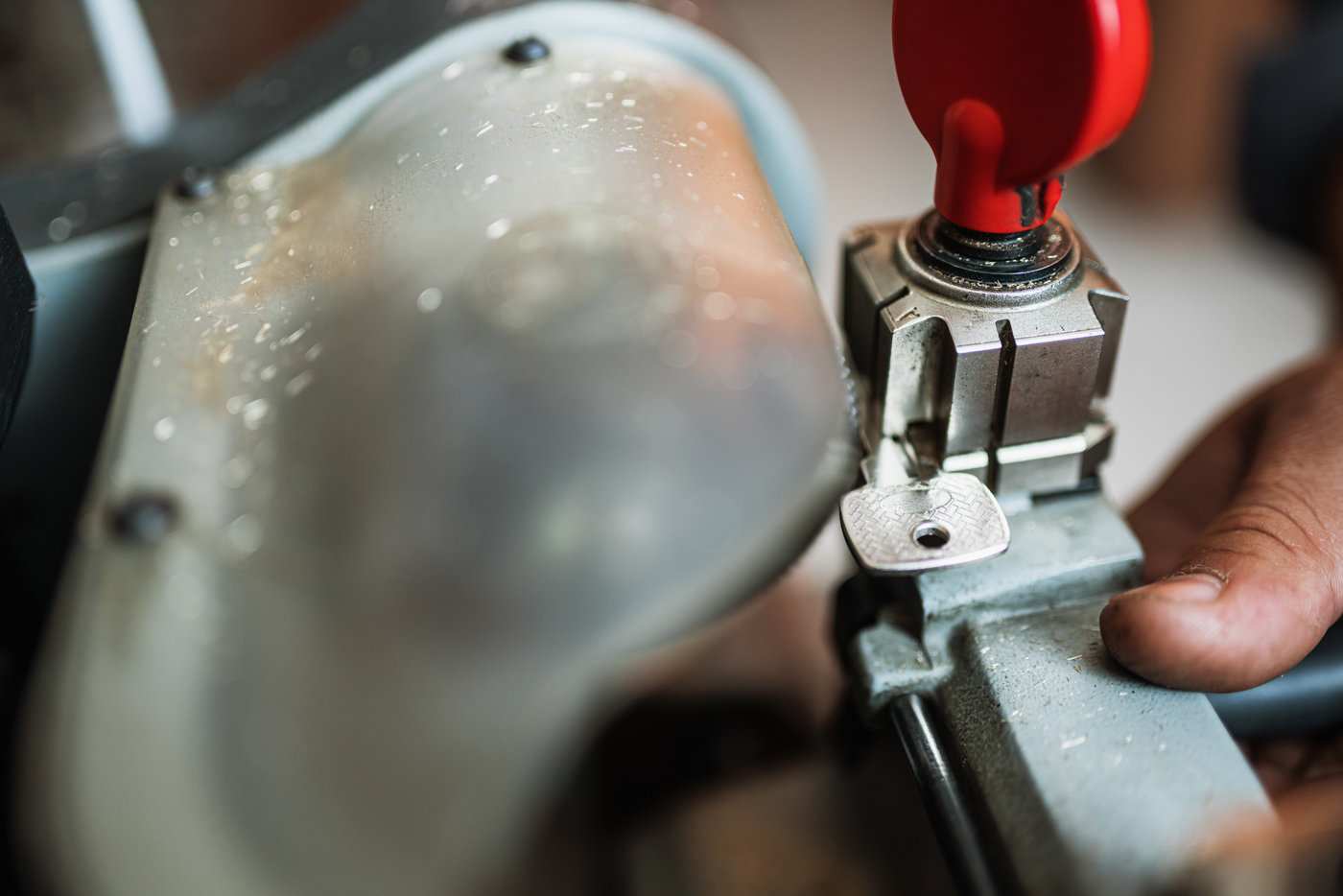
Proper installation is just as important as the quality of the lock itself. Even the most advanced high security locks won’t perform well if they’re not installed correctly. Whether you’re a DIY-savvy homeowner or hiring a professional, understanding the installation process helps ensure you get the most out of your security investment.
DIY Installation vs. Professional Help
Some homeowners feel comfortable handling basic lock installations, especially for interior doors or low-risk areas. However, premium locks—especially those with advanced lock technology—require precision and expertise.
Reasons to Consider Professional Locksmith Services
- Ensures correct alignment and secure mounting
- Verifies compatibility with your door type and frame
- Prevents accidental damage to expensive locks
- Includes testing of all security features
- Meets provincial safety and fire code requirements
If you’re unsure about the installation process or want guaranteed results, our certified technicians at Fortify Services are here to help. We provide professional guidance and secure installation for homeowners across Canada.
Common Installation Mistakes to Avoid
Even small errors during installation can compromise your residential security. Watch out for these common issues:
- Misaligned Strike Plates: If the strike plate doesn’t line up with the latch, the lock may not fully engage.
- Loose Screws: Over time, vibration or frequent use can loosen hardware, reducing protection levels.
- Incorrect Backset: Using the wrong backset measurement can prevent the lock from fitting securely in your door.
- Non-reinforced Frames: Without reinforcement, even a top-grade lock can be bypassed with force.
To get the most out of your security upgrade, always read the manufacturer’s instructions carefully or opt for professional locksmith services for peace of mind.
Maintaining Your High-Security Locks
Once your locks are installed, maintenance is key to keeping them in optimal working condition. Regular upkeep ensures they continue to provide high protection levels and long-term durability.
Routine Maintenance Tips
Here are some simple steps homeowners can take to maintain their advanced locks:
- Lubricate the Lock Cylinder: Use a graphite-based lubricant every six months to keep the internal pins moving smoothly.
- Inspect for Wear and Tear: Check for signs of rust, loose screws, or misalignment.
- Clean the Exterior: Wipe down handles and keyholes with a damp cloth to remove dirt and grime.
- Test Keys Regularly: Ensure all keys still work properly and don’t stick or jam.
For electronic high-security locks, also check battery levels and software updates if applicable. Staying on top of maintenance can prevent malfunctions and extend the life of your security investment.
When to Call a Locksmith
If you notice any of the following issues, it may be time to consult a locksmith:
- Key no longer turns smoothly
- Lock feels loose or wobbly
- Electronic keypad is unresponsive
- You’ve lost a patented key and need a secure replacement
In these cases, our certified technicians can assess and repair your lock quickly, ensuring your home remains protected.
High-Security Locks for Different Home Types
Not all homes are built the same, and neither are their security needs. Whether you’re living in a detached home, townhouse, condo, or rural property, there’s a high security lock solution for you.
Detached Homes
Detached homes often have multiple entry points, including front, back, side, and garage doors. This makes them a target for intruders, especially in low-traffic areas.
Recommended Lock Features
- Grade 1 or Grade 2 deadbolts with reinforced strike plates
- Patented key systems to prevent unauthorized duplication
- Smart locks for remote monitoring and control
Townhouses and Duplexes
These homes typically share walls with neighbours but have separate entrances. Consider premium locks for both front and rear access points to reduce vulnerability.
Recommended Lock Features
- Bump-resistant deadbolts for all exterior doors
- Smart locks for entry convenience and flexibility
- Strike box reinforcement kits for added strength
Condos and Apartments
In multi-unit buildings, front door security is critical. However, lock upgrades must comply with strata rules and fire safety codes.
Recommended Lock Features
- High-security cylinder lock with key control
- Fire code-approved single motion exit locks
- Electronic locks for added access control
Always consult your property manager or building authority before upgrading to ensure compliance with local regulations.
Rural Properties and Cottages
Isolated or seasonal properties are often targeted due to their remote locations. Advanced locks can help protect your valuables when you’re not there year-round.
Recommended Lock Features
- Mechanical high-security deadbolts for reliability
- Weather-resistant materials for outdoor durability
- Smart locks with remote alerts and monitoring
Whether you’re securing your primary residence or a vacation home, Fortify Services offers professional locksmith services tailored to your needs and property type.
Cost vs. Value: Is It Really Worth It?
One of the biggest concerns for homeowners is cost. High-security locks tend to be more expensive than standard models—but what do you really get for the extra dollars?
Initial Cost Breakdown
- Standard Lock: $30–$80 per lock
- High-Security Mechanical Lock: $150–$300 per lock
- High-Security Smart Lock: $250–$500 per lock
Installation may add $100–$200 per lock if done professionally, depending on complexity and region.
What You Get in Return
- Higher Lock Grades: Longer-lasting, more durable materials
- Reduced Risk: Less chance of break-ins or lock failure
- Peace of Mind: Confidence in your home’s defences
- Insurance Premium Savings: Some insurers offer discounts for enhanced security
- Fewer Replacements: Long-term cost savings over time
When you add up the potential savings from reduced theft, lower insurance rates, and fewer lock replacements, the return on investment becomes clear. A one-time security upgrade can protect your home for years to come.
Conclusion: Making the Right Security Investment
At the end of the day, your home’s security is not something to take lightly. While standard locks may seem adequate, they often fall short when it counts. High security locks offer a level of protection, durability, and control that standard models simply can’t match.
Whether you’re looking for peace of mind, increased home value, or stronger protection for your loved ones, upgrading your locks is one of the most effective steps you can take. From lock grades to security features, investing in premium locks is a decision that pays off in both safety and confidence.
Not sure where to start? If you need expert locksmith support, Fortify Services proudly serves homeowners across Canada with trusted, local expertise. Our team of certified professionals is ready to help you choose and install the best high security locks for your home.
Don’t wait until it’s too late—take action today to secure your home with the protection it deserves.