
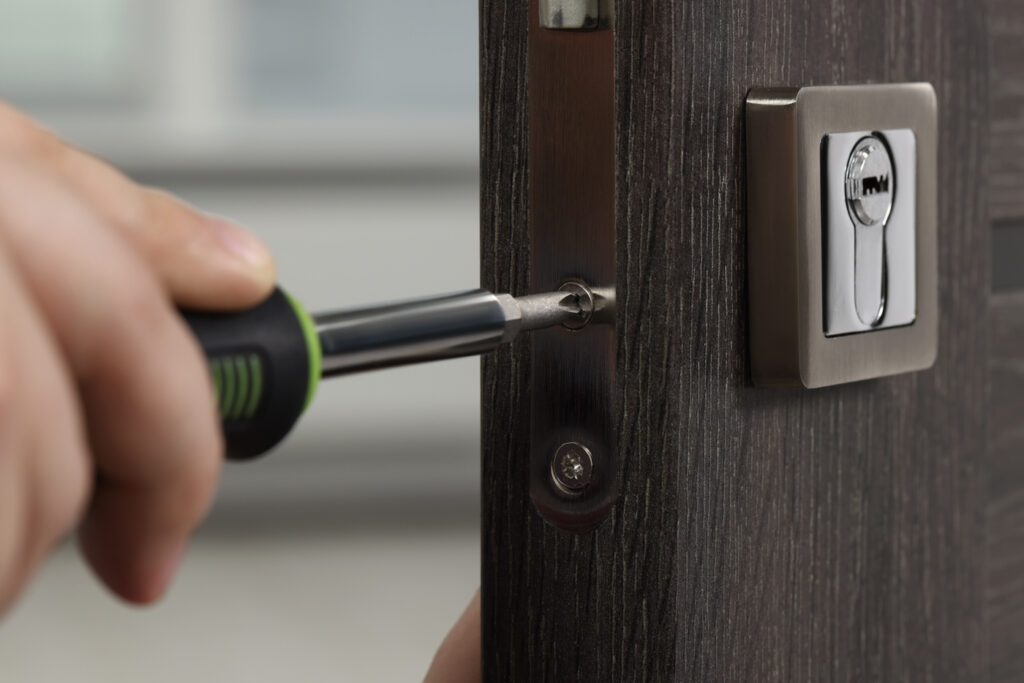

Temporary lock solutions can help protect event spaces, renovation projects, and active job sites across Canada. In this guide, you’ll learn how temporary locks, portable locks, and short-term access systems improve site security, control entry, and reduce risk while keeping access practical for staff, vendors, and homeowners.
Why Temporary Lock Solutions Matter for Events and Construction Sites
Temporary locks are a practical way to secure a property when permanent hardware is not installed yet, when access needs change often, or when many people need to come and go for a short period. For Canadian homeowners, property managers, and contractors, these temporary solutions can make a big difference in both safety and convenience.
At an event, you may need event security for storage rooms, vendor booths, backstage areas, gates, or temporary offices. On a renovation or building site, construction security often depends on controlling who can enter tool rooms, trailers, side doors, and unfinished spaces. In both cases, portable locks and mobile security options help reduce theft, limit liability, and keep things organized.
Short-term locks are especially useful when a site changes day by day. A door that needs open access in the morning may need restricted access by evening. A temporary access plan allows you to adjust quickly without replacing full lock systems. If you need help choosing the right setup, professional locksmith services can assess the property and recommend practical options that suit your timeline and budget.
Common situations where temporary locks help
Temporary lock solutions are useful in many real-life situations, including:
- Home renovations where contractors need limited access
- Outdoor and indoor community events
- Construction sites with changing crews and suppliers
- Vacant homes waiting for sale or repair
- Emergency board-up situations after break-ins or storm damage
- Storage areas holding tools, equipment, or event supplies
These setups support stronger site security without forcing you into a permanent system too early. They also help homeowners protect personal belongings while still allowing trades, event staff, or inspectors to do their work.
How temporary access improves safety and control
One of the biggest benefits of temporary access is control. Instead of handing out house keys or leaving doors unlocked, you can decide exactly who enters and when. This is important for event security, where volunteers, vendors, cleaners, and organizers may all need different levels of access. It also matters for construction security, where multiple trades may be on-site over several weeks.
Good access control can also support insurance requirements and reduce disputes. If tools go missing or restricted areas are entered, a proper lock setup shows that reasonable steps were taken to protect the property. In some cases, local rules, fire safety requirements, and building standards may affect what type of locking hardware can be used, especially on occupied buildings. In Canada, locks should never interfere with safe emergency exits.
Types of Temporary Locks and Portable Locks for Short-Term Use
Not all temporary locks work the same way. The right choice depends on the type of door, how long the lock is needed, who needs access, and whether the space has power or internet. A trusted event locksmith or construction locksmith can help match the hardware to the job, but it also helps to understand the main options.
Mechanical temporary locks
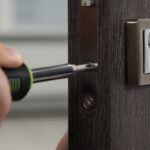
Mechanical locks are a simple and reliable option for short-term locks. These may include padlocks, hasps, knob covers, temporary deadbolts, gate locks, or lockable latch systems. They are often used where power is not available and where weather resistance matters.
For construction security, heavy-duty padlocks on site gates, storage containers, and trailers are common. For event security, a mechanical lock may be enough for supply closets, fencing panels, or check-in stations. These locks are affordable and easy to install, but key control is important. If too many copies are shared, security can weaken quickly.
Best uses for mechanical options
- Tool sheds and job site containers
- Temporary fencing and gates
- Storage rooms at event venues
- Detached garages during renovations
If you are unsure which hardware fits a specific door or enclosure, expert locksmith support can prevent damage and make sure the lock is installed securely.
Keypad and smart portable locks
Portable locks with keypad or smart features are becoming more popular because they make temporary access easier to manage. Instead of handing out keys, you can assign codes to staff, trades, or vendors. When the event ends or the project wraps up, the code can be changed or removed.
This can be a strong choice for mobile security where people rotate often. For example, a homeowner doing a basement renovation may give one code to the electrician and another to the project manager. An event organizer may use a keypad lock for a cash room or equipment room and change the code each day.
Some smart locks also create access logs, which can be useful if there is a question about who entered a space. However, these systems need proper setup, battery checks, and weather protection. In colder Canadian climates, battery performance and freezing conditions should always be considered.
Benefits of keypad and smart short-term locks
- No need to collect keys from multiple users
- Fast code changes for better site security
- Better control for event locksmith planning
- Flexible temporary solutions for changing schedules
Temporary door reinforcement and access hardware
Sometimes the best temporary solutions are not full lock replacements but added layers of protection. Door braces, latch guards, reinforced strike plates, and temporary barricade devices can improve security on vulnerable doors. These are often used when a site is partly occupied or when a damaged entry needs short-term protection until permanent repairs are completed.
For homeowners, this can be useful after a break-in, during a move, or while waiting for new hardware to arrive. For site security on a renovation project, reinforcement can help secure side entrances or older doors that are easy to force open.
These products should be selected carefully. Some temporary devices are suitable only when the building is unoccupied, while others may not meet fire safety expectations for occupied spaces. If the property is in use, it is wise to contact our certified technicians to make sure the setup is safe and code-conscious.
How to Choose the Right Temporary Lock Setup
The best temporary locks depend on the risks at the property and how people will use the space. A simple padlock may work well for a fenced storage area, while a keypad lock may be better for a home under renovation. Before choosing hardware, think about the following points.
Start with a basic risk check
Walk around the property and identify what needs protection most. Is it expensive equipment, private records, tools, electrical rooms, or access to the main house? Also note how many entrances exist and which ones are easiest to reach from the street or alley. This helps you focus your event security or construction security plan where it matters most.
Also consider whether the site is staffed at all times. If not, stronger portable locks and visible access control measures become even more important. Lighting, cameras, and signage can also support mobile security, especially in urban areas or busy neighbourhoods.
Match the lock to the users
A family managing a home project has different needs than a commercial crew or festival organizer. If only one or two trusted people need access, a key-based system may be enough. If many people need entry at different times, code-based temporary access is often easier and safer.
Think about how access will end too. The best short-term locks make it simple to remove permissions once the work or event is finished. That protects the property after contractors, volunteers, or vendors no longer need entry.
For tailored advice, many Canadians choose locksmith services in Canada to install, adjust, and remove temporary hardware without harming doors, frames, or existing locks.
Plan for weather, wear, and daily use
Canadian weather can be hard on locks. Rain, snow, dust, and freezing temperatures can all affect performance. Outdoor portable locks should be corrosion-resistant and suitable for the season. If the lock will be opened many times a day, choose a model designed for frequent use.
It also helps to have a backup plan. Keep spare batteries for smart locks, extra keys in a secure place, and a contact for fast service if a lock jams or a code stops working. A reliable event locksmith or construction locksmith can help prevent delays that affect your schedule, safety, and peace of mind.
Best Practices for Managing Temporary Access Without Creating New Risks
Even the best temporary locks can fail if access is managed poorly. For events and active job sites, security is not only about the hardware on the door. It is also about who has access, how that access is tracked, and how quickly permissions can be changed when plans shift. A simple process can make temporary solutions much more effective.
Create a clear access list from day one
Before handing out keys, codes, or lock combinations, make a list of everyone who needs entry. Include contractors, cleaners, event staff, vendors, volunteers, and homeowners. Decide which areas each person can enter and during what hours. This helps reduce casual sharing of codes and lowers the chance of someone entering a restricted area by mistake.
For event security, this may mean separate temporary access for backstage rooms, ticket storage, equipment areas, and cash handling spaces. For construction security, it may mean one level of access for the general crew and another for supervisors or tool storage. If you need a more secure setup, professional locksmith services can help organize short-term locks in a way that is practical and easy to manage.
Use zone-based site security
Not every part of a property needs the same level of protection. A smart approach is to divide the site into zones. Public or low-risk areas may only need basic portable locks, while higher-risk spaces should have stronger controls. This makes site security more efficient and can also lower costs.
Examples of security zones
- Public access areas such as event entry points or front walkways
- Staff-only areas such as supply rooms or temporary offices
- High-value areas such as tool storage, server rooms, or cash rooms
- Hazard zones such as electrical rooms, unfinished stairwells, or chemical storage
This layered method works well for mobile security because it allows you to focus stronger temporary locks where they matter most. It also helps homeowners protect private areas of the home during renovations while still allowing trades to work in approved spaces.
Change access quickly when people rotate out
One of the biggest weak points in temporary access is delay. If a vendor leaves an event early or a subcontractor finishes a job, their access should end right away. This is why keypad and smart portable locks are often useful for short-term locks. Codes can be changed fast without rekeying every door.
If you are using keyed temporary locks, keep a sign-out record and collect keys at the end of each shift or stage of the project. On larger sites, it may be worth scheduling regular lock reviews with an event locksmith or construction locksmith to make sure the system still matches the people on-site.
Temporary Lock Solutions for Common Canadian Property Situations
Homeowners across Canada often need temporary solutions for more than just large commercial projects. Many everyday situations call for short-term locks, portable locks, or reinforced temporary access controls. The right setup depends on whether the property is occupied, what valuables are present, and how long the arrangement will be needed.
Home renovations and occupied houses
During a renovation, people may be entering through side doors, basement entries, or temporary gates instead of the main entrance. This can create confusion and leave parts of the home exposed. Temporary locks help separate work areas from living areas, which improves both privacy and construction security.
For example, a homeowner may use a keypad lock on a side entrance for trades while keeping the main home under normal lock and key. A temporary deadbolt or reinforced latch may also be added to internal doors leading to private rooms, home offices, or storage spaces. This reduces the need to share personal keys and supports better site security throughout the project.
In older homes, door alignment and frame condition can affect how well temporary hardware works. If a door is sticking, warped, or damaged, getting help from our certified technicians can prevent installation issues and improve reliability.
Community events, festivals, and pop-up spaces
Temporary event spaces often rely on tents, portable structures, fenced compounds, and rented venues. These spaces may not have built-in security, which makes event security planning essential. Portable locks can be used on gates, equipment cases, storage rooms, and temporary admin offices. Short-term locks are also useful for controlling entry to backstage areas or vendor-only sections.
For outdoor events in Canada, weather matters. Rain and temperature swings can affect padlocks, keypads, and battery-powered devices. It is wise to choose weather-rated hardware and test every lock before the event opens. Also check that emergency exits remain safe and unobstructed, as local fire rules and occupancy requirements still apply even when the setup is temporary.
Vacant homes, repairs, and emergency situations
After a break-in, flood, fire, or storm, homeowners may need fast temporary access control while waiting for permanent repairs. In these situations, temporary solutions can include lock changes, boarding support, door reinforcement, and portable locks for sheds or detached garages. The goal is to restore security quickly without causing more damage to the property.
This is also common when a home is vacant during repairs or waiting to be sold. Empty properties can attract trespassing, theft, and vandalism, especially if tools or materials are left behind. A construction locksmith can recommend short-term locks that fit damaged doors, temporary barriers, or restricted entry points until full restoration is complete.
When to Call a Professional Locksmith for Temporary Lock Solutions
Some temporary locks are simple enough for a capable DIY homeowner, but many situations benefit from expert installation. This is especially true when the property is occupied, when multiple users need access, or when the door must meet safety and code expectations. A poor installation can damage the frame, weaken the lock, or create a hazard in an emergency.
Signs you should bring in a locksmith
- You need temporary access for several people with different schedules
- The door or frame is damaged, misaligned, or hard to close
- The site contains valuable tools, equipment, or records
- You need a lock solution that works in cold or wet Canadian conditions
- You are unsure whether a temporary device is safe for an occupied building
A qualified locksmith can also help with rekeying, temporary master key planning, lock reinforcement, and hardware removal once the event or project is over. If you need dependable help with construction security, event security, or mobile security planning, locksmith services in Canada can provide practical options that protect your property without overcomplicating the job.
Final thoughts
Temporary locks are a smart way to protect homes, event spaces, and work sites when access needs are changing. With the right mix of portable locks, short-term locks, and clear temporary access rules, you can improve site security, reduce risk, and keep things running smoothly. Whether you are managing a renovation, securing a festival area, or protecting a vacant property, the best results come from matching the lock setup to the real risks on-site.
Fortify Services helps Canadian homeowners and property managers choose practical temporary solutions for events, repairs, and construction projects. If you want reliable advice, proper installation, and secure access control that fits your timeline, contact Fortify Services today for trusted local locksmith support.