

Wondering whether to repair or replace a faulty lock? This comprehensive guide breaks down when it’s best to fix broken locks, when replacement is necessary, and how to maintain your locks for long-term security. Learn expert tips and cost-effective solutions for Canadian homeowners.
Understanding Lock Problems in Canadian Homes
Common Causes of Lock Issues
Locks are vital for home security, but like any mechanical device, they can wear out or fail over time. In Canadian homes, harsh weather conditions, frequent use, and aging hardware can all contribute to lock problems. Common causes of broken locks include:
- Rust and corrosion due to moisture or snow
- Wear and tear from frequent use
- Improper installation or alignment
- Key jamming or broken keys inside the lock
- Internal mechanism failure
These issues can make locks unreliable, difficult to operate, or completely inoperable—posing a risk to your home’s security.
Signs Your Lock Needs Attention
Sometimes, homeowners aren’t aware there’s a problem until it’s too late. Here are some telltale signs you need a lock service:
- Difficulty turning the key
- Loose door hardware
- Key doesn’t insert or withdraw smoothly
- Lock cylinder spins or feels unstable
- Visible rust, cracks, or damage
- Inconsistent locking or unlocking
If you’re experiencing any of these issues, it’s time to consider whether lock repair or replacement is the best option.
When to Choose Lock Repair
Minor Damages That Can Be Repaired
Not all damaged locks need to be replaced. Many minor issues can be resolved with a professional lock repair. These include:
- Jammed or sticky locks
- Misaligned strike plates
- Loose handles or lock components
- Weather-related swelling affecting door alignment
- Key broken off inside the lock
In many cases, a skilled locksmith can disassemble, clean, lubricate, and restore the internal mechanisms of the lock, making it work like new again.
Cost-Effective Lock Restoration
Repairing rather than replacing a lock can save you money—especially when dealing with higher-end models or antique hardware. Lock restoration is a great option for homeowners who want to maintain the original aesthetic of their home while improving its security.
For instance, if you live in a historic neighbourhood in Toronto or Montréal, preserving the architectural value of your doors with lock restoration might be more suitable than installing modern locks.
Lock Maintenance Tips for Canadian Homeowners
Proper maintenance helps prevent bigger issues down the road. Here are some simple lock maintenance tips:
- Lubricate locks twice a year with graphite-based lubricant
- Check for loose screws and tighten as needed
- Keep locks clear of ice during winter using lock de-icer
- Clean handles and keyholes to prevent dirt buildup
- Inspect door alignment and weather stripping regularly
Consistent care can extend the life of your locks and reduce the need for costly replacements.
Professional Lock Troubleshooting
If you’re unsure about the extent of damage, it’s best to consult a certified locksmith. For professional locksmith services across Canada, contact our certified technicians at Fortify Services for a full lock inspection and accurate diagnosis.
When Lock Replacement is the Better Option
Severe Damage or Worn-Out Locks
Sometimes, lock repair just isn’t enough. If your lock shows signs of severe wear or structural damage, it’s safer and more practical to opt for a lock replacement. Here are some scenarios where replacement is recommended:
- Lock body is cracked or warped
- Repeated lock failures, even after repairs
- Outdated or discontinued lock models
- Locks compromised due to break-ins
- Rust so severe it affects internal parts
In these cases, replacing the lock ensures better security and long-term reliability.
Upgrading for Enhanced Security
Modern locks offer better protection than older models. If your home still uses traditional pin-and-tumbler locks, consider upgrading to high-security locks with features like:
- Pick-resistant cylinders
- Drill-resistant housings
- Smart lock technology
- Key control systems
These newer systems provide an added layer of safety, especially in urban areas where property crime rates may be higher.
Canadian Building Codes and Security Standards
Canadian building codes don’t always specify lock types, but they generally recommend deadbolts for exterior doors. Provinces like British Columbia and Ontario may have specific requirements for rental units or multi-family dwellings. When replacing locks, make sure the new hardware complies with local codes and insurance guidelines.
Peace of Mind for Homeowners
Replacing a damaged or outdated lock can give you peace of mind. You’ll feel more secure knowing your home is protected with reliable hardware that meets modern security standards. If you’re unsure about which type of lock is best for your needs, speak with our expert locksmith team for tailored advice.
Repair vs Replace: How to Decide
Assessing the Extent of Damage
Start by evaluating the condition of the lock. Here are a few questions to help you decide between repair vs replace:
- Is the lock still functioning at a basic level?
- Have you already had it repaired more than once?
- Is the key mechanism smooth or difficult to use?
- Is the lock model still supported by the manufacturer?
If the damage is minor and the lock is still structurally sound, then repair is likely the more cost-effective solution. However, if the lock is heavily worn or unreliable, it’s time to replace it.
Cost Comparison: Repair vs Replacement
The cost of lock repair in Canada typically ranges from $75 to $150 depending on the issue and the type of lock. Lock replacement, on the other hand, can range from $150 to $400 or more, especially if special hardware or rekeying is involved.
Factors That Affect Cost
Several elements influence the cost of lock services:
- Type of lock (deadbolt, mortise, smart lock)
- Lock brand and model
- Level of damage
- Whether rekeying is needed
- Urgency of the service (e.g. emergency lockout)
In many cases, a professional locksmith can help you assess the long-term value of each option. For homeowners looking for cost-effective solutions through reliable locksmith services, Fortify Services provides expert advice and transparent pricing.
Personal Security Needs
Ultimately, your decision should also be based on personal security needs. For example:
- Are you living alone or with family?
- Do you have valuable possessions in the home?
- Is your neighbourhood known for break-ins?
- Do you want to upgrade to a smart home security system?
These factors may justify the investment in replacement, even if repair is technically possible.
Professional Evaluation
Homeowners often try to troubleshoot on their own, but when in doubt, rely on professionals. If you need expert locksmith guidance on whether to repair or replace your lock, Fortify Services is here to help with honest assessments and top-rated service across Canada.
Choosing the Right Lock Service for Your Home
DIY vs Professional Lock Repair
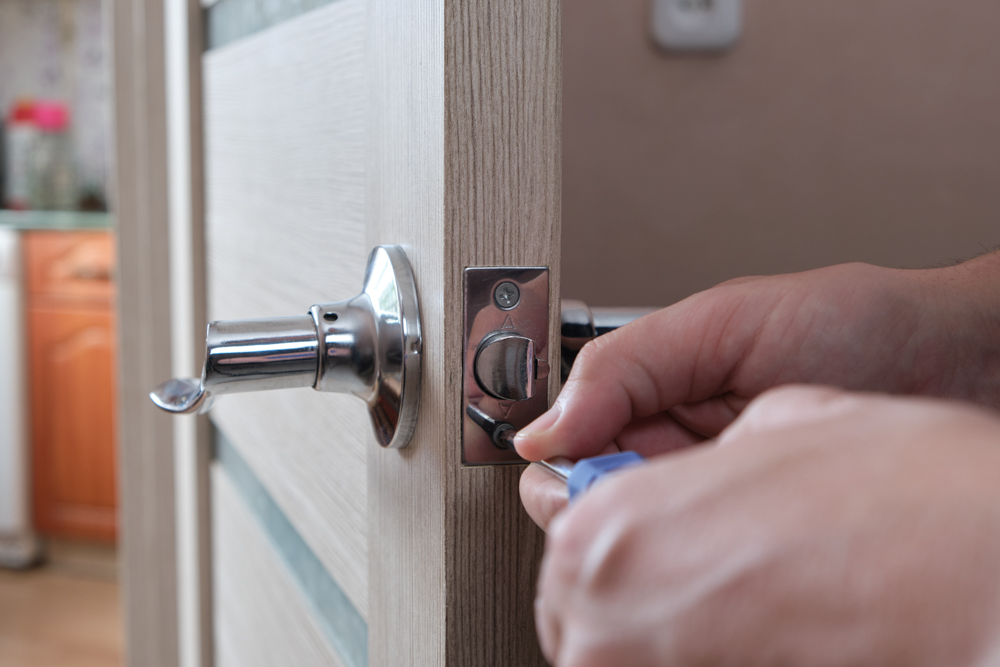
Many homeowners enjoy a good DIY project, but when it comes to broken locks or damaged lock mechanisms, it’s important to know your limits. While some minor issues like tightening screws or lubricating parts can be handled with basic tools, more complex problems require professional expertise.
Attempting to fix intricate lock problems on your own can lead to further damage or even total lock failure. For instance, forcing a jammed key out of a lock might damage the cylinder or break internal components, making the situation worse—and more expensive to repair.
If you’re unsure whether your lock problem is minor or serious, it’s best to call in professional locksmith services like those offered by Fortify Services. Our team has the tools and experience to assess, repair, or replace locks safely and efficiently.
When DIY Is Safe
There are a few lock maintenance tasks Canadian homeowners can safely handle themselves:
- Applying graphite lubricant to a sticky keyhole
- Tightening loose screws on the lock or door handle
- Removing dirt or debris from the keyway with compressed air
- Using a de-icer during cold snaps to prevent freezing
However, if the issue involves the internal mechanism, broken keys, or door misalignment, it’s safer to hire a certified locksmith.
Benefits of Hiring a Professional Locksmith
Hiring a locksmith might seem like an extra expense, but it often saves time, money, and frustration in the long run. Here’s what a professional brings to the table:
- Accurate Diagnosis: An expert can quickly identify the root cause of lock problems.
- Proper Tools: Professionals have specialized tools to repair or replace locks without damage.
- Long-Term Solutions: DIY fixes are often temporary—professionals offer lasting repairs.
- Security Knowledge: Locksmiths understand how to enhance your home’s security using modern technology.
- Compliance: They ensure all installations meet local building codes and insurance requirements.
Whether you’re dealing with a simple jam or planning a full upgrade, our certified technicians at Fortify Services are ready to provide trusted and reliable service across Canada.
Preventing Future Lock Problems
Seasonal Lock Maintenance in Canada
Canada’s climate can be hard on hardware. Between freezing winters and humid summers, locks are exposed to moisture, salt, and temperature fluctuations that can cause damage over time. That’s why seasonal lock maintenance is critical.
Winter Maintenance Tips
- Use de-icer sprays to prevent frozen locks during deep freezes
- Keep locks dry and free from snow and ice buildup
- Lubricate locks before winter to avoid freezing mechanisms
Spring & Summer Maintenance
- Inspect for rust or corrosion caused by salt or moisture
- Clean and lubricate locks to remove winter grime
- Check door alignment, as wood can swell with humidity
Regular maintenance helps avoid lockouts, broken locks, and the need for emergency repairs. If you’re unsure how to properly care for your locks, Fortify Services offers lock restoration and seasonal maintenance services to make sure your home stays secure year-round.
Upgrading to Weather-Resistant Locks
If your home is in a region with extreme weather—like the Prairies or Northern Ontario—it may be worth investing in weather-resistant locks. These are designed to withstand moisture, ice, and temperature changes without internal damage.
Look for features like:
- Stainless steel or brass components
- Protective finishes to resist corrosion
- Sealed keyways to prevent water intrusion
Installing durable, weatherproof hardware is a smart move for long-term security and reduced maintenance.
Comparing Lock Types: Which Is Right for You?
Traditional Locks vs Smart Locks
Choosing between repairing a traditional lock or upgrading to a smart lock depends on your lifestyle and security needs. Here’s a quick comparison to help you decide:
| Feature | Traditional Locks | Smart Locks |
|---|---|---|
| Security | Reliable, basic protection | Advanced features like alerts and auto-lock |
| Convenience | Requires a physical key | Keyless entry, app control, remote access |
| Cost | Lower upfront cost | Higher initial investment |
| Maintenance | Minimal upkeep with occasional lubrication | Battery-powered, may need updates |
If you’re comfortable with technology and want more control over your home’s security, a smart lock may be the way to go. But if you prefer simplicity and lower cost, traditional locks still offer reliable protection.
Deadbolts for Canadian Homes
Deadbolts remain one of the most secure and cost-effective solutions for residential doors. In fact, most insurance companies and municipal bylaws in Canada recommend or require deadbolts for entry doors.
When choosing a deadbolt, look for:
- Grade 1 or Grade 2 rating: These are the highest security grades for residential locks.
- Single or double cylinder: Double cylinders require a key on both sides, ideal for doors with glass panels.
- Solid metal construction: Avoid plastic components that wear out quickly.
If you’re unsure which deadbolt is right for your home, Fortify Services offers professional locksmith services to help you choose and install the perfect lock for your needs.
Real-Life Examples of Lock Repair and Replacement
Case Study 1: Lock Repair in Calgary
A homeowner in Calgary was experiencing difficulty turning the key in their front door lock during the winter. After an inspection, our technician found that moisture had caused internal corrosion. Rather than replacing the lock entirely, we disassembled the unit, cleaned the mechanism, and applied lubricant. The lock was restored to full function—saving the homeowner over $200 in replacement costs.
Case Study 2: Lock Replacement in Toronto
A Toronto family wanted to improve home security after a neighbour’s house was broken into. Their existing locks were over 15 years old and showed signs of wear. We recommended upgrading to high-security deadbolts and adding a smart lock on the main entry. The replacement provided peace of mind and improved access control through their smartphones.
Case Study 3: Antique Lock Restoration in Victoria
In Victoria’s historic district, a homeowner needed a vintage lock restored to preserve the original charm of their century-old door. Fortify Services carefully restored the internal parts and polished the exterior, maintaining the antique look while ensuring modern functionality.
These examples show that every situation is unique. Whether you’re dealing with a broken lock, outdated hardware, or planning a security upgrade, a trusted locksmith can provide the right solution based on your needs and budget.
Conclusion: Secure Your Home with the Right Lock Decision
Lock problems can be frustrating, especially when they compromise the safety of your home. Knowing when to repair vs replace is essential for maintaining security without overspending. Minor lock issues like sticky mechanisms or misaligned hardware often call for affordable repairs, while outdated or severely damaged locks should be replaced to restore full protection.
With the right approach—whether it’s regular maintenance, lock troubleshooting, or upgrading to smart security—you can ensure your locks stand up to Canadian weather and security standards.
If you’re unsure about what your home needs, don’t guess. Contact Fortify Services for professional locksmith services across Canada. Our certified technicians are here to help you make the most cost-effective, secure, and practical choice for your home.
Protect your peace of mind with expert care and quality service—because your home deserves nothing less.