

Discover the pros and cons of keyless entry systems for Canadian homes. Learn how smart locks, electronic access, and modern lock technology can enhance security, convenience, and home automation.
Understanding Keyless Entry Systems
As Canadian homeowners increasingly seek secure, convenient, and modern solutions for home access, keyless entry systems have become a popular option. These systems eliminate the need for traditional keys, offering a variety of access methods like keypad locks, smart entry with smartphones, biometric entry, and more. From added convenience to better integration with home automation systems, keyless systems present a compelling alternative to conventional locks.
However, like any modern technology, they also come with their own set of challenges. In this article, we’ll explore the different types of keyless locks, their advantages, disadvantages, and what Canadian homeowners should consider before making the switch.
What is a Keyless Entry System?
A keyless entry system is a way to access your home without using a traditional metal key. These systems rely on electronic mechanisms and technology to unlock doors. The most common types include:
- Keypad locks – Use a numeric code to unlock the door.
- Smart locks – Operated via smartphone apps or Bluetooth.
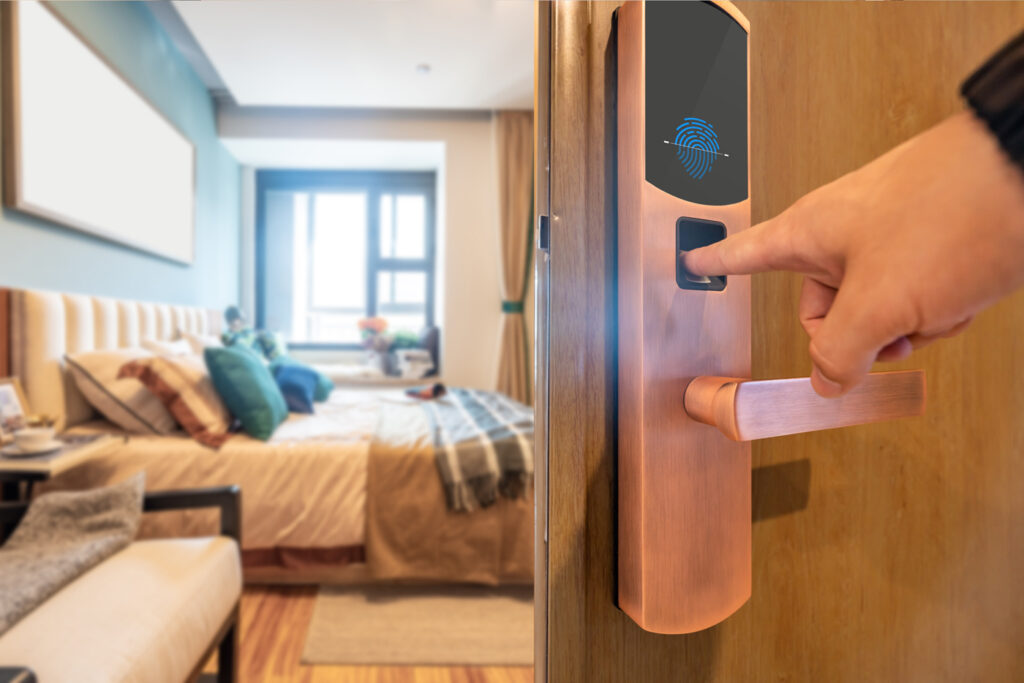
- Biometric entry – Uses fingerprint or facial recognition.
- RFID and fob systems – Access using a radio-frequency card or fob.
They are often integrated into home automation platforms, allowing homeowners to control and monitor their locks remotely. This makes them part of the broader trend of modern entry and lock technology upgrades in Canadian homes.
How Keyless Systems Work
Unlike traditional locks that rely on a physical key, electronic locks depend on digital signals and mechanisms. For example, a digital door lock with a keypad will open once the correct code is entered. A smart entry system might unlock the door when your smartphone is nearby, using Bluetooth or Wi-Fi signals. Biometric locks scan your fingerprint or even face to verify identity.
Most systems are battery-operated, and many include a backup key slot or emergency power option in case of failure. Some models are designed to meet Canadian building codes and weather-resistance standards, making them suitable for harsh winters and regional climate differences.
Pros of Keyless Entry Systems for Canadian Homeowners
There are many reasons why more Canadians are switching to keyless systems. Here are the top benefits of upgrading to smart locks and digital door locks in your home.
1. Enhanced Convenience
One of the main attractions of keyless entry systems is the convenience factor. You no longer have to worry about forgetting your keys or getting locked out. Whether you’re coming home with groceries or letting a friend in while you’re at work, convenience locks make everyday life easier.
Remote Access
Smart entry systems let you control your locks remotely using a smartphone app. This is especially useful if you need to let in a family member, cleaner, or dog walker while you’re not home. Some models even send real-time alerts when someone enters or exits.
Multiple Access Options
Depending on the system you choose, you may be able to set up multiple access codes, temporary codes for guests, or even biometric access for different family members. This flexibility makes keyless systems ideal for busy households.
2. Increased Security Features
Modern lock technology has come a long way. Many keyless systems offer advanced security features that go beyond what traditional locks can provide.
- Auto-locking – Automatically locks the door after a set time.
- Tamper alerts – Notifies you of suspicious activity or failed entry attempts.
- Audit trails – Keeps a log of who accessed the lock and when.
These features increase peace of mind, especially for homeowners concerned about unauthorized access or lost keys.
Integration with Home Security Systems
Many smart locks can be integrated with existing home automation and security systems, giving you full control over your home’s safety. For example, you can program your door to lock automatically when your alarm is set or receive alerts if the door is left unlocked.
3. No More Lost Keys
We’ve all misplaced keys at some point. With keyless entry, you eliminate this common problem. There’s no need to worry about hiding spare keys under the mat or replacing locks after losing your key. This not only adds convenience but also improves security.
4. Custom Access Control
If you have frequent visitors—like cleaners, caregivers, or rental guests—you can provide them with unique temporary codes. This allows you to track who is entering your home and when, and you can revoke access at any time. It’s a great option for Airbnb hosts or families with teenagers coming and going.
5. Weather Resistance
Many keyless locks designed for the Canadian market are built to withstand extreme temperatures, snow, and rain. Look for systems rated for cold-weather performance, especially if you live in areas like Alberta, Manitoba, or Northern Ontario.
6. Modern Aesthetic
Keyless locks offer a sleek, contemporary look that complements modern home design. Whether you’re renovating or building new, modern entry hardware can enhance your home’s curb appeal.
7. Easy Installation Options
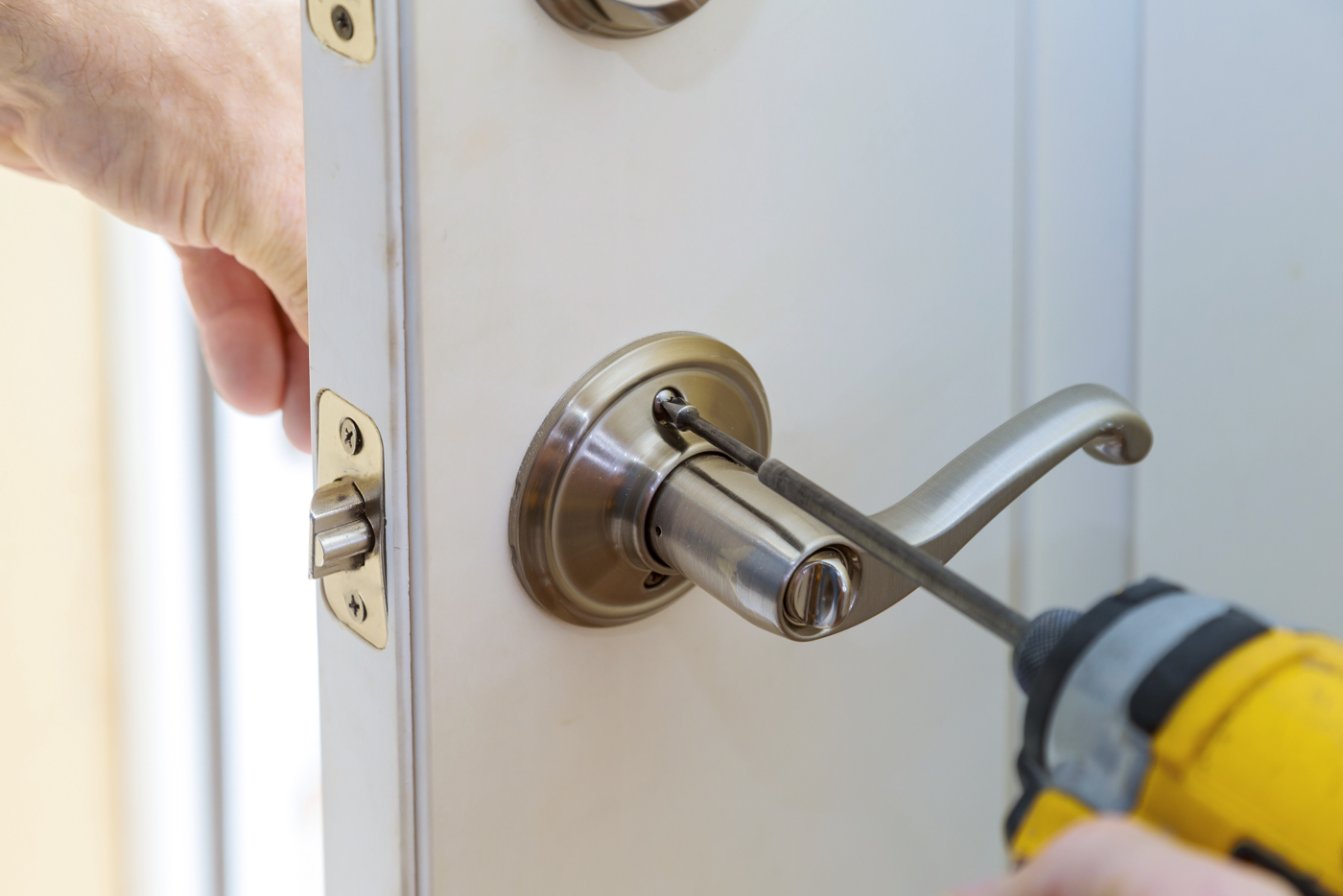
Many digital door locks are designed for easy installation. Homeowners with basic DIY skills can often replace their existing deadbolt in under an hour. For more complex setups or full smart home integration, contact our certified technicians at Fortify Services for professional help.
Cons of Keyless Entry Systems
While the benefits are clear, it’s also important to understand the potential drawbacks of keyless entry. Knowing both sides can help you make an informed decision that fits your household’s needs.
1. Power Dependency
Most electronic locks require batteries or an external power source. If the battery dies and there’s no backup key slot, you could be locked out. While many systems provide low-battery warnings, it’s crucial to stay on top of maintenance.
Tips for Battery Management
- Use high-quality lithium batteries for better performance in cold weather.
- Set calendar reminders to check battery levels every few months.
- Choose systems with emergency power options, such as a 9V battery terminal.
2. Technical Glitches
Like any electronic device, smart entry systems can experience software bugs or connectivity issues. A system update might cause delays or errors, and poor Wi-Fi coverage can affect remote access reliability.
If your smart lock is part of a larger home automation setup, a glitch in one component can affect the entire system. That’s why it’s a good idea to work with professionals when installing these systems. For professional locksmith services, Fortify Services can help ensure your system is installed and configured correctly.
3. Higher Upfront Costs
Keyless systems often cost more than traditional locks. Prices can range from $100 to over $500, depending on features, brand, and smart capabilities. You may also need to invest in hubs or bridges for full integration with your smart home network.
Cost-Benefit Consideration
While the initial cost is higher, many homeowners find the investment worthwhile due to increased security and convenience. Consider your long-term needs and whether the system will increase your home’s value or appeal to future buyers.
4. Learning Curve
Not everyone in the household may be comfortable using digital door locks or navigating a smartphone app. Seniors or children may find traditional keys easier to manage. Look for systems that offer both traditional and digital access for greater flexibility.
5. Potential for Hacking
Any device connected to the internet brings some level of cybersecurity risk. While most manufacturers use encryption and secure networks, no system is entirely immune to hacking. It’s essential to follow best practices:
- Use strong, unique passwords.
- Enable two-factor authentication if available.
- Regularly update the firmware of your smart lock.
If you’re unsure about the security of your system, if you need expert locksmith advice, our team can recommend secure, Canadian-compliant options.
6. Compatibility Issues
Some smart locks aren’t compatible with all doors or existing hardware. Older homes may require adjustments to door frames or lock placement. Additionally, not all locks work with every home automation platform (like Google Home, Alexa, or Apple HomeKit), so it’s important to verify compatibility before purchase.
Expert Tip:
Measure your door’s thickness and check the type of deadbolt currently installed. When in doubt, contact our certified technicians for an in-home consultation to ensure proper fit and setup.
Choosing the Right Keyless Entry System for Your Home
Now that we’ve looked at the pros and cons of keyless entry systems, it’s time to dive into how you can choose the right one for your Canadian home. With so many options available, it’s important to assess your needs, home layout, and lifestyle before making a purchase.
Assessing Your Security Needs
Every home has different security requirements. A detached home in a rural area may require different features than a downtown condo. Consider the following:
- Location – Urban homes may prioritize remote access and integration with home automation systems, while rural homeowners might value durability and weather resistance.
- Entry Points – You may want different locks on your front door, garage, and back entry. Some systems allow for centralized control over multiple doors.
- Who Needs Access – Think about everyone who needs access: family members, babysitters, service providers, or tenants. Choose a system that offers customizable access options.
Comparing Keyless Technologies
Each keyless system has its own strengths. Here’s a breakdown to help you compare:
Keypad Locks
- Pros: Simple to use, reliable, no need for smartphone access
- Cons: Codes can be guessed or shared without permission
- Best For: Families with children or seniors who prefer not to use mobile apps
Smart Locks
- Pros: Remote access, app control, real-time notifications
- Cons: Requires Wi-Fi or Bluetooth, more expensive
- Best For: Tech-savvy homeowners looking for full home automation integration
Biometric Entry
- Pros: High-level security, no codes or keys needed
- Cons: May struggle in extreme cold, higher cost
- Best For: High-security areas or homes with frequent access changes
RFID or Fob Systems
- Pros: Quick access without codes, great for elderly users
- Cons: Fobs can be lost or stolen
- Best For: Multi-user households or short-term rental properties
Smart Home Compatibility
If you’re already using a smart home system like Google Home, Amazon Alexa, or Apple HomeKit, make sure the lock you choose is compatible. Many smart entry systems are designed to integrate with these platforms, allowing you to control your lock with voice commands or automation routines.
For example, you can set your door to lock automatically at a certain time each night or unlock when your phone’s GPS detects that you’re close to home. This is especially useful for families on the go or anyone who wants to simplify daily routines.
Weather and Durability Considerations in Canada
Canadian winters are no joke, and your electronic locks need to be able to handle the cold. When shopping for a keyless entry system, look for products that meet Canadian weather standards:
- Operating Temperature Range: Choose locks that function well in temperatures as low as -30°C.
- Weatherproofing: Ensure the lock is rated for snow, ice, and moisture exposure.
- Battery Type: Lithium batteries perform better in cold climates than alkaline ones.
Some locks also come with a protective cover to shield the keypad or fingerprint scanner from snow and rain—an excellent feature for homes in provinces like Alberta, Saskatchewan, or Quebec.
Installation and Maintenance Tips
Installing your keyless entry system properly is just as important as choosing the right one. Whether you’re a seasoned DIYer or prefer professional help, it’s essential to get the installation right for both security and functionality.
DIY Installation
Many digital door locks are designed for simple installation using just a screwdriver. If your existing deadbolt fits standard measurements, you may be able to install a new keypad lock or smart entry system in under an hour.
DIY Tips:
- Read the manufacturer’s instructions thoroughly before starting.
- Ensure your door is properly aligned and closes smoothly—this affects how well the deadbolt engages.
- Test the lock multiple times before finalizing installation.
When to Call the Pros
For more complex installations—such as integrating with a full home automation system or retrofitting an older door—it’s best to work with experienced professionals. Our certified technicians at Fortify Services are trained to handle all types of lock technology and can ensure everything is installed securely and up to code.
This is especially important if your home has custom doors or unique frame structures. A professional locksmith can also provide advice on the best lock model for your needs and budget.
Ongoing Maintenance
Even though most keyless systems are low maintenance, a few simple habits can help keep your locks in top shape:
- Replace batteries every 6–12 months or as recommended by the manufacturer.
- Clean the keypad or fingerprint sensor regularly to maintain accuracy.
- Keep firmware updated to ensure security patches are applied.
- Inspect the housing and mounting plate for signs of wear or tampering.
Staying on top of maintenance helps prevent unexpected failures and extends the life of your convenience locks.
Security Best Practices for Keyless Entry Systems
While keyless entry systems offer advanced protection features, it’s still important to follow basic security practices to maximize effectiveness. Here are some expert tips to keep your home and family safe:
Use Strong PIN Codes
If your lock uses a keypad, avoid common or predictable codes like 1234 or your birth year. Choose random combinations and change them periodically. For added security, select a system with a “code scramble” feature that prevents fingerprints from revealing frequently used numbers.
Enable Notifications and Alerts
Many smart locks can send push notifications to your phone when someone uses the lock. Enable these alerts to stay aware of who’s coming and going, especially if you have kids or tenants.
Keep Software Updated
Manufacturers occasionally release updates to fix bugs or security vulnerabilities. Make it a habit to check for firmware updates every few months. If your lock is connected to a home automation hub, update that platform as well.
Limit App Access
Only allow trusted individuals to access your lock’s mobile app. If you lose your smartphone, revoke access immediately and change your entry codes. Most platforms let you manage access permissions easily through the app dashboard.
Choose Reputable Brands
Stick with well-known brands that offer customer support, warranty, and proven track records. Cheaper off-brand locks may save money upfront but can pose security or reliability risks down the line.
If you’re not sure where to start, our certified technicians can help you choose a secure, Canadian-tested system that’s right for your home.
Who Should Consider Keyless Entry?
Keyless systems aren’t just for tech enthusiasts—they’re a practical upgrade for many Canadian households. Here are a few scenarios where digital locks make good sense:
Busy Families
Families juggling work, school, and extra-curriculars benefit from convenience locks that eliminate the need for spare keys. With multiple access codes, you can monitor when your kids get home or grant access to a babysitter while you’re out.
Short-Term Rental Hosts
If you rent out part of your home or operate an Airbnb, keyless entry makes guest check-ins seamless. Temporary codes can be created for each stay and removed after checkout—no need to meet in person or worry about lost keys.
Seniors and Elderly Care
Older Canadians or those caring for aging parents may find smart entry helpful for managing access. You can provide entry to healthcare workers or family members without handing out physical keys. Some systems even offer voice control or simplified interfaces suitable for all ages.
Frequent Travellers
For those who travel often, digital door locks offer peace of mind. You can lock and unlock your door from anywhere, check activity logs, and respond quickly if a neighbour needs emergency access while you’re away.
Homeowners in Cold Climates
In areas like the Prairies or Northern Ontario, fumbling with keys in -30°C weather is no fun. A biometric entry or keypad lock makes it faster and easier to get inside without removing gloves or fishing in your bag.
Conclusion: Is Keyless Entry Right for Your Canadian Home?
Keyless entry systems offer a modern, secure, and convenient way to protect your home. With options ranging from simple keypad locks to full-featured smart entry systems, there’s a solution for almost every Canadian homeowner.
While there are costs and considerations—like battery maintenance, potential glitches, and cybersecurity—it’s clear that the benefits of electronic locks often outweigh the drawbacks. They simplify daily routines, improve access control, and can even add value to your home.
Whether you’re upgrading for convenience, security, or smart home integration, a well-chosen keyless system can make a big difference. And if you’re unsure where to start, professional locksmith services from Fortify Services are just a call away.
Our team is experienced in installing and maintaining all types of modern entry systems and can help you choose the right solution based on your needs, location, and budget. From biometric entry to fully integrated home automation locks, we’ve got you covered.
Looking to upgrade your doors with the latest lock technology? Contact our certified technicians today to schedule a consultation and secure your home with confidence.