

Intercom and buzzer system integration can make home and building access safer, simpler, and more convenient. This guide explains how intercom systems, door locks, and electronic entry work together, what Canadian homeowners should consider, and when professional installation helps improve visitor control, security, and daily use.
How intercom systems and door locks work together
Modern intercom systems do much more than let you speak to someone at the door. When connected to locks, they become part of a complete access control setup that helps manage who enters your property and when. For Canadian homeowners, condo owners, and small multi-unit property managers, this kind of door communication can improve both convenience and security.
At the most basic level, a building intercom allows a visitor to call a resident or property owner from an outside panel. Once the person inside confirms who is there, they can release the door remotely if the system is connected to an electric strike, magnetic lock, or another compatible locking device. This is where buzzer integration becomes especially useful. Instead of walking to the entry every time, you can verify the visitor and unlock the door from inside.
What is included in an integrated entry system?
An integrated entry system often includes several parts working together:
- Outdoor intercom panel with call buttons, camera, or keypad
- Indoor station, mobile app, or phone connection
- Door buzzer or release button
- Electronic entry hardware such as an electric strike or maglock
- Power supply and control wiring
- Optional access control features like key fobs, PIN access, or audit tracking
When these parts are installed properly, they create a smoother building access experience. A homeowner can speak to a courier, a tenant can let in a guest, or a family member can use a code or fob instead of carrying extra keys.
Why homeowners in Canada are upgrading to communication locks
Many older homes and small apartment buildings still use simple buzzers or outdated audio-only units. While these may still function, they often lack the reliability, flexibility, and security features people now expect. New communication locks and intercom systems can offer video verification, smartphone access, temporary visitor credentials, and cleaner integration with modern doors.
This is especially helpful during Canadian winters. If you are dealing with snow, ice, or limited mobility, remote entry can be a real everyday benefit. In larger cities like Toronto, Vancouver, Calgary, or Ottawa, building access systems are also becoming more common in duplexes, laneway homes, and small rental properties.
If you are planning an upgrade, it helps to speak with a professional who understands both lock hardware and electronic entry systems. Fortify Services provides professional locksmith services that can help homeowners choose secure, compatible solutions for different types of doors and entry points.
Common types of lock integration
Electric strike integration
An electric strike replaces or modifies the door frame hardware so the latch can release when triggered by the intercom or buzzer. This is a popular option because it works with many standard locksets and allows the door to stay mechanically secure when power is off, depending on the setup.
Magnetic lock integration
Maglocks use electromagnetism to hold a door closed. They are common in commercial and multi-residential settings, but they must be installed with proper life safety considerations. In Canada, local fire and building code requirements may affect where and how these are used, especially on exit routes.
Smart lock and keypad integration
Some intercom systems can connect with smart locks or keypad locks, giving users several ways to manage entry. This can be ideal for side entrances, shared vestibules, or gates where visitor control matters but full-time staffed reception is not available.
Key benefits of buzzer integration for homes and small buildings
Buzzer integration is not just about convenience. It can support better security habits, reduce unnecessary key sharing, and make your entry systems easier to manage over time. Whether you own a detached home with a front gate or a triplex with a shared entrance, the right setup can make a noticeable difference.
Better visitor control without replacing every lock
One of the biggest advantages of adding a door buzzer or building intercom is improved visitor control. You can decide who gets in before the door opens. This helps reduce unwanted access from unknown callers, salespeople, or package theft risks in shared entry areas.
For many properties, this can be done without replacing every lock on site. In some cases, the existing mechanical hardware can stay in place while an electric strike or release device is added to support electronic entry. That makes integration a practical option for homeowners who want better access control without a complete overhaul.
More convenience for family, tenants, and deliveries
Integrated door communication systems are useful in day-to-day life. You can let in a family member who forgot a key, speak to a delivery driver without opening the door, or allow a tenant into a common area remotely. In multi-unit homes, this can reduce missed visitors and improve the entry experience for everyone.
Some systems also allow scheduled access, mobile app control, or one-time PINs. These tools can be very helpful for short-term guests, dog walkers, cleaners, or tradespeople. If you need advice on matching hardware with your current doors, expert locksmith support can help prevent compatibility issues before installation starts.
Stronger security at the main point of entry
Your front entry is one of the most important places to invest in security. A well-designed intercom and lock integration setup adds another layer of screening before access is granted. Video-enabled intercom systems are especially helpful because they let you confirm identity visually, not just by voice.
For Canadian homeowners, it is also important to think about durability. Outdoor panels should be rated for cold temperatures, moisture, and seasonal weather changes. Wiring, enclosures, and release hardware should all be suitable for local conditions. In coastal regions, corrosion resistance may matter more. In Prairie provinces, extreme cold may affect certain components differently.
Useful for older parents and accessibility needs
Another often-overlooked benefit is accessibility. For older adults or people with mobility concerns, being able to answer a building intercom and release a door remotely can make life easier and safer. Instead of rushing to the entrance, they can manage building access from a comfortable location indoors.
This can also support independent living in basement suites, in-law suites, and small shared properties. When planned properly, communication locks and entry systems can be both secure and user-friendly for people of different ages and needs.
What to consider before installing a building intercom with lock release
Before choosing a system, it is important to look at your property layout, door type, and long-term needs. Not every intercom system works with every lock, and not every entry system is ideal for every Canadian home.
Check door and frame compatibility
Start with the door itself. Is it wood, metal, aluminum storefront, or glass? Does it already have a deadbolt, latchset, or panic hardware? The type of frame and existing lock will affect whether buzzer integration is simple or more involved. Some doors are better suited to electric strikes, while others may need different hardware or reinforcement.
If you are unsure, it is wise to have the opening assessed before buying equipment online. A mismatched system can lead to poor performance, extra labour, or security gaps. Fortify Services offers certified locksmith services for homeowners who want practical advice before making changes to their doors or access control setup.
Think about power, wiring, and internet needs
Some intercom systems are hardwired, while others use wireless or app-based features. Hardwired systems can be very reliable, but installation may be more complex in finished homes. Wireless options may be easier to add, but they still need stable power and, in some cases, dependable Wi-Fi coverage near the entry point.
You should also think about backup access. If the power goes out, how will the lock behave? Will the door stay locked or release? The answer depends on the hardware and must align with safety requirements. In many cases, local code considerations and fire safety rules should be reviewed before installation, especially in shared residential buildings.
Plan for future access control needs
It is smart to choose a system that can grow with your needs. Today you may only want a simple door buzzer, but later you might want camera verification, mobile credentials, or better visitor control for a rental unit. Choosing expandable entry systems can save money and reduce disruption later on.
When in doubt, work with a local professional who understands both security and Canadian installation standards. If you want help selecting or upgrading a system, contact our locksmith team for guidance tailored to your property.
Installation challenges and best practices for Canadian properties
Even the best intercom systems can underperform if the installation is rushed or the hardware is not matched properly to the opening. For homeowners, duplex owners, and small building managers, a reliable setup depends on more than just choosing a good brand. The door, frame, wiring path, weather exposure, and daily traffic all affect how well your access control system will work over time.
Choosing the right lock release for the entry
Not every door communication setup uses the same release method. A front gate, shared lobby door, and side entrance may each need a different approach. An electric strike is often a practical choice where the existing latch hardware is in good condition. A maglock may suit some commercial-style entries, but it needs proper safety planning and code compliance. Smart locks can also support electronic entry, though they are not always the best fit for high-traffic shared doors.
The best choice depends on how the door is used every day. For example, a single-family home may benefit from a simple building intercom with video and app control, while a triplex may need stronger visitor control, timed access, and more durable release hardware. If you need help matching hardware to your current door, professional locksmith services can help you avoid expensive mistakes.
Weather, wear, and Canadian durability concerns
In Canada, climate matters. Outdoor intercom systems and door buzzer components should be able to handle snow, freezing rain, heat, and sudden temperature swings. A poorly protected exterior panel may fail early if moisture gets inside. Buttons, speakers, cameras, and wiring connections should all be rated for outdoor use and installed with proper sealing.
Cold weather can also affect door alignment. As materials expand and contract through the seasons, a lock release that worked well in summer may become less reliable in winter. This is especially true with metal frames, older wood doors, and entrances that already drag or shift. Before adding buzzer integration, it is wise to make sure the door closes properly, latches consistently, and does not have frame damage.
Power supply and backup planning
Many homeowners focus on the intercom panel and forget about the power side of the system. Yet power quality is a major part of reliable building access. Electronic entry devices need the correct voltage, proper wiring, and in some cases battery backup. If the power supply is undersized or poorly located, your entry systems may become inconsistent or stop working altogether.
You should also know how the system behaves during a power outage. Some communication locks are fail secure, meaning the door stays locked when power is lost. Others are fail safe, meaning the door releases. The correct option depends on the door location, life safety rules, and how the property is used. In shared buildings across Ontario, British Columbia, Alberta, and other provinces, local requirements may differ, so professional review is important.
When a professional installation makes the biggest difference
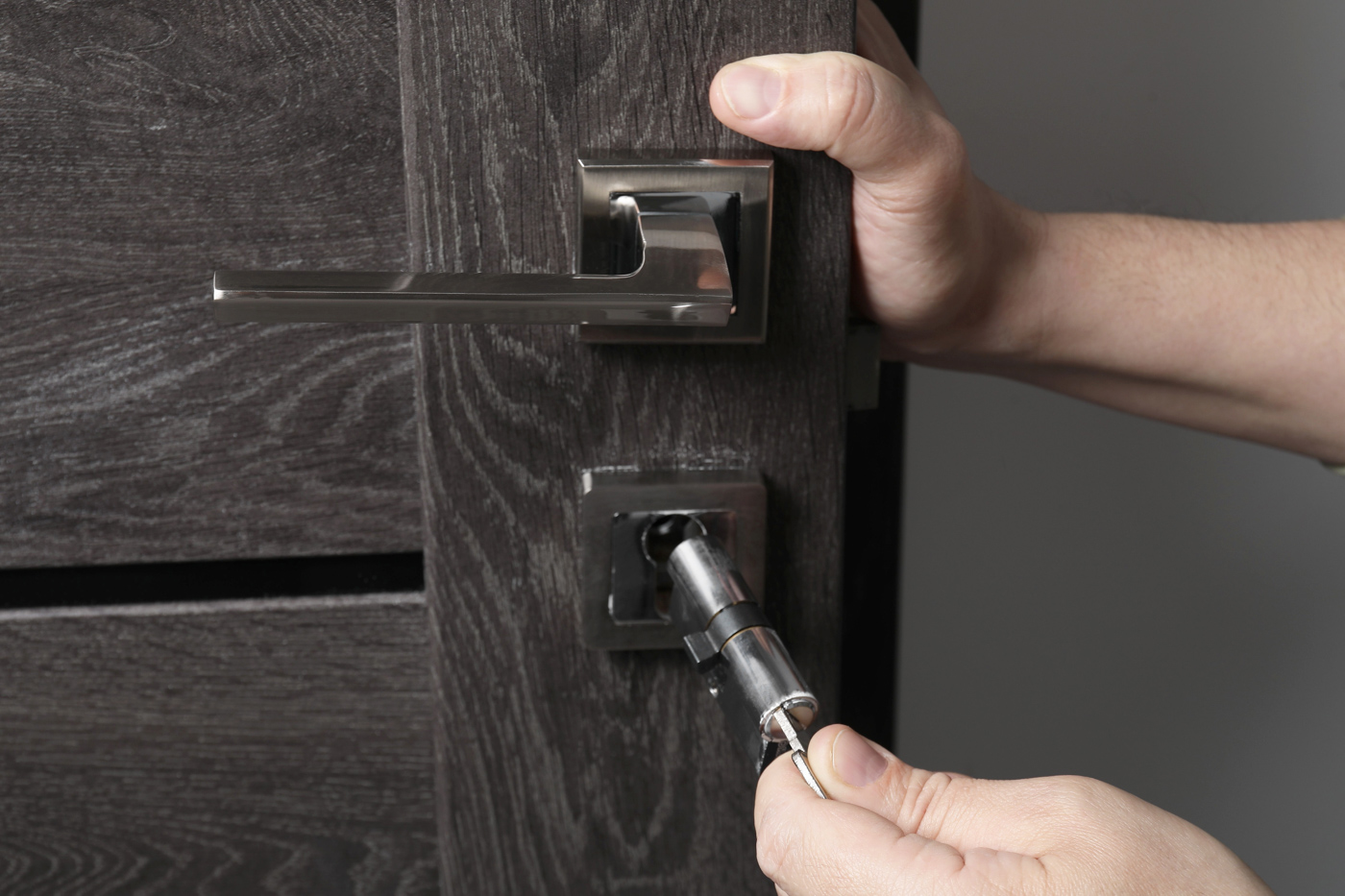
Some homeowners are comfortable handling basic low-voltage work, but integrated access control often involves more than mounting a panel and connecting wires. The installer may need to adjust the strike opening, align the latch, route cables through finished walls, set up mobile credentials, and test the full door communication cycle under real conditions.
This is where experienced help can save time and frustration. A qualified technician can also identify issues that are easy to miss, such as weak hinges, poor door closer tension, or hardware conflicts between the lock and the intercom release. If your system needs to work every day in a busy entryway, speaking with expert locksmith support is often the safest route.
Smart features, maintenance, and everyday use
Once your intercom systems and locks are integrated properly, the next goal is making them easy to use and easy to maintain. A good setup should improve daily life, not create confusion for family members, tenants, or visitors. Modern entry systems offer useful features, but they should be chosen with simplicity in mind.
Features that improve convenience and visitor control
Many new building intercom options now include video calling, smartphone notifications, remote unlock, PIN codes, and audit logs. These features can be very helpful for homeowner security and visitor control. If a courier arrives while you are in the backyard or away from home, you may still be able to answer the call and manage entry remotely.
For small multi-unit properties, temporary codes and scheduled access can reduce the need to copy keys. This can be useful for cleaners, dog walkers, contractors, or short-term guests. Some systems also let you review missed calls or track which credential opened the door. That level of access control can add peace of mind without making the system difficult to use.
Simple maintenance steps that protect performance
Like any security equipment, intercom systems need occasional attention. Dirt, moisture, loose connections, and worn hardware can all affect performance. A few simple maintenance habits can help your door buzzer and electronic entry system last longer:
- Keep exterior panels clean and free of snow, salt, and debris
- Test audio, video, and unlock functions regularly
- Check that the door closes and latches smoothly every time
- Replace weak backup batteries when recommended by the manufacturer
- Update app settings, user codes, and access permissions as needed
If the door starts sticking, buzzing becomes inconsistent, or the release only works sometimes, do not ignore it. Small alignment problems often become bigger service issues later. Homeowners who want long-term reliability often benefit from periodic checks by certified locksmith services familiar with both mechanical locks and electronic entry hardware.
Keeping access simple for everyone in the home
The most effective communication locks are the ones people actually use correctly. That means keeping instructions clear and avoiding overly complicated settings. If older parents, children, or tenants will use the system, show them how to answer calls, unlock the door safely, and use backup access if the app is unavailable.
It is also smart to keep a manual entry option. Even advanced entry systems should have a practical fallback, whether that means a key cylinder, keypad code, or supervised spare key. In Canadian winters, phones can die faster in the cold, and internet interruptions can happen. Backup access helps keep your building access plan dependable in real-life conditions.
Making the right upgrade for your home or small building
Intercom and buzzer integration can be a smart upgrade when it is planned around the property’s actual needs. The right system improves door communication, supports safer visitor control, and adds convenience without sacrificing security. For some homes, a simple audio unit with door release is enough. For others, video, mobile access, and stronger access control features make more sense.
Before buying equipment, think about the type of door, how many users need access, what level of electronic entry you want, and how the system will perform in your local climate. A well-installed setup should feel smooth, secure, and easy to manage for years to come.
If you are considering a new building intercom, upgrading a door buzzer, or integrating communication locks with your current hardware, Fortify Services can help. Our team provides trusted locksmith services for Canadian homeowners who want practical advice, dependable installation, and secure entry systems built for everyday use. Contact Fortify Services to find the right solution for your property.