

Lock security audits help Canadian government facilities protect staff, visitors, records, and restricted areas. This guide explains how a security audit works, what institutional locks are reviewed, common risks in public buildings, and when to call a government locksmith to improve security compliance and public safety.
Why Lock Security Audits Matter for Canadian Government Buildings
Government security is about more than strong doors and a few keys. In Canadian government facilities, every lock, keyway, access point, and exit device plays a role in public safety. A proper security audit helps identify weak spots before they turn into costly problems such as break-ins, lost master keys, unauthorized entry, or non-compliance with building rules.
Official buildings often have a mix of public access and restricted zones. A municipal office, courthouse, service centre, school board building, or provincial department may welcome the public at the front while protecting staff offices, records rooms, IT spaces, storage areas, and emergency exits in the back. That is why institutional security needs a careful, structured review rather than a one-size-fits-all approach.
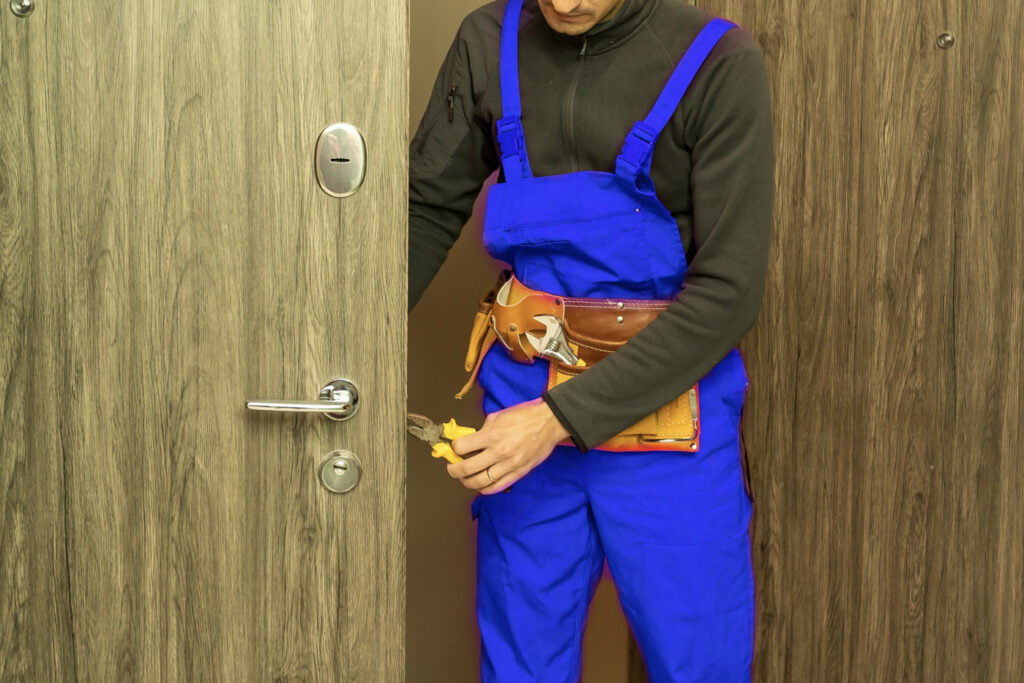
A professional audit from a government locksmith looks at the full building security picture. This includes lock condition, key control, door hardware, emergency egress, access permissions, and whether current systems still match the building’s daily use. In many cases, a building has grown over time, but its lock plan has not kept up.
What Is a Lock Security Audit?
A security audit is a detailed inspection of the locking systems and door hardware in a public building. The goal is to find vulnerabilities, improve security compliance, and support safe movement for staff and visitors. For government facilities, this process may also support internal risk management and maintenance planning.
During an audit, a locksmith may review:
- Exterior door locks and strike alignment
- Institutional locks on offices, records rooms, and restricted areas
- Master key systems and who has access
- Panic bars, closers, and emergency exit hardware
- Door frames, hinges, and latch strength
- Access control integration with mechanical locks
- Signs of wear, tampering, or outdated hardware
For managers responsible for public safety, this kind of review creates a clear list of what needs repair, replacement, or rekeying. If you need support from experienced professional locksmith services, it is wise to book an audit before problems affect daily operations.
Why Audits Are Especially Important in Public Buildings
A public building has different security demands than a private home or standard office. Traffic is often higher, doors are used more frequently, and many people may need access at different times. This creates wear on locks and increases the risk of key loss or unauthorized duplication.
In Canada, building operators also need to think about fire code requirements, accessibility, and safe emergency exit routes. A lock that seems secure can still create a problem if it interferes with egress or does not meet the needs of the space. Good government security balances protection with safe, lawful access.
Across provinces, standards may vary slightly, but the general expectation is the same: official buildings must protect people, property, and information while allowing smooth public service. A regular security audit helps confirm that the hardware still supports that goal.
Key Areas Reviewed During a Government Lock Audit
An effective audit does not only focus on the front entrance. It follows how people move through the building and checks which areas need open access, controlled access, or high-security protection. This is where institutional locks and layered planning become essential.
Exterior Entry Points and Perimeter Security
The first step is usually the building perimeter. Main entrances, side doors, loading areas, underground access doors, and gates all affect building security. If one exterior door has a weak latch, poor frame alignment, or an old cylinder, it can become the easiest way in.
For government facilities, common concerns include:
- Doors that do not close or latch properly
- Weather-related wear from Canadian winters
- Outdated locks that are easy to pick or bypass
- Shared staff entrances with poor key tracking
- Service doors left unsecured during deliveries
In many parts of Canada, freeze-thaw cycles, salt, and moisture can affect hardware faster than expected. A locksmith performing a security audit will often flag corrosion, sticking cylinders, loose closers, or doors that no longer seal or align correctly.
Interior Restricted Areas and Institutional Security
Once the perimeter is reviewed, attention shifts to internal zones. Not every room in a public building needs the same level of security. A reception office and a records archive should not share identical lock standards. Institutional security works best when access is assigned based on function.
Common high-priority areas include:
- Records and file storage rooms
- Server and communications rooms
- Cash handling or payment areas
- Human resources and management offices
- Maintenance shops and supply rooms
- After-hours staff entrances
Institutional locks for these spaces may include restricted key systems, heavy-duty commercial hardware, classroom or storeroom function locks, and reinforced strike plates. If your facility handles sensitive records or controlled materials, a certified locksmith in Canada can recommend upgrades that match the actual risk level.
Key Control and Master Key Risks
One of the biggest issues in government facilities is poor key control. Over time, keys get copied, passed between departments, or kept after staff changes. Even if the lock hardware is strong, uncontrolled keys weaken the whole system.
A security audit should answer simple but important questions:
- How many master keys exist?
- Who signed them out?
- Are old keys still active after staffing changes?
- Can keys be copied without permission?
- Do current access levels still make sense?
For many official buildings, rekeying selected doors is a cost-effective way to improve government security without replacing every lock. Restricted keyways can also help prevent unauthorized duplication. If there has been staff turnover, renovation work, or a lost key incident, it may be time to contact our locksmith team for a full review.
Common Security Gaps Found in Canadian Government Facilities
Even well-managed buildings can develop weak points over time. Daily use, budget limits, and changing operations often create gaps that are not obvious until an audit is completed. The good news is that many issues can be corrected quickly once identified.
Outdated Hardware and Inconsistent Lock Standards
Many government facilities have been renovated in stages. As a result, one hallway may have newer institutional locks while another still uses older hardware that no longer meets current security needs. This inconsistency can confuse staff, complicate key management, and reduce security compliance.
Common examples include mismatched cylinders, worn panic hardware, loose lever sets, and doors that were never upgraded after a change in room use. A storage room turned into an IT closet, for example, may need stronger protection than it had before.
Access That No Longer Matches Building Use
A lock system should reflect how the building works today, not how it worked ten years ago. If departments have moved, public counters have expanded, or new shared work areas have been added, access permissions may be outdated.
During a security audit, this often shows up as too many people having access to sensitive rooms, or too few barriers between public and staff-only spaces. In a busy public building, that can create both safety and privacy concerns.
Neglected Maintenance That Affects Public Safety
Sometimes the issue is not criminal risk but simple wear. Doors that drag, closers that slam, locks that stick, and exit devices that fail under pressure can all affect public safety. In government facilities, these problems can disrupt service, create hazards, and increase liability.
Routine inspections are the best defence. A qualified government locksmith can spot early warning signs, recommend practical fixes, and help facility teams plan upgrades in phases. That approach keeps building security strong while managing costs responsibly.
For Canadian municipalities, agencies, and other public building operators, regular lock audits are a smart way to protect people, assets, and operations. With the right review process, official buildings can stay secure, code-aware, and ready for the demands of daily public use.
How Government Buildings Improve Security After an Audit
Once a security audit is complete, the next step is turning findings into a practical plan. In many Canadian government facilities, the goal is not to replace every lock at once. A better approach is to fix the highest-risk issues first, then schedule upgrades in phases. This helps protect budgets while still improving building security and public safety.
A good audit report usually separates concerns into urgent, medium-term, and long-term actions. Urgent items may include doors that do not latch, broken exit devices, lost key concerns, or weak hardware on restricted rooms. Medium-term items often include rekeying, updating institutional locks, improving key control, and replacing worn commercial hardware. Long-term planning may involve access control integration, standardizing hardware across departments, and upgrading older official buildings to support current institutional security needs.
Prioritizing High-Risk Doors and Sensitive Areas
Not all openings in a public building carry the same risk. A records room, IT room, finance office, and after-hours staff entrance usually need more attention than a supply closet. That is why many government facilities begin by addressing the doors that protect people, data, and essential operations.
Common priorities after a security audit include:
- Rekeying doors after staff turnover or lost keys
- Upgrading cylinders on restricted areas
- Repairing frames, hinges, and strike plates
- Replacing weak or outdated institutional locks
- Securing secondary entrances used by staff or contractors
- Checking emergency exits for proper egress and code compliance
For many public building managers, these first steps deliver the biggest improvement right away. If your site needs help planning repairs, working with professional locksmith services can make the upgrade process more organized and cost-effective.
Rekeying Versus Full Lock Replacement
One of the most common questions after an audit is whether a building should be rekeyed or fully upgraded. The answer depends on the condition of the hardware, the security level required, and whether the existing system still supports safe daily use.
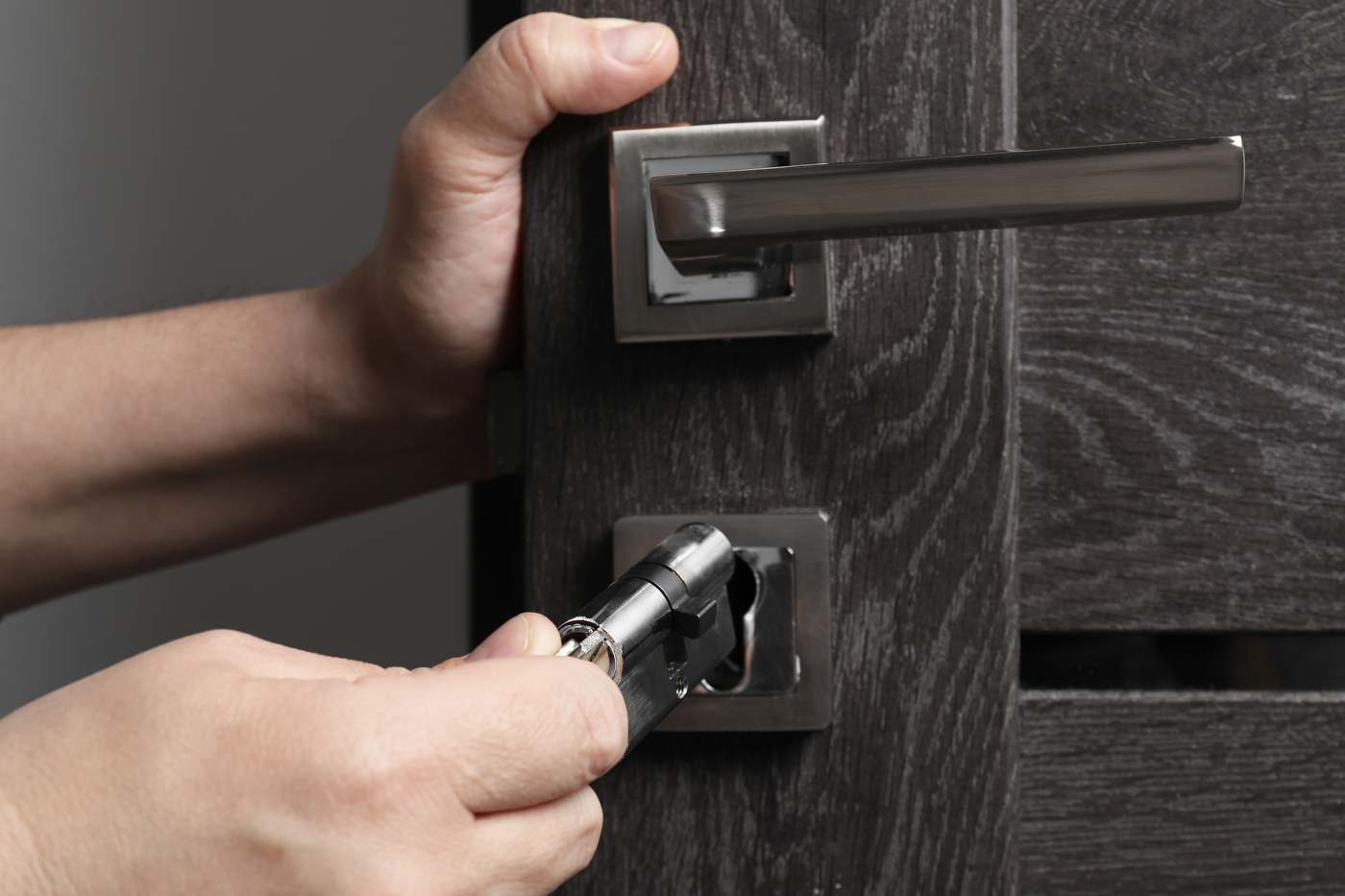
Rekeying is often a smart option when the lock bodies are still in good shape but key control has become a problem. This is common in government facilities where keys have changed hands over many years. Rekeying can remove old access without replacing every piece of hardware.
Full replacement may be the better choice when locks are damaged, outdated, easy to bypass, or no longer suitable for the room’s current purpose. For example, a basic office lock may not be enough for a records archive or server room. In those cases, a government locksmith can recommend hardware that better supports security compliance and institutional security.
Standardizing Hardware Across Government Facilities
Many official buildings have a patchwork of lock brands, keyways, and door functions. This often happens after years of renovations, emergency repairs, and department changes. While the building may still operate, inconsistent hardware can make maintenance harder and weaken government security.
Standardization offers several benefits:
- Simpler maintenance and ordering of replacement parts
- Better key management across departments
- More consistent security levels throughout the building
- Easier training for staff and facility teams
- Clearer planning for future upgrades
For municipalities, school boards, provincial offices, and other government facilities, a standard lock plan can reduce confusion and improve long-term building security.
Best Practices for Ongoing Institutional Security
A security audit should not be treated as a one-time event. Public buildings change over time, and lock systems need to keep up. New staff, new service counters, renovations, contractor access, and changing public traffic patterns can all affect risk. Ongoing reviews help keep government security aligned with how the building is actually used.
Set a Regular Review Schedule
Many Canadian facilities benefit from annual lock reviews, with extra checks after major staffing changes, lost key incidents, break-in attempts, or renovations. Even a smaller follow-up inspection can catch problems before they become expensive.
A regular review should include:
- Testing door operation and latch function
- Confirming who holds master and sub-master keys
- Reviewing access to restricted rooms
- Inspecting panic hardware and door closers
- Checking for signs of tampering or wear
- Updating records for rekeying and hardware changes
This kind of routine supports public safety and helps maintain security compliance across government facilities in every province.
Improve Key Control Policies
Strong hardware matters, but good policy matters just as much. Many security issues in official buildings begin with unclear key handling. Keys may be copied without approval, passed from one employee to another, or never returned after role changes. Over time, that creates serious gaps in institutional security.
Practical key control steps include:
- Keeping a written key sign-out system
- Limiting who can authorize key copies
- Using restricted keyways where appropriate
- Collecting keys immediately when staff leave
- Reviewing master key access on a scheduled basis
These steps are simple, but they can make a major difference in government security. If key control has become difficult to manage, it may be time to speak with our certified locksmith team about rekeying and restricted systems.
Balance Security With Safe Public Access
Government buildings must do two things at once: protect restricted areas and remain accessible to the public. That balance is especially important in service centres, municipal buildings, and other spaces where visitors move through the property every day.
Good institutional security does not mean locking every door. It means guiding access in a clear and safe way. Public counters, waiting areas, interview rooms, and washrooms may require open or monitored access, while staff corridors, file storage, and equipment rooms need tighter control. The best lock plan supports public service without exposing sensitive spaces.
In Canada, this also means considering accessibility needs, life safety, and emergency egress. A secure door should still work properly in an emergency. During upgrades, a qualified locksmith can help ensure the hardware supports both security and code-aware operation.
When to Call a Government Locksmith in Canada
Some minor issues, such as tightening a loose screw, may be spotted by maintenance staff. But larger lock planning decisions should be handled by a professional with commercial and institutional experience. Government facilities have different needs than homes or small private offices, and mistakes can affect public safety, staff access, and compliance.
Signs Professional Help Is Needed
You should consider booking a locksmith review if your public building has any of the following problems:
- Lost, stolen, or unreturned keys
- Doors that fail to close or latch properly
- Outdated institutional locks on sensitive rooms
- Too many people with access to restricted areas
- Hardware that no longer matches room use
- Renovations that changed traffic flow or department layout
- Concerns about public safety or security compliance
In these situations, an experienced locksmith can inspect the site, explain the risks clearly, and recommend practical next steps. If you need trusted help with building security, Fortify Services offers expert locksmith support for Canadian institutions and commercial properties.
Choosing the Right Security Partner
For government facilities, it is important to work with a locksmith who understands high-traffic environments, institutional locks, key systems, and the demands of official buildings. The right partner will not push unnecessary replacements. Instead, they will help you improve government security in a way that fits your building, budget, and operations.
A strong lock security audit gives public building managers a clear path forward. It identifies weak points, improves key control, supports security compliance, and helps protect staff, visitors, records, and restricted spaces. For Canadian government facilities, regular reviews are one of the most practical ways to strengthen institutional security over time.
If your building has aging hardware, unclear key access, or changing security needs, Fortify Services can help. Contact Fortify Services to schedule a professional audit and get reliable recommendations for safer, stronger, and more secure government facilities across Canada.