
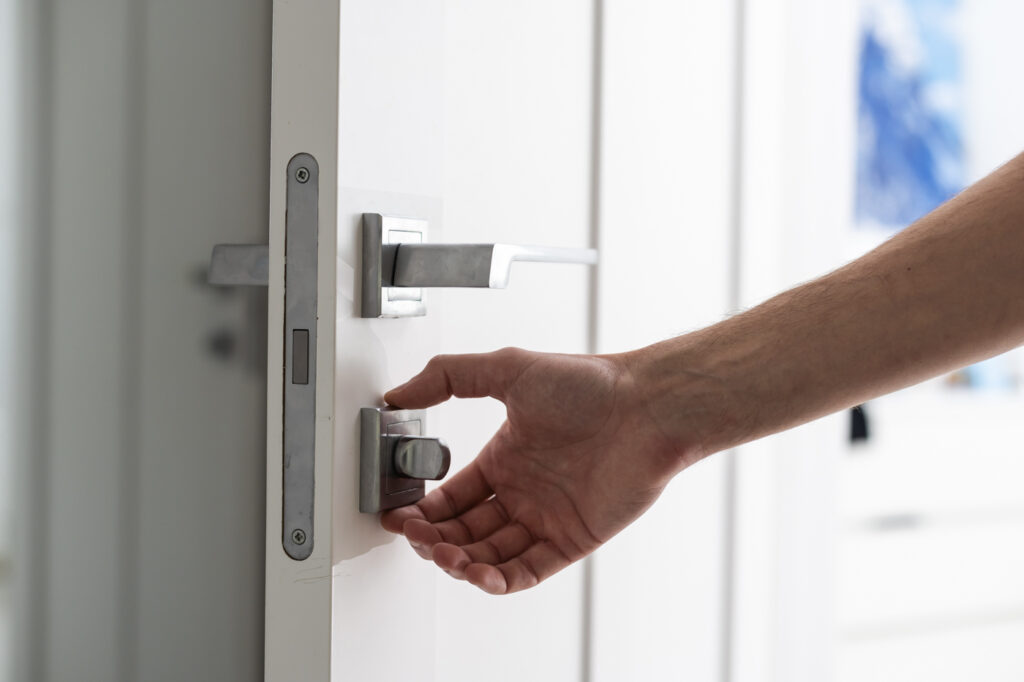

Deadbolt installation is one of the smartest ways to improve home security in Canada. This guide explains how deadbolt locks work, what type to choose, where door reinforcement matters most, and when a lock upgrade or professional security installation can give your home maximum security and better everyday protection.
Why Deadbolt Installation Matters for Canadian Homes
When homeowners think about home protection, they often start with alarms, cameras, or outdoor lighting. Those upgrades help, but your front, side, and back doors are still the main line of defence. That is why deadbolt installation remains one of the most effective ways to improve door security and residential security across Canada.
A standard spring latch lock can often be forced open with enough pressure or the right tool. Deadbolt locks are different. They use a solid metal bolt that extends deep into the door frame, making the door much harder to kick in or pry open. For many Canadian households, adding security deadbolts is a practical first step toward maximum security.
Cold weather, seasonal swelling, and frequent use can also affect how well a lock and door perform over time. In provinces with harsh winters, doors may shift slightly, and older hardware may no longer line up properly. A proper lock upgrade can improve both safety and day-to-day function, especially when paired with good door reinforcement.
What a deadbolt actually does
A deadbolt is a locking mechanism that cannot be moved to the open position without rotating the cylinder or thumbturn. Unlike a simple latch, it does not spring back when pressure is applied. This extra resistance is what makes deadbolt installation such an important part of modern home security.
For homeowners, the biggest benefits include:
- Stronger resistance to forced entry
- Better door security for main entry points
- Improved peace of mind at home or away
- A reliable and affordable home protection upgrade
If you are reviewing options for better entry-point protection, professional locksmith services can help you choose the right setup for your home, door type, and budget.
Why deadbolts are especially useful in Canada
Canadian homes face a mix of security and weather-related challenges. In urban areas, homeowners may want stronger residential security because of higher foot traffic and more visible front entrances. In suburban and rural communities, detached homes may have multiple access points, including garage entry doors, patio doors, and basement doors.
Across the country, a deadbolt installation should also consider climate. Metal components, wood frames, and weatherstripping all react differently to temperature changes. A lock that works fine in summer may become stiff or misaligned in winter. That is why proper fitting matters just as much as the deadbolt itself.
In many cases, the best results come from combining a quality deadbolt with frame strengthening, longer screws, and strike plate improvements. This approach supports maximum security rather than relying on the lock alone.
Choosing the Right Deadbolt Locks for Maximum Security
Not all deadbolt locks offer the same level of protection. The right choice depends on your door material, entry location, daily use, and whether you want a simple manual lock or a more advanced security installation. Understanding the main options can help you make a better decision before spending money on a lock upgrade.
Single-cylinder vs double-cylinder deadbolts
The most common choice for Canadian homes is the single-cylinder deadbolt. It uses a key on the outside and a thumbturn on the inside. This style is convenient, easy to use, and works well for most front and back doors.
A double-cylinder deadbolt uses a key on both sides. Some homeowners choose this option when there is glass near the door and they want to reduce the risk of someone breaking the glass and unlocking the door from inside. However, local fire safety expectations and practical emergency exit needs should always be considered before choosing this style.
Quick comparison
- Single-cylinder: convenient, common, family-friendly
- Double-cylinder: added control near glass, but may be less convenient in emergencies
If you are unsure which style suits your home, an expert locksmith can assess the door layout and explain what makes sense for both safety and code awareness.
Look for quality ratings and solid construction
For real home security, the deadbolt should be made from strong materials and installed correctly. A high-quality lock with a reinforced strike plate is usually far more effective than a cheap lock placed in a weak frame. Homeowners should look for durable hardware, a strong bolt throw, and dependable cylinder performance.
In Canada, it is also wise to choose products suited to changing weather conditions. Corrosion resistance, smooth operation in cold temperatures, and long-term durability all matter. A deadbolt that sticks or fails to align can reduce both convenience and security.
When planning a lock upgrade, ask about:
- Bolt length and strength
- Cylinder quality and pick resistance
- Finish durability for exterior exposure
- Compatibility with existing door prep
- Whether added door reinforcement is recommended
Smart deadbolts and modern security installation
Some homeowners want more than a traditional key lock. Smart deadbolt locks can offer keypad entry, app control, temporary access codes, and activity tracking. These features can be useful for busy families, short-term access for contractors, or homeowners who want to avoid carrying keys.
That said, smart products should still be treated as security deadbolts first and technology second. The physical lock body, bolt strength, and installation quality remain the foundation of home protection. A smart lock installed on a weak frame does not provide maximum security.
For homeowners comparing traditional and smart options, professional security installation can help ensure the final setup is secure, aligned, and suited to Canadian conditions.
Door Reinforcement: The Key to Better Door Security
One of the biggest mistakes homeowners make is focusing only on the lock. Even the best deadbolt installation can be limited by a weak door jamb, short screws, or a cracked frame. True door security comes from treating the entire entry system as one unit.
Why the frame matters as much as the lock
During a forced entry attempt, the frame often fails before the deadbolt does. If the strike plate is attached with short screws or the wood around it is worn out, the door can still give way under pressure. This is why door reinforcement is such an important part of residential security.
Common reinforcement improvements include:
- Installing a heavy-duty strike plate
- Using longer screws that reach the wall stud
- Strengthening the door jamb
- Repairing damaged or split wood around the lock area
- Checking hinge security and alignment
These upgrades are often affordable and can make a major difference in home security. If your current lock works but the frame is weak, reinforcement may be the smarter first step.
Signs you may need a lock upgrade or reinforcement
Many Canadian homeowners live with entry doors that show early warning signs of weakness. If you notice any of the following, it may be time to act:
- The deadbolt is hard to turn
- The door does not close cleanly
- There is visible movement in the frame when locked
- The strike plate screws are short or loose
- The lock is outdated, damaged, or low quality
In these situations, a proper assessment can prevent bigger security problems later. If you want a reliable solution for home protection, certified locksmith technicians can inspect the lock, frame, and hardware together rather than replacing one part at a time.
A well-planned deadbolt installation is not just about adding hardware. It is about creating a stronger barrier at the places that matter most. With the right deadbolt locks, proper door reinforcement, and attention to Canadian conditions, homeowners can take a major step toward safer, more secure living.
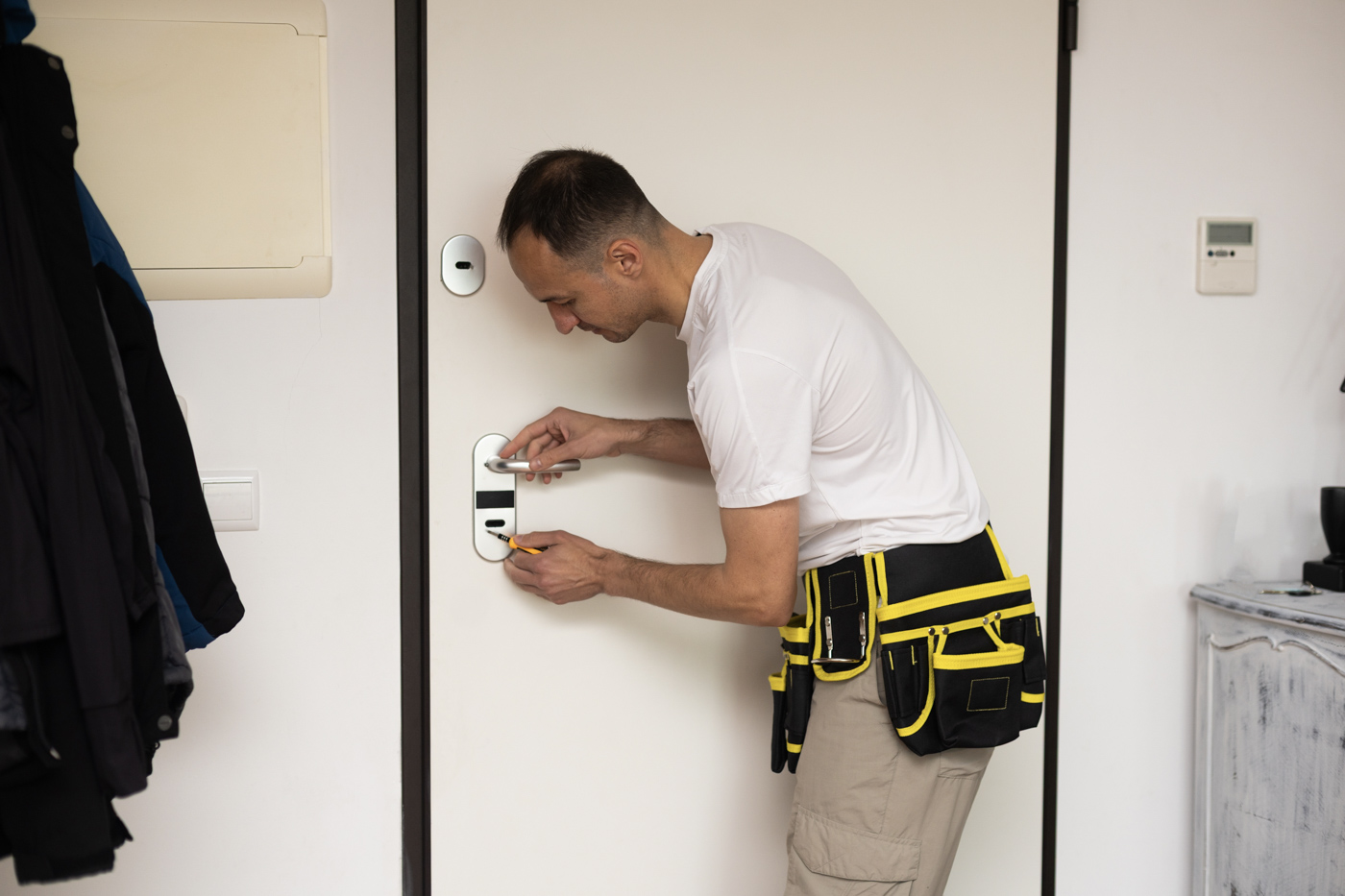
Professional Deadbolt Installation vs DIY: What Homeowners Should Know
Many homeowners ask whether deadbolt installation is a simple weekend project or a job best left to a professional. The answer depends on the condition of your door, the type of deadbolt locks you choose, and how important maximum security is for that entry point. A basic replacement on a properly prepared door may be manageable for some DIY homeowners, but a new installation or a lock upgrade on an older door often needs more precision than expected.
When DIY can work
If your door already has the correct bore holes, the frame is in good condition, and you are replacing an old deadbolt with a similar model, DIY installation may be possible. In that situation, the main goal is to make sure the new lock lines up properly, the bolt extends fully, and the strike plate is secure.
For a simple project, homeowners should still check:
- Door thickness and backset measurements
- Whether the bolt moves smoothly without rubbing
- If the strike plate lines up exactly with the deadbolt
- Whether longer screws can improve door reinforcement
- If the lock remains easy to use in cold weather
Even small alignment issues can affect home security. A deadbolt that only partly extends into the frame does not provide the same home protection as one installed correctly.
When professional installation is the better choice
Professional help is usually the smarter option when there is no existing deadbolt, when the door or frame is worn, or when you want security deadbolts paired with reinforcement. This is especially true for older Canadian homes, where wood movement, previous repairs, or seasonal shifting may affect fit and performance.
Homeowners often choose professional locksmith services when they want:
- Accurate drilling and placement for a new deadbolt installation
- Proper fitting on steel, wood, or fiberglass doors
- Frame strengthening for better door security
- Advice on the best deadbolt locks for the property
- A complete residential security assessment
A professional can also spot issues that are easy to miss, such as weak jamb material, poor hinge support, or a mismatch between the lock and the door prep. That extra attention can make a major difference for maximum security.
Why installation quality matters
The best lock in the world cannot do much if it is poorly installed. If the bolt does not seat deeply, if screws are too short, or if the frame is already damaged, your security installation will not deliver the protection you expect. In practical terms, careful installation improves both safety and daily use. The door closes better, the lock turns smoothly, and the entire system lasts longer.
Best Places to Install Security Deadbolts Around the Home
Most people think first about the front door, but full home security means looking at every realistic entry point. A well-planned deadbolt installation strategy covers the doors that matter most, based on how the home is used and where access is easiest.
Front doors, back doors, and side entries
The front door is usually the top priority because it is the main entry and often the most visible. A quality deadbolt lock here improves both security and peace of mind. Back doors and side doors deserve the same attention, especially if they are less visible from the street or yard. These areas can be more attractive to someone looking for a quieter access point.
For many Canadian homes, a lock upgrade on all main exterior doors creates a more consistent level of home protection. If one door is strong and another is weak, overall residential security still suffers.
Garage entry and basement access doors
An attached garage entry door is one of the most overlooked parts of door security. If someone gains access to the garage, the interior door becomes the next target. Installing security deadbolts on this door can help create another layer of protection.
Basement doors, secondary suite entrances, and separate side entrances should also be reviewed. In many parts of Canada, these doors may be older or used less often, which means worn hardware can go unnoticed for years. An inspection by expert locksmith technicians can help identify weak points before they become a problem.
Sliding and patio doors need a different approach
Not every door uses a standard deadbolt. Patio and sliding doors often need their own security measures, such as auxiliary locks, reinforced tracks, or upgraded latch systems. While a traditional deadbolt installation may not apply, the principle is the same: strengthen the entry point and reduce the chance of forced access.
If your goal is maximum security, think beyond one lock and look at the full property. A complete plan may include deadbolt locks, door reinforcement, hinge upgrades, and other forms of security installation based on how your home is designed.
Maintenance, Upgrades, and Long-Term Home Protection
Once a deadbolt is installed, regular maintenance helps keep it reliable. Canadian weather can be hard on exterior hardware, and even a strong lock needs occasional attention to continue performing well. Good maintenance protects your investment and supports long-term home security.
Simple maintenance tips for Canadian conditions
Homeowners can do a few things each season to keep deadbolt locks working properly:
- Check that the bolt extends fully into the strike plate
- Tighten loose screws on the lock, strike plate, and hinges
- Clean around the keyway and exterior hardware
- Watch for swelling, sticking, or alignment changes in winter
- Replace worn or rusting parts before they fail
A lock should operate smoothly without forcing the key or thumbturn. If it becomes difficult to use, that may point to a larger issue with the door or frame rather than the lock alone.
When it is time for a lock upgrade
A lock upgrade makes sense when your current hardware is outdated, damaged, or no longer meets your needs. Some homeowners want stronger pick resistance. Others want better convenience through keypad access or smart features. In either case, the goal should be improved security and dependable everyday use.
You may want to consider a new deadbolt installation if:
- Your lock is more than several years old and showing wear
- You recently moved into a new home
- Your keys have been lost or copied without control
- The door has been repaired after damage or forced entry
- You want to improve residential security across multiple doors
In some cases, rekeying is enough. In others, replacing the full lock and upgrading the strike area is the better path. If you need guidance, security installation services can help you compare practical options for your home and budget.
Choosing local help you can trust
For Canadian homeowners, local experience matters. Climate, building styles, and even neighbourhood layouts can affect what kind of door security works best. A technician familiar with homes in your area can recommend the right deadbolt locks, proper door reinforcement, and hardware that stands up to seasonal conditions.
Whether you are improving one entry door or planning a full home protection upgrade, working with trusted locksmith services can save time and prevent costly mistakes. The right support helps ensure your deadbolt installation is not only secure on day one, but reliable for years to come.
Deadbolt installation remains one of the most effective ways to improve home security, strengthen door security, and move closer to maximum security for your property. When paired with solid door reinforcement, quality hardware, and proper installation, security deadbolts provide real value for Canadian homeowners. If you are ready to upgrade your locks or want expert advice on the best setup for your home, contact Fortify Services for professional, dependable help across Canada.