

Commercial window installation affects energy use, comfort, safety, and curb appeal in Canadian office buildings. This guide explains window types, materials, code considerations, and planning tips for commercial glazing projects, helping property owners make smart choices for renovations, replacements, and long-term building performance.
Why commercial window installation matters for Canadian office buildings
Commercial window installation is about much more than appearance. In Canadian office buildings, the right commercial windows can improve energy efficiency, support employee comfort, reduce outside noise, and strengthen the overall value of the property. Whether you manage a small professional office, a retail plaza, or a larger institutional space, your business windows play a major role in how the building performs every day.
Canada’s climate makes window selection especially important. Office building windows in Toronto, Calgary, Vancouver, Ottawa, and other cities face different weather conditions, but all must handle seasonal temperature swings, wind, moisture, and regular wear. Poorly chosen or badly installed commercial glass can lead to drafts, condensation, higher heating costs, and ongoing maintenance issues. That is why many owners turn to professional window installation when planning a new build or building renovation.
The role of commercial windows in building performance
Modern commercial glazing supports several goals at once. It brings in natural light, helps maintain indoor temperatures, and contributes to a clean, professional look. In office settings, this can create a more comfortable environment for staff and visitors while lowering strain on HVAC systems.
For Canadian commercial properties, high-performing windows often include double or triple glazing, low-emissivity coatings, thermally broken frames, and durable seals. These features can help reduce heat loss in winter and limit heat gain in summer. Over time, that may lead to lower utility bills and fewer complaints from tenants or employees about hot and cold spots near windows.
Key benefits for office owners and property managers
- Better insulation and energy savings
- Improved comfort throughout the office
- Reduced outside noise in busy urban areas
- Stronger security and impact resistance
- Updated appearance for clients, staff, and tenants
- Support for long-term building renovation goals
If your current windows show signs of fogging, leaks, broken seals, or frame damage, it may be time to consider repairs or replacement. In some cases, expert window repair can restore function. In others, full replacement is the better investment, especially for older office building windows that no longer meet performance expectations.
How commercial glazing affects appearance and branding
Commercial windows also shape first impressions. Clean lines, larger glass areas, and well-fitted frames can make an office look modern, open, and inviting. This matters for professional offices, clinics, schools, and mixed-use properties where appearance supports reputation.
For street-facing spaces, storefront windows are especially important. They improve visibility, highlight products or services, and make the building feel more accessible. Even in office buildings, front-entry glazing and lobby windows can influence how customers and visitors view the business before they even walk in.
When windows and entry systems are updated together, the result is often stronger curb appeal and better day-to-day performance. Property owners planning broader upgrades may also want to explore commercial door installation solutions as part of a coordinated exterior improvement project.
Choosing the right office building windows for your property
Not all commercial windows are the same. The best option depends on the building type, the location, the size of the openings, and the performance goals of the project. A downtown office tower may need advanced glazing for noise and solar control, while a smaller suburban office may focus more on energy savings, easy maintenance, and clean design.
Popular types of business windows in Canada
Several window styles are commonly used in Canadian commercial properties. Fixed windows are popular because they offer wide views and strong energy performance with fewer moving parts. Operable windows can improve ventilation in some office settings, though they must be selected carefully for safety, maintenance, and code compliance.
Storefront windows are often used at ground level for offices, retail spaces, and service businesses. These systems typically feature large panes of commercial glass in aluminum framing. Curtain wall and window wall systems are more common in larger buildings and can create a sleek, modern exterior.
Institutional windows are another category worth noting. These are often installed in schools, healthcare buildings, and government facilities, where durability, security, and code requirements are especially important. In many cases, institutional windows must meet stricter standards for safety glazing, accessibility, and long-term performance.
Questions to ask before selecting commercial windows
- What level of insulation does the building need?
- Will the windows face strong sun, wind, or road noise?
- Do you need fixed, operable, or mixed window types?
- Are there security or impact-resistance concerns?
- How important are maintenance and cleaning access?
- Does the design need to match an existing facade?
These questions can help narrow down the best materials and glazing options for your project. A trusted contractor can also review the condition of surrounding walls, flashing, and framing before any window installation begins.
Frame materials and glass options
Aluminum is a common choice for commercial windows because it is strong, lightweight, and well suited to larger openings. Modern aluminum systems often include thermal breaks to improve insulation. Vinyl is less common in large-scale commercial glazing, but it may be used in some smaller office applications. Fibreglass and hybrid systems can also offer good durability and thermal performance.
For the glass itself, double glazing is standard in many Canadian commercial applications, while triple glazing may be considered in colder regions or high-performance buildings. Low-E coatings help control heat transfer, and tinted or reflective glass can reduce glare. Laminated or tempered commercial glass may be required in areas where safety is a concern, such as entrances, sidelites, and low-level glazing.
Owners should also think about long-term upkeep. A lower upfront cost is not always the best value if the system needs frequent service or does not hold up well in local conditions. Working with an experienced team in doors and windows services can help you compare options based on performance, not just price.
Planning a smooth window installation and building renovation project
A successful commercial window installation starts with good planning. In occupied office buildings, timing and coordination matter just as much as product choice. The goal is to improve the building without creating unnecessary disruption for staff, tenants, or customers.
Site assessment, codes, and Canadian standards
Before installation, the building should be assessed for structural conditions, moisture issues, and any signs of envelope failure. This is particularly important in older properties undergoing building renovation. Replacing windows without addressing surrounding damage can lead to ongoing leaks, air infiltration, and reduced performance.
Canadian commercial projects must also follow local building codes and applicable standards. Requirements may vary by province and municipality, but common concerns include energy efficiency, fire safety, egress, structural loads, and safety glazing. In some projects, accessibility and heritage considerations may also apply. A knowledgeable contractor will understand the permit process and help ensure the new office building windows meet current expectations.
Practical tips to reduce disruption during installation
For active offices, phased work is often the best approach. Installers may complete one section at a time to limit noise, dust, and access issues. Scheduling work outside peak hours can also help. Property managers should communicate clearly with tenants, staff, and visitors so everyone knows what to expect.
Here are a few practical steps that can make the project smoother:
- Inspect existing windows early and document problem areas
- Confirm lead times for custom commercial windows and glass
- Plan around weather, especially in winter months
- Protect interior finishes and workstations near the openings
- Book follow-up inspections after installation is complete
When windows are part of a larger entrance upgrade, owners should also review the condition of frames, hardware, and adjacent doors. If there are issues with closers, hinges, or locking systems, professional door repair services can help keep the full entry system safe and functional while the renovation moves forward.
With the right products, careful planning, and skilled installation, Canadian commercial properties can gain better comfort, stronger efficiency, and a more polished appearance that supports the building for years to come.
What to expect from the commercial window installation process
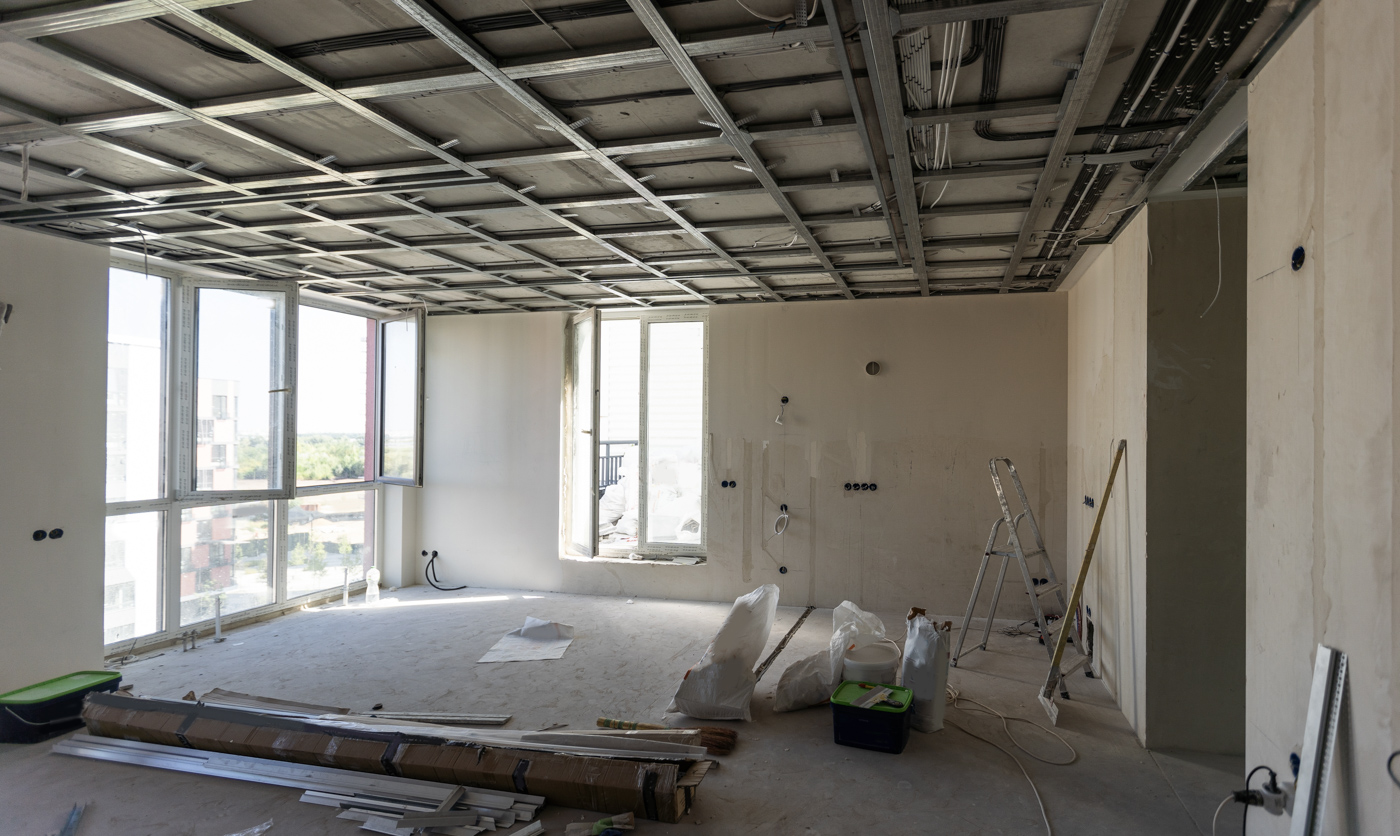
Once planning is complete, the next step is understanding how commercial window installation actually happens. For Canadian office buildings, a smooth process depends on accurate measurements, proper product selection, safe removal of old units, and careful sealing of the new system. Even high-quality commercial windows can underperform if the installation is rushed or if surrounding building conditions are ignored.
From measurement to final inspection
Most projects begin with a detailed site review. Installers confirm opening sizes, inspect the condition of the wall assembly, and identify any concerns with water penetration, insulation gaps, or structural movement. This step is especially important in older office buildings, where previous repairs or settling may have changed the original opening.
After that, the new office building windows are ordered based on the project requirements. Lead times can vary, especially for custom commercial glazing, large storefront windows, or specialized institutional windows. Once materials arrive, the crew removes the old units, prepares the openings, installs the new frames and commercial glass, and completes the air and water sealing.
A proper final inspection should check more than appearance. The team should confirm that frames are level, seals are complete, drainage paths work correctly, and hardware operates as intended. If you are planning upgrades across several entry points, it can also help to coordinate with professional door installation services so the full building envelope performs consistently.
Signs of a quality installation
- Even spacing and alignment around the frame
- Smooth operation for any operable business windows
- Clean sealant lines and proper flashing details
- No visible drafts, rattling, or water entry points
- Consistent interior and exterior finishing
These details may seem small, but they have a big effect on long-term performance. In Canadian commercial properties, poor sealing is one of the main causes of heat loss and moisture trouble around windows.
Common challenges in Canadian commercial projects
Commercial window installation in Canada often comes with site-specific challenges. Winter work can affect sealants and scheduling. Older masonry buildings may hide water damage around the opening. High-traffic office and retail spaces may require staging that protects staff, tenants, and visitors during the project.
For street-level spaces, storefront windows need extra attention because they often take more impact from weather, foot traffic, and daily use. In busy urban centres, noise control may also be a priority, especially for offices near transit routes or major roads. In these situations, choosing the right glass package and frame system matters just as much as the installation itself.
If existing units are not fully failing, some owners may wonder whether repair is enough. In selective cases, commercial window repair can extend service life. But if seals have failed across multiple openings, frames are corroded, or energy performance is poor, full replacement is usually the smarter long-term decision.
How new commercial windows support long-term building value
New commercial windows are not just a short-term upgrade. For office owners and property managers, they can support operating savings, improve tenant satisfaction, and strengthen the market appeal of the property. In many Canadian commercial buildings, windows are one of the most visible parts of the exterior, so their condition affects both performance and perception.
Energy savings, comfort, and productivity
One of the main reasons owners invest in window installation is energy efficiency. Better-insulated commercial glass helps reduce heat loss during Canadian winters and limits solar gain during warmer months. This can lower strain on heating and cooling systems and create more stable indoor temperatures throughout the day.
Comfort matters in office settings. Staff working near older office building windows often notice drafts, cold zones, glare, or excess heat. Replacing outdated systems with modern commercial glazing can create a more consistent indoor environment. While every building is different, improved comfort can support productivity and reduce complaints from employees or tenants.
Natural light is another benefit. Well-designed business windows can brighten workspaces and make offices feel more open without sacrificing efficiency. The best results usually come from balancing daylight with solar control, privacy needs, and the orientation of the building.
Security, safety, and durability
Modern commercial windows can also improve safety. Depending on the project, owners may choose tempered or laminated commercial glass for better impact resistance. This is often useful near entrances, ground-floor glazing, and public-facing storefront windows. Stronger framing systems and quality locking hardware can also support building security.
Institutional windows in schools, clinics, and government buildings often require even more attention to durability and safety. These projects may call for specific glazing standards, reinforced frames, or hardware suited to heavier daily use. A contractor experienced in commercial doors and windows services can help match the system to the building’s real operating needs.
Durability is especially important in Canada, where windows must stand up to snow, rain, freeze-thaw cycles, and strong seasonal winds. Choosing products designed for Canadian commercial conditions can help reduce future maintenance and unexpected repair costs.
Practical ways to protect your investment
- Schedule regular inspections of seals, frames, and hardware
- Clean drainage channels and weep systems as recommended
- Address cracked glass or damaged gaskets early
- Check for condensation, drafts, or staining around openings
- Include windows in your broader building renovation maintenance plan
These simple steps can help office building windows last longer and perform better over time.
Choosing the right contractor for commercial glazing in Canada
The success of any commercial glazing project depends heavily on the contractor you choose. Product quality matters, but proper installation, code awareness, and project coordination are what turn a good product into a lasting result. For office buildings, retail spaces, and institutional properties, it helps to work with a team that understands both the technical side and the practical needs of occupied commercial spaces.
What to look for in a commercial window installation company
Start by looking for experience with projects similar to yours. Installing storefront windows at street level is different from replacing upper-floor office building windows or upgrading institutional windows in a public facility. Ask about previous work, product knowledge, warranty support, and familiarity with local codes and permit requirements.
Communication is also important. A reliable contractor should explain timelines clearly, identify potential issues early, and help you compare repair versus replacement options. If your project includes multiple exterior upgrades, it may be worth reviewing related systems such as entrances, frames, and hardware. In some cases, older entry doors can create the same performance issues as failing windows, and timely door repair services can help complete the upgrade properly.
Why local knowledge matters in Canadian commercial work
Canadian commercial projects are shaped by local weather, provincial code requirements, and regional construction methods. A window system that works well in Vancouver may need different performance features in Winnipeg or Ottawa. Snow load, wind exposure, humidity, and temperature swings all affect product choice and installation details.
That is why local experience matters. A contractor who understands Canadian building conditions can recommend the right commercial windows, explain realistic maintenance needs, and help protect your investment through every stage of the project.
For office owners planning a building renovation, the best results come from combining strong products, careful installation, and long-term service support. Fortify Services helps Canadian property owners upgrade commercial windows, storefront windows, commercial glass, and related entry systems with practical solutions built for performance. If you are ready to improve comfort, appearance, and efficiency in your office building, contact Fortify Services to discuss your next window installation project.