
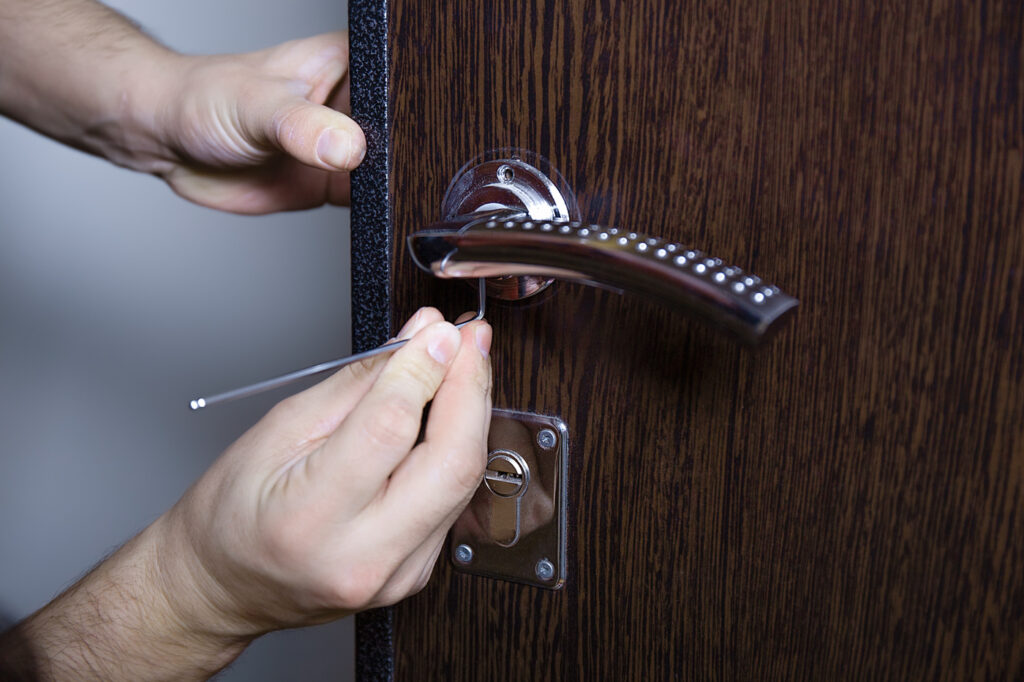

In this article, we delve into the essential aspects of restaurant security, focusing on commercial kitchen and restaurant lock solutions. We explore practical tips, expert advice, and actionable information tailored for Canadian restaurant owners, ensuring both security and compliance with local standards.
Understanding the Importance of Restaurant Security
Restaurant security is a vital concern for food service businesses across Canada. From bustling commercial kitchens to serene dining areas, ensuring the safety of both staff and patrons is paramount. Effective security measures not only protect valuable assets and inventory but also enhance the overall dining experience. In this section, we will explore why restaurant security is crucial and how it impacts the food service industry.
The Unique Security Challenges in Restaurants
Restaurants face distinct security challenges due to their dynamic environments. High foot traffic, valuable inventory, and extended operating hours can make them targets for theft and vandalism. Additionally, the fast-paced nature of kitchen operations requires a balance between accessibility and security, making the choice of restaurant locks critical.
Protecting Food Inventory
Food inventory is a significant investment for any restaurant, and protecting it from theft or spoilage is essential. Implementing robust security measures, such as secure storage areas and monitored access, can help safeguard these assets. For professional locksmith services, consider contacting our certified technicians at commercial locksmith services.
Ensuring Staff and Patron Safety
Beyond protecting physical assets, ensuring the safety of staff and patrons is a top priority. Properly designed hospitality security systems can prevent accidents, manage crowd control, and address emergencies promptly. Incorporating emergency exits and clear signage are essential components of a comprehensive security strategy.
Compliance with Canadian Standards
Canadian restaurants must adhere to specific building codes and standards to ensure safety and security. Understanding these requirements is crucial for maintaining compliance and avoiding potential legal issues. This includes regulations on fire safety, emergency exits, and the installation of appropriate commercial doors and locks.
Fire Safety Regulations
Fire safety is a critical component of restaurant security. Canadian regulations mandate that commercial kitchens have adequate fire suppression systems and accessible emergency exits. Regular inspections and maintenance of these systems are necessary to ensure they function correctly during an emergency.
Accessibility Standards
Ensuring accessibility for all patrons is not only a legal requirement but also a moral obligation. Compliance with Canadian accessibility standards involves installing ramps, wide doors, and other facilities that accommodate individuals with disabilities. This enhances the overall customer experience and broadens the potential customer base.
Choosing the Right Locks for Your Restaurant
Selecting the appropriate locks is a crucial aspect of restaurant security. The choice of locks affects not only the safety of the premises but also the efficiency of operations. In this section, we will discuss various types of locks suitable for different areas within a restaurant setting.
Types of Locks for Commercial Kitchens
Commercial kitchens require locks that can withstand the rigours of a busy environment. These locks must be durable, easy to use, and resistant to high temperatures and humidity levels typically found in kitchen settings.
Heavy-Duty Deadbolts
Heavy-duty deadbolts are an excellent choice for securing kitchen doors. They offer robust protection against forced entry and are designed to withstand significant wear and tear. Installing deadbolts on all exterior doors is a wise investment in your restaurant’s security.
Keyless Entry Systems
Keyless entry systems provide convenience and enhanced security for restaurant staff. These systems eliminate the need for physical keys, reducing the risk of unauthorized duplication. They also allow for easy management of access privileges and can be integrated with other security systems for comprehensive protection.
Security Solutions for Dining and Service Areas
The dining and service areas of a restaurant require a different approach to security. These spaces must be welcoming and accessible while still providing adequate protection for patrons and staff.
Access Control Systems
Access control systems are ideal for managing entry to dining and service areas. These systems can be programmed to restrict access during specific hours, ensuring that only authorized personnel can enter certain parts of the restaurant. This is particularly useful during after-hours cleaning and maintenance.
Surveillance Cameras
Installing surveillance cameras in dining and service areas can deter theft and vandalism, while also providing valuable evidence in the event of an incident. Cameras should be strategically placed to cover key areas and entrances without infringing on patrons’ privacy.
Implementing a Comprehensive Security Plan
A well-rounded security plan is essential for any restaurant aiming to protect its assets, staff, and patrons. This plan should encompass a variety of security measures tailored to the unique needs of the food service industry.
Conducting a Security Audit
Before implementing new security measures, conducting a thorough security audit is crucial. This involves assessing current systems, identifying vulnerabilities, and determining the best solutions for your specific needs. If you need expert locksmith advice, contact our certified technicians for a professional assessment.
Identifying Vulnerabilities
During the audit, it’s important to identify all potential security vulnerabilities. This includes evaluating the physical layout of the restaurant, the condition of existing locks and access points, and the effectiveness of current security protocols.
Developing a Response Plan
A comprehensive security plan should also include a response plan for emergencies such as fires, break-ins, or other incidents. This plan should outline the steps to be taken in various scenarios and designate responsibilities to staff members, ensuring a swift and organized response.
Training Staff on Security Protocols
Training staff on security protocols is a vital component of any restaurant’s security plan. Employees should be well-versed in identifying potential threats, operating security systems, and executing emergency response procedures.
Regular Training Sessions
Regular training sessions should be conducted to keep staff informed about the latest security measures and protocols. This ensures that all employees are prepared to handle security-related situations confidently and competently.
Encouraging a Security-Conscious Culture
Promoting a security-conscious culture within the restaurant can significantly enhance overall safety. Encourage staff to report suspicious behaviour, suggest improvements to existing systems, and participate actively in maintaining a secure environment.
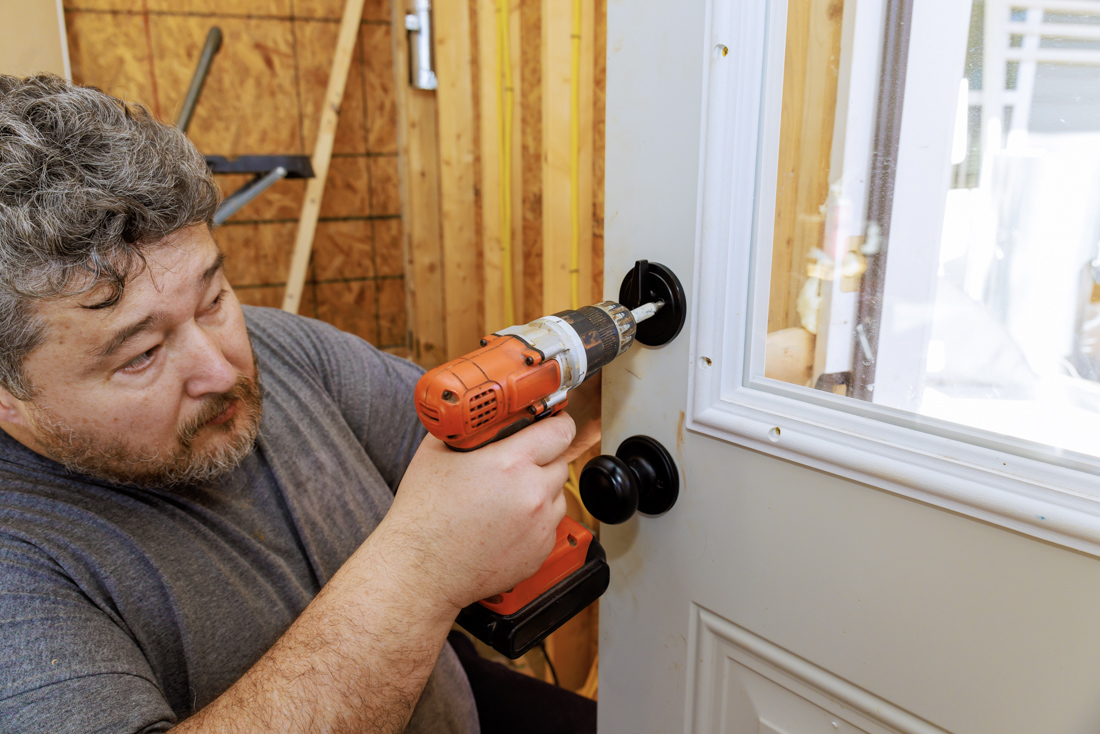
Implementing Advanced Technology for Enhanced Security
As technology continues to advance, integrating modern solutions into your restaurant’s security plan can provide significant benefits. From digital locks to comprehensive surveillance systems, embracing technology can streamline operations and enhance security.
Smart Lock Systems
Smart lock systems are becoming increasingly popular in the food service industry for their convenience and security features. These systems allow restaurant owners to manage access remotely, providing the ability to lock or unlock doors from anywhere via a smartphone app. This not only enhances security but also increases operational efficiency by eliminating the need for physical keys.
Remote Access Management
With smart locks, restaurant managers can control access for employees and service personnel remotely. Temporary access codes can be issued for deliveries or maintenance without compromising security. This flexibility is particularly beneficial for establishments with multiple locations or those operating during unconventional hours.
Integration with Existing Security Systems
Smart locks can be integrated with other security measures such as surveillance cameras and alarm systems, creating a cohesive security network. This integration allows for real-time monitoring and alerts, ensuring that any unauthorized access attempts are immediately detected and addressed.
Advanced Surveillance Technology
Surveillance technology has evolved significantly, offering comprehensive solutions that go beyond traditional CCTV systems. Modern surveillance cameras provide high-definition video, night vision, and even facial recognition capabilities, enhancing the overall security of your restaurant.
Strategic Camera Placement
For effective surveillance, it’s crucial to strategically place cameras throughout your restaurant. Key areas include entrances and exits, cash registers, storage rooms, and any other locations where valuable assets are stored. This ensures that all critical areas are monitored, deterring potential theft and providing evidence if an incident occurs.
Cloud-Based Video Storage
Utilizing cloud-based storage for surveillance footage offers several advantages. It provides secure backup, easy access, and the ability to review footage remotely. This flexibility is invaluable for restaurant owners who manage multiple locations or travel frequently.
Maintaining Security Systems for Long-Term Effectiveness
Once your restaurant’s security systems are in place, regular maintenance and updates are essential to ensure their continued effectiveness. Neglecting maintenance can lead to vulnerabilities that compromise safety and security.
Regular System Inspections
Conducting regular inspections of your security systems helps identify any issues before they become significant problems. This includes checking locks, cameras, alarms, and any other security equipment to ensure they are functioning correctly.
Professional Maintenance Services
Enlisting the help of professional locksmith services for routine maintenance can provide peace of mind. Certified technicians can perform detailed inspections, make necessary repairs, and offer expert advice on any upgrades that may enhance your security system.
Updating Security Protocols
As new threats emerge and technology advances, updating your security protocols is crucial. This may involve upgrading systems, enhancing staff training, or implementing new security measures. Staying informed about the latest security trends and innovations ensures your restaurant remains protected against evolving risks.
Implementing a Feedback Loop
Creating a feedback loop involving staff and management can help continuously improve security measures. Encourage employees to report any security concerns or suggest improvements to existing protocols. This collaborative approach fosters a security-conscious environment and helps address potential vulnerabilities promptly.
Balancing Security and Customer Experience
While robust security measures are essential, it’s equally important to ensure they do not detract from the customer experience. Striking the right balance between security and hospitality is key to maintaining a welcoming atmosphere.
User-Friendly Security Measures
Choose security solutions that are unobtrusive and user-friendly, allowing customers to enjoy their dining experience without feeling monitored or restricted. For example, discreetly placed cameras and unobtrusive access controls can provide security without being intrusive.
Customer Privacy Considerations
Respecting customer privacy is a critical aspect of restaurant security. Ensure that surveillance cameras are positioned to monitor key areas without infringing on personal privacy. Clearly communicate security measures to patrons, reassuring them that their safety is a top priority.
Creating a Welcoming Environment
Security measures should enhance, not hinder, the overall ambiance of your restaurant. Design your security systems to blend seamlessly with the restaurant’s aesthetics, creating a safe yet inviting space for customers and staff alike.
Staff Engagement and Hospitality
Train staff to engage with customers in a friendly and professional manner while remaining vigilant about security. Employees should be able to provide information about security measures if asked, reinforcing the restaurant’s commitment to customer safety.
Conclusion
Incorporating comprehensive security measures into your restaurant ensures the safety of your staff, patrons, and assets. By understanding the unique security challenges faced by Canadian restaurants and implementing advanced technologies and protocols, you can create a secure environment that enhances both safety and customer experience. Whether you are a DIY enthusiast or prefer the expertise of our certified technicians, having a robust security plan in place is crucial for the success of your business.
For more information on how Fortify Services can help you enhance your restaurant’s security, don’t hesitate to reach out. Our team of experts is ready to assist you in developing and implementing tailored security solutions that meet your specific needs. Contact us today to ensure your restaurant remains a secure and welcoming environment for all.