

Upgrading your home locks can do more than improve day-to-day safety. In Canada, the right lock standards, security certification, and protective locks may support home insurance approval, help with insurance compliance, and even open the door to coverage improvements or insurance discounts.
Why Lock Upgrades Matter for Canadian Home Insurance
Many homeowners think of locks as a basic security feature, but insurers often see them as part of the full risk picture. When you apply for home insurance, renew a policy, or ask about coverage improvements, your provider may review your entry doors, windows, garage access, and any detached buildings. If your locks are outdated, damaged, or below current lock standards, it can affect policy requirements, premiums, or even claim outcomes.
That is why insurance locks matter. They are not just about keeping intruders out. They can also help show that your home meets reasonable insurance requirements for protection. In some cases, security upgrades may support insurance discounts, especially when paired with monitored alarms, cameras, or reinforced doors.
How insurers look at home security
Most home insurance providers in Canada assess how likely a break-in or property loss may be. A home with weak door hardware, old key-in-knob locks, or doors that do not latch properly may be seen as a higher risk. A home with deadbolts, reinforced strike plates, and security certification on approved products may present a stronger case for insurance compliance.
While every insurer has its own rules, common concerns include:
- Whether exterior doors have proper deadbolts
- Whether basement or side entrances are secured
- Whether sliding doors have extra protective locks
- Whether rental suites or secondary units have separate secure access
- Whether there is visible damage that reduces lock performance
For homeowners in cities and suburbs across Canada, a lock upgrade can be a practical first step before shopping around for home insurance or asking your broker about better terms. If you are unsure where your current hardware stands, professional locksmith services can help assess weak points and recommend suitable options.
Can better locks lower your premium?
Sometimes, yes, but not always in a direct or guaranteed way. Insurance discounts depend on the insurer, the province, your claims history, and the overall security profile of the home. Some companies offer lower rates for approved security upgrades, while others use lock quality as one factor among many.
In practical terms, upgraded insurance locks may help by:
- Reducing the risk of forced entry
- Supporting your application for broader home insurance coverage
- Helping you meet policy requirements for vacant homes, rentals, or high-value properties
- Showing that you have taken reasonable steps to protect the property
If your goal is insurance discounts, ask your insurer a clear question before spending money: “Which lock standards or security certification do you recognize?” That answer can help you choose upgrades that are more likely to count.
Why Canadian homeowners should not ignore lock condition
Weather plays a big role in lock performance across Canada. Freezing temperatures, moisture, salt, and repeated expansion and contraction can wear down cylinders, misalign doors, and weaken hardware. A lock that worked well a few years ago may no longer meet practical insurance requirements if it sticks, fails to latch, or can be bypassed easily.
This matters in detached homes, condos, cottages, and duplexes alike. In colder regions, a warped frame or loose strike plate can make even a decent deadbolt less effective. Regular maintenance and timely replacement are part of smart security upgrades, not just emergency fixes.
Understanding Lock Standards, Insurance Requirements, and Security Certification
Not all locks offer the same level of protection. If you want better insurance compliance, it helps to understand the language used by insurers, locksmiths, and hardware manufacturers. Terms like lock standards, security certification, and protective locks may sound technical, but the basic idea is simple: stronger, tested products are usually preferred over basic hardware.
What are insurance locks?
Insurance locks are locks that help satisfy common insurer expectations for residential security. There is no single universal product called an “insurance lock,” but the term usually refers to high-quality deadbolts, multi-point locking systems, and other protective locks designed to resist forced entry.
Features often associated with insurance locks include:
- A solid deadbolt with a proper throw length
- Drill-resistant or pick-resistant cylinders
- Reinforced strike plates with longer screws
- Durable hardware tested to recognized standards
- Reliable performance in Canadian weather conditions
If you need help choosing the right setup, an expert locksmith can explain which products fit your door type, neighbourhood risk, and insurer expectations.
Common lock types that support better protection
Single-cylinder deadbolts
These are a common choice for front and back doors. They lock from the inside with a thumb turn and from the outside with a key. For many homes, this is a practical baseline for home insurance purposes, especially when installed correctly on a solid door.
Double-cylinder deadbolts
These require a key on both sides. They may be used where glass panels near the door could allow someone to break the glass and reach the thumb turn. However, local fire safety concerns must always be considered. In some situations, quick exit requirements may make this style less suitable. Always check local code guidance and ask a professional before installing one.
Smart locks with backup security
Some modern smart locks can support security upgrades if they include strong mechanical hardware, encrypted access, and reliable battery backup. Insurers may not automatically treat all smart locks the same, so it is wise to confirm whether your chosen model meets policy requirements.
Multi-point locking systems
These systems secure the door at several points rather than just one. They are often found on newer doors and can be a strong option for coverage improvements, especially on main entry doors or patio access points.
Do certified locks make a difference?
They often do. Security certification shows that a lock has been tested against certain performance standards. While your insurer may not ask for a specific brand, certified products can make it easier to demonstrate that your security upgrades are serious and professionally chosen.
When comparing hardware, look for product details about testing, grade, and intended use. A lock made for light interior use will not provide the same protection as one rated for exterior residential security. This is where certified locksmith services can be especially helpful, because installation quality matters just as much as the lock itself.
Questions to ask your insurer before upgrading
Before buying new locks, contact your home insurance provider or broker and ask:
- Do you require deadbolts on all exterior doors?
- Do you recognize specific lock standards or grades?
- Will these security upgrades affect my premium or eligibility for insurance discounts?
- Are there extra policy requirements for basement suites, home offices, or short-term rentals?
- Do I need proof of installation for insurance compliance?
These questions can save you time and help you avoid spending money on hardware that does not support your coverage goals.
Best Lock Upgrades for Coverage Improvements and Safer Entry Points
Some upgrades offer better value than others. If you want practical coverage improvements, start with the areas insurers and locksmiths pay the most attention to: main doors, secondary entrances, and vulnerable glass-adjacent access points.
Front door and back door upgrades
Your main entry doors should have a quality deadbolt, a solid strike plate, and screws long enough to anchor into the wall framing. If the door is hollow, warped, or damaged, replacing the lock alone may not be enough. Good insurance compliance depends on the full door assembly working together.
Homeowners often get the best results by combining:
- A properly graded deadbolt
- A reinforced strike plate
- Hinge upgrades on outward-opening doors
- Door frame reinforcement
These protective locks and hardware improvements can strengthen the most common break-in points without making daily use difficult. If your current setup feels loose or unreliable, contact our locksmith team to review options that fit your home and budget.
Sliding and side door protection
Sliding patio doors and side entrances are often overlooked. Many have factory latches that are convenient but not strong enough for modern security needs. Adding protective locks, security bars, or anti-lift devices can be a smart move for both safety and home insurance discussions.
For side doors, especially those leading to garages or laneways, make sure the lock, frame, and lighting all support the same level of protection as the front entrance. A strong lock on a weak side door may still leave your home exposed.
Garage entry and interior access doors
An attached garage can be one of the weakest points in a home if the entry door to the house has only a basic knob lock. From an insurance point of view, that door should be treated like any other exterior access point. A deadbolt, solid-core door, and reinforced frame can support better home insurance protection and reduce the chance of forced entry from the garage.
This is especially important in Canadian winters, when homeowners may rely on garage access more often and overlook wear on the lock or frame. If your garage door opener is older, consider updating keypad codes and checking that the emergency release is protected. For a full review of connected entry points, professional locksmith services can help identify weak spots that may affect insurance compliance.
Basement suites, rental units, and secondary entrances
Many Canadian homes now include basement apartments, in-law suites, or separate entrances. These setups can create extra policy requirements because insurers may see them as higher-risk areas if access is not clearly secured. In some cases, separate occupancy or short-term rental use may affect your home insurance terms.
For these doors, focus on:
- Proper deadbolts on all private exterior entrances
- Rekeying between tenants or after occupancy changes
- Secure door closers and latching hardware
- Clear key control so old keys no longer work
These security upgrades do more than improve convenience. They show that you are taking reasonable steps to manage access, which may help with coverage improvements and smoother policy renewals.
Installation, Documentation, and Insurance Compliance
Choosing good hardware is only part of the job. For insurance locks to deliver real value, they must be installed correctly and supported by clear records. A high-grade deadbolt on a weak frame, short screws, or a misaligned door may still fail under pressure. That is why insurers often care about the whole security setup, not just the lock brand.
Why professional installation matters
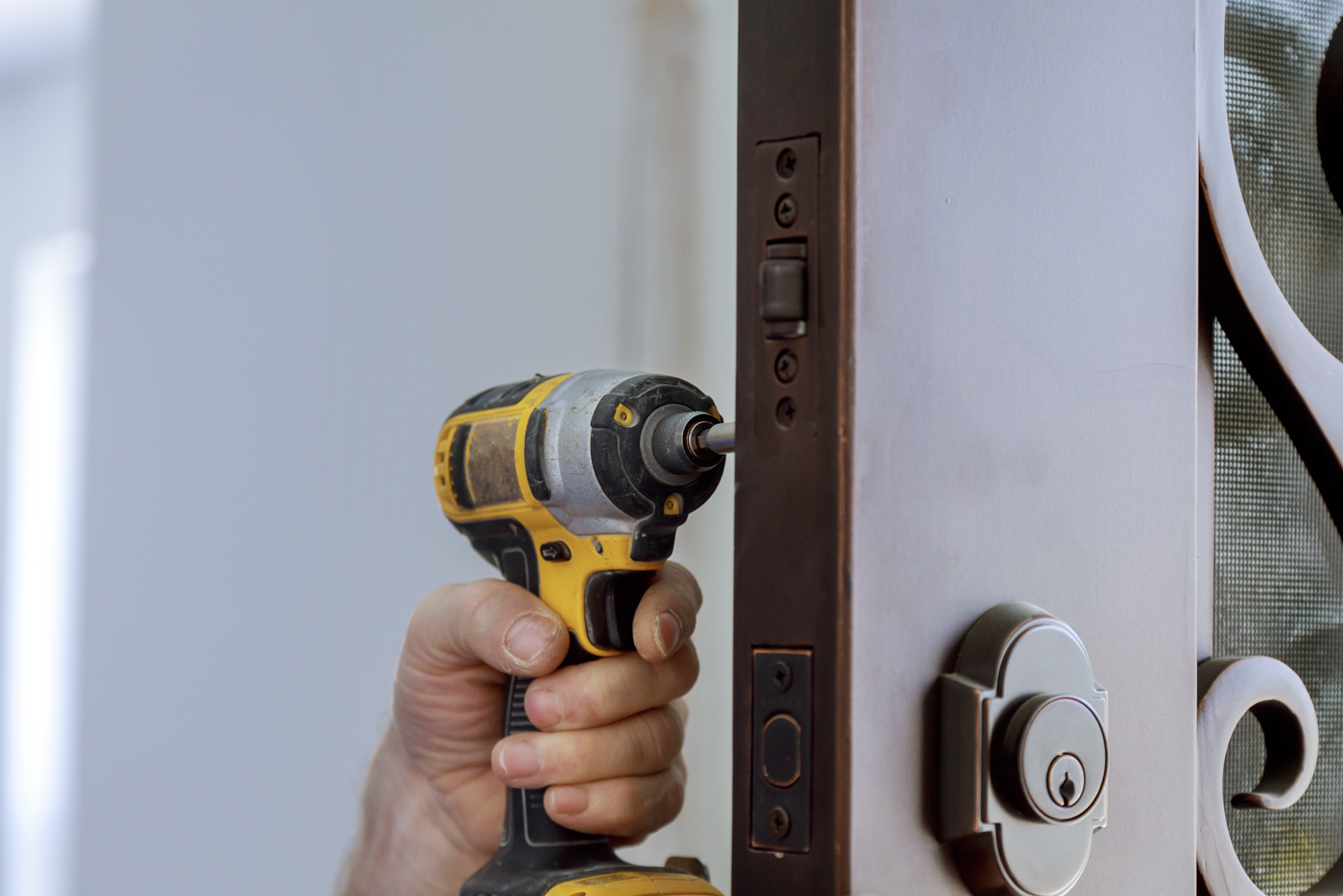
Many homeowners are comfortable with basic DIY work, and simple lock replacements can be manageable. Still, when the goal is insurance compliance, professional installation often makes more sense. A locksmith can check door alignment, frame strength, strike placement, and latch depth to make sure the hardware performs as intended.
This is particularly useful for older homes in Canada, where settling, swelling, and seasonal movement can affect lock function. Even a quality lock may not meet practical lock standards if the bolt does not extend fully or the frame shifts in cold weather. If you want dependable results, an expert locksmith can install and test the full assembly properly.
Keep records of your security upgrades
If you are investing in protective locks for home insurance reasons, save your paperwork. Some insurers may ask for proof that upgrades were completed, especially after a policy change, a break-in claim, or a request for insurance discounts.
Helpful records include:
- Receipts for locks, reinforced hardware, and related products
- Photos of installed deadbolts, strike plates, and upgraded doors
- Product details showing grade or security certification
- Invoices from a locksmith showing the work completed
Good documentation can support your case if there is ever a question about policy requirements or whether reasonable security measures were in place at the time of a loss.
Check policy wording before and after upgrades
Not all coverage improvements happen automatically. After installing new locks, contact your insurer or broker and let them know what changed. Ask whether the upgrades affect your premium, eligibility, or endorsements. This is also a good time to confirm whether your home insurance has any special conditions for vacancy, renovations, home businesses, or rental use.
In some provinces, insurers may use different wording around theft protection, forced entry, or unoccupied homes. A cottage in Ontario, a duplex in Alberta, or a condo in British Columbia may each have different concerns based on use and location. Reviewing your policy keeps expectations clear and helps you avoid surprises at claim time.
How to Choose the Right Lock Upgrades for Your Home and Budget
The best security upgrades are the ones that match your home, your risk level, and your insurer’s expectations. You do not always need the most expensive hardware. In many cases, a few targeted improvements can bring better value than replacing every lock at once.
Start with a home security priority list
Walk around your property and note every access point: front door, back door, side door, patio door, garage entry, basement entrance, and any detached workshop or shed with valuables inside. Then ask a few simple questions:
- Which doors are used most often?
- Which locks feel loose, sticky, or outdated?
- Are there doors near glass panels that need extra protection?
- Have keys been lost, copied, or passed to former tenants or contractors?
This quick review can help you focus on the upgrades most likely to improve security and support home insurance goals.
Balance cost with long-term value
Some homeowners hesitate because they expect major costs, but many effective upgrades are affordable. Reinforced strike plates, longer screws, rekeying, and better deadbolts can all improve security without a full door replacement. If you are planning renovations, that may also be the right time to add multi-point locks or stronger entry systems.
Think beyond the upfront price. Better lock standards may help reduce the chance of a break-in, lower out-of-pocket losses, and support insurance compliance over time. If your insurer offers insurance discounts for approved security upgrades, the long-term value may be even better.
When rekeying is the smarter move
Not every security issue requires brand-new hardware. If your locks are in good condition but key control is the problem, rekeying may be the better option. This is common after buying a home, ending a tenancy, completing renovations, or losing track of spare keys.
Rekeying can help restore control quickly while keeping costs manageable. It is also a useful step when updating access for family members, caregivers, or service providers. For advice on whether to rekey or replace, certified locksmith services can assess what makes the most sense for your door hardware and insurance needs.
Combine locks with other protective measures
Insurers usually look at overall risk, not just one product. Strong locks work best when paired with other sensible measures such as exterior lighting, alarm systems, cameras, trimmed landscaping, and secure windows. Together, these upgrades create a stronger case for insurance compliance and better protection.
For many Canadian households, the goal is not just to meet minimum policy requirements. It is to create a home that feels secure year-round, whether you live in a busy city neighbourhood, a suburban development, or a seasonal property outside town.
Final Thoughts on Lock Upgrades and Home Insurance
Upgrading your locks is a practical way to protect your home and strengthen your position with insurers. The right insurance locks, installed properly and backed by clear documentation, may support coverage improvements, help meet policy requirements, and in some cases qualify you for insurance discounts. Just as important, they can reduce everyday risk and give you more confidence in your home’s security.
If you are unsure which lock standards, protective locks, or security certification matter most for your property, it helps to get professional guidance before you spend money. Fortify Services provides locksmith services in Canada tailored to homeowners who want safer entry points, better key control, and upgrades that align with real insurance requirements. Contact Fortify Services to book an assessment and find the right security upgrades for your home.