


Learn how to winterize your garage door for Canadian weather with expert tips, a detailed maintenance checklist, and proven methods to protect your garage from snow, ice, and freezing temperatures. Keep your garage secure, functional, and insulated all winter long.
Why Winter Garage Door Preparation Is Essential in Canada
Canadian winters are no joke. From heavy snowfalls in Ontario to bitter cold snaps in Alberta, your garage door faces some of the harshest conditions in the country. Without proper garage door winter preparation, your door can freeze shut, malfunction, or even suffer long-term damage. Preparing your garage door for winter is not just about comfort—it’s about performance, safety, and energy efficiency.
Protecting Your Home and Valuables
Your garage is more than just a place to park your car—it often serves as a workspace, storage area, or even a secondary entrance to your home. A poorly maintained garage door in winter can lead to:
- Cold drafts entering your home and increasing heating costs
- Moisture damage to tools, equipment, or stored goods
- Frozen door components leading to breakdowns or safety risks
Weather Extremes Across Canada
From the humid cold of the Maritimes to the dry deep-freeze of the Prairies, each Canadian region presents unique winter challenges. That’s why it’s crucial to winterize your garage door in Canada with a tailored approach that considers your local climate and garage door type.
Step-by-Step: How to Winterize Your Garage Door in Canada
If you’re wondering how to prepare your garage door for cold weather, this section breaks down everything you need to do before the snow flies. Whether you’re a handy homeowner or prefer to call in the pros, following this winter garage door checklist will help ensure reliable performance all season long.
Step 1: Inspect the Overall Condition of Your Garage Door
Start your pre-winter garage door inspection by examining your entire door system. Begin with a visual assessment:
- Check for rust, dents, or warping on the panels
- Look for gaps between the door and the frame
- Inspect cables, rollers, and hinges for wear or fraying
If you notice any mechanical issues, it’s best to contact our certified technicians for a full inspection and professional garage door repair services.
Step 2: Lubricate Moving Parts
Freezing temperatures can cause metal parts to contract and seize up. Use a silicone-based lubricant to treat:
- Rollers
- Hinges
- Springs
- Tracks
This simple step goes a long way in reducing wear and tear during cold weather. Avoid using grease, as it can thicken in the cold and cause more harm than good.
Step 3: Replace Damaged Weatherstripping
One of the most effective ways to improve your garage door weather protection is by replacing worn or cracked weatherstripping. Check the rubber seal at the bottom of the door as well as the side and top seals. If you can see daylight around the door, cold air and moisture are getting in.
How to Replace Weatherstripping
- Remove the old weatherstripping with a flathead screwdriver
- Clean the surface thoroughly
- Cut new stripping to size
- Attach using nails or adhesive, depending on the product
Proper sealing helps with energy efficiency and protects your garage contents from snow and ice.
Step 4: Test the Balance and Operation
Cold weather can affect the tension of your garage door springs. To test the balance:
- Disconnect the opener
- Lift the door manually halfway
- Release it gently
If it stays in place, your door is balanced. If it falls or rises, the tension may need adjusting—a job best left to professionals. Learn more about our maintenance services to keep your door running smoothly all winter long.
Cold Weather Garage Door Tips for Canadian Homeowners
Even after your main winter prep is done, regular care and attention can prevent unexpected issues during the cold months. Here are some expert-approved cold weather garage door tips to keep your door in top shape all winter.
Keep the Area Around the Garage Door Clear
Snow and ice buildup near the base of your garage door can cause it to freeze shut or damage the bottom seal. Make it a habit to:
- Shovel snow away from the door after each snowfall
- Avoid piling snow against the door or garage walls
- Use ice melt products sparingly to prevent corrosion
Open and Close the Door Regularly
During long stretches of extreme cold, it’s helpful to open and close your garage door at least once a day. This keeps parts moving, prevents freezing, and ensures your system is functioning properly. If you hear grinding or popping sounds, it may be time for a tune-up.
Check Safety Features and Sensors
Garage door sensors can become misaligned or obstructed by snow and slush. Keep them clean and test their function regularly:
- Wipe lenses with a soft cloth
- Ensure sensors are level and facing each other
- Test the auto-reverse feature by placing an object under the door
If your safety system isn’t working properly, professional garage door repair services can get it back in order quickly.
Insulate Your Garage Door
If your garage is attached to your home, insulation is a must. A properly insulated door helps regulate indoor temperatures and reduces heating costs. Look for an R-value of at least R-12 for Canadian winters. If your door isn’t insulated, consider upgrading. If you need expert installation, Fortify Services offers energy-efficient doors built for Canadian climates.
Creating a Seasonal Garage Door Maintenance Schedule
Staying on top of your garage door maintenance schedule is the best way to prevent costly repairs or untimely breakdowns—especially during the winter. A well-maintained door is safer, more efficient, and lasts longer.
Monthly Maintenance Checklist
- Visually inspect all parts for wear or damage
- Lubricate moving components
- Test the auto-reverse and sensor system
- Listen for unusual noises during operation
Seasonal Maintenance Checklist
Before each season, especially winter, add these tasks to your garage door seasonal preparation:
- Check weatherstripping and seals
- Inspect insulation and door panels
- Test the door balance and opener
- Schedule a professional inspection if needed
Not sure where to start? Contact our certified technicians for a complete seasonal tune-up tailored to your garage door model and local conditions.
Benefits of a Regular Maintenance Plan
Following a structured maintenance plan offers several benefits:
- Prevents emergency repairs in freezing conditions
- Extends the life of your door and opener
- Improves energy efficiency and indoor comfort
- Keeps your family safe with functioning safety features
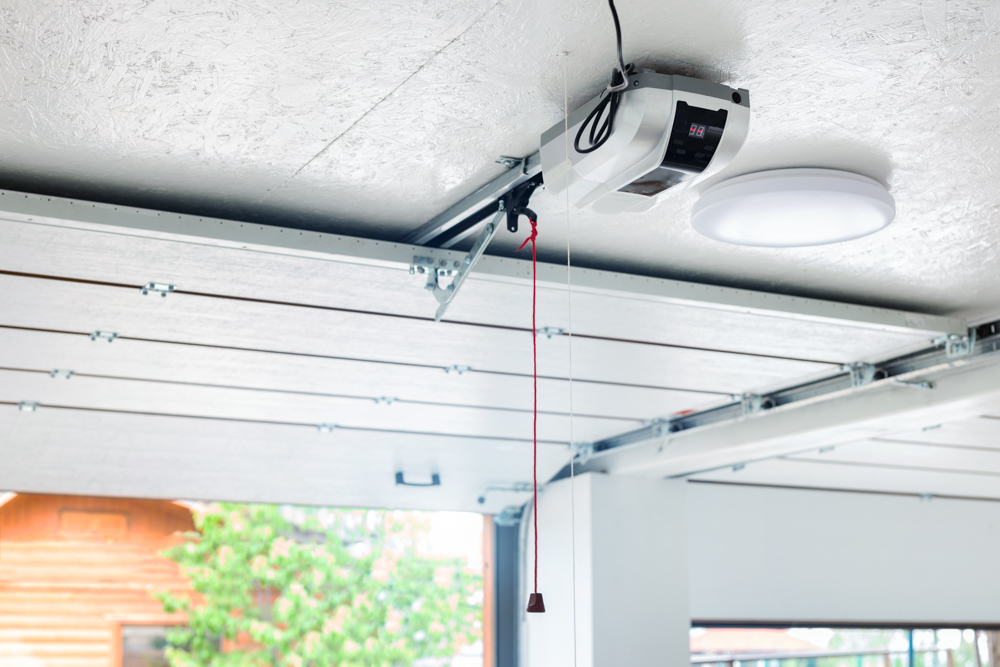
With Canadian winters being as unpredictable as they are, winter readiness for your garage door isn’t optional—it’s essential.
Common Garage Door Issues During Canadian Winters
Even with the best preparation, winter can still cause issues for your garage door. Understanding the most common cold-weather problems can help you respond quickly and avoid long-term damage. Here’s what to watch for during a typical Canadian winter season.
Frozen Garage Door Seals
One of the most frustrating winter problems is a frozen garage door. When snow and ice collect near the base, the bottom seal can freeze to the ground. Trying to force the door open can rip the seal or damage the opener.
What to Do if Your Garage Door Freezes
- Use a space heater or hair dryer to gently melt the ice
- Apply de-icing solution or rubbing alcohol around the seal
- Never use hot water—it can refreeze and worsen the issue
Prevent freezing by keeping the door threshold clear and applying a silicone-based lubricant to the bottom seal for added protection.
Opener Struggles in Cold Temperatures
Garage door openers can become sluggish or unresponsive in freezing conditions. The motor may take longer to start, or the door may not open fully. Cold temperatures can also cause batteries in remote controls to lose power faster.
If your opener is having trouble, try the following:
- Replace remote control batteries
- Lubricate all moving parts regularly
- Contact professional garage door repair services if the motor continues to struggle
Brittle Materials and Cracked Panels
Cold temperatures can make garage door materials—especially plastic and older wood—more brittle. This can lead to cracks or breaks in the panels or hardware, particularly when opening and closing the door multiple times in freezing weather.
If your garage door panels are showing signs of wear or cracking, it could be time to consider an upgrade. If you need expert installation, Fortify Services provides durable, insulated doors designed for Canadian winters.
How to Choose the Right Garage Door for Winter Weather
If your current door isn’t performing well in winter, or if it’s more than 15–20 years old, it may be time to consider a replacement. Choosing the right garage door for Canadian winters means looking beyond just appearance—you’ll need something built to handle snow, ice, and sub-zero temperatures.
Look for High Insulation Values
Insulation is one of the most important factors for winter performance. In Canada, garage doors with an R-value of R-12 to R-18 are ideal for energy efficiency and comfort. This helps reduce heat loss and keeps your garage—and home—warmer.
Types of Insulation:
- Polystyrene (Styrofoam): Affordable and lightweight, but less effective than polyurethane
- Polyurethane: Offers superior insulation and structural strength
Choose Durable, Weather-Resistant Materials
Canadian winters demand materials that won’t crack, warp, or rust. Consider:
- Steel: Extremely durable and can be insulated
- Fibreglass: Lightweight and resistant to moisture, though less insulating
- Aluminium: Light and modern, but may not handle extreme cold as well as steel
Upgrade to Weather-Sealed Hardware
Modern garage doors come with weather-sealed tracks, hinges, and rollers that are designed to perform in extreme temperatures. These reduce drafts and prevent moisture from entering your garage.
If you’re thinking of replacing your current door, our team can help you select a model that meets your climate needs, style preferences, and budget. Contact Fortify Services for professional garage door installation built for Canadian conditions.
Professional Garage Door Winter Services in Canada
While many homeowners are comfortable handling basic winter prep, some tasks are best left to the pros. Certified technicians have the tools and experience to inspect, maintain, and repair garage doors safely and efficiently—especially in freezing climates.
What’s Included in a Winter Garage Door Service?
At Fortify Services, our garage door winter service includes a comprehensive inspection and tune-up tailored for Canadian winters. We check for:
- Proper balance and spring tension
- Weatherstripping condition and seal performance
- Opener function and emergency release
- Insulation levels and energy efficiency
- Lubrication of all moving parts
Why Hire a Professional?
Garage door systems operate under high tension, and attempting DIY repairs without proper training can be dangerous. Hiring a professional ensures:
- Safe and accurate spring adjustments
- Longer lifespan for parts and components
- Proper setup of safety sensors and auto-reverse features
- Peace of mind during the harshest months of the year
If you’re unsure about your garage’s condition or need a reliable tune-up before the snow arrives, contact our certified technicians for timely, trustworthy service.
Garage Door Weather Protection Tips for Extreme Cold
In some parts of Canada, temperatures can fall below -30°C. If you live in areas like Saskatchewan, Northern Ontario, or Quebec’s interior, your garage door needs extra attention. Here are some advanced tips for garage door weather protection in extreme cold.
Install a Garage Heater
Installing a small garage heater can help maintain a more stable temperature inside your garage. This is especially useful if you use your garage as a workshop or if your water pipes run through it.
Make sure the heater complies with local building codes and is safely installed away from flammable materials. Heated garages are also less likely to have frozen doors and mechanical issues.
Use a Bottom Seal with Thermal Break
Standard rubber seals can become brittle in deep cold. Look for a thermal break seal, which adds insulation between the garage floor and the door. This upgrade prevents heat loss and stops frost from forming along the bottom edge.
Seal Gaps Around the Frame
Even with new weatherstripping, small gaps can form around the garage door frame over time. Fill these with expanding foam or caulking designed for cold temperatures. This helps reduce drafts and improves overall energy efficiency.
Upgrade to a Smart Garage Door Opener
Smart openers allow you to monitor and control your garage door remotely. If you’re away during a storm, you can still check if the door is closed or open it for deliveries. Some models even send alerts if the door is left open too long.
This added convenience and security can be especially useful during Canadian winters when quick access and remote control are important.
Final Thoughts: Be Ready Before the First Snowfall
Preparing your garage door for winter in Canada is more than just a seasonal chore—it’s a smart investment in your home’s safety, comfort, and efficiency. Whether you tackle the basics yourself or rely on professionals, a well-maintained garage door will serve you reliably through snow, ice, and freezing temperatures.
Your Winter Garage Door Checklist
Here’s a quick recap of your winter garage door checklist:
- Inspect the overall condition of the door and hardware
- Lubricate all moving parts with silicone-based products
- Replace damaged or worn weatherstripping
- Test the door balance and opener function
- Keep the area clear of snow and ice
- Open and close the door regularly to prevent freezing
- Check sensors and auto-reverse features
- Consider adding insulation or replacing the door
- Schedule regular maintenance or a professional tune-up
Why Choose Fortify Services
At Fortify Services, we understand Canadian winters better than anyone. Our local team brings expert knowledge, quality materials, and reliable service to every project. Whether you need seasonal maintenance, professional garage door repair services, or a new installation built for cold climates, we’re here to help.
Don’t wait until the storm hits. Contact our certified technicians today to schedule your winter garage door service and make sure your home is ready for whatever a Canadian winter throws your way.