


Choosing the right door lock is essential for keeping your home or business secure in Canada’s unique climate. From deadbolts and cylinder locks to electronic options and commercial-grade systems, understanding the different types of door locks can help you make informed decisions. This comprehensive guide explores various lock varieties, their pros and cons, and expert tips tailored to Canadian homeowners and property managers.
Understanding Door Lock Types in Canada
When it comes to securing your property, the type of door lock you choose makes a significant difference. With a wide range of lock options available in Canada, homeowners and business owners must consider both security and practicality. Whether you’re upgrading your front door, replacing a broken lock, or securing a commercial space, knowing your lock varieties can help you make the right choice for your needs and environment.
Why Door Lock Selection Matters
Choosing the wrong lock can leave your home vulnerable, especially during Canadian winters when extreme cold and fluctuating temperatures can affect a lock’s performance. Having the right security locks not only protects your family and belongings but also gives you peace of mind. In Canada, where weather and regional regulations can vary, understanding your door lock options is more important than ever.
Let’s explore the most popular and trusted types of door locks available across the country.
Deadbolts: A Canadian Favourite for Home Security
Deadbolts are among the most common and reliable residential locks used in Canada. Known for their resistance to forced entry, deadbolts are ideal for front doors, back doors, and garage entry points.
Types of Deadbolts
There are several types of deadbolts to consider:
Single Cylinder Deadbolt
This type features a key-operated lock on the outside and a thumb turn on the inside. It’s a popular choice for homes and apartments because it offers solid protection without sacrificing convenience.
Double Cylinder Deadbolt
Double cylinder deadbolts require a key on both sides of the door. While they offer extra security near windows or glass panels, they can pose a safety risk in emergencies if the key is not readily available inside.
Lockable Thumbturn Deadbolt
A hybrid of the two, this type allows the thumb turn to be locked with a key. It’s a great balance for homeowners wanting flexibility and added protection.
Advantages of Deadbolts
- Strong resistance to physical attacks like kicking or prying
- Affordable and widely available
- Comes in a variety of finishes and sizes
Considerations for Canadian Homes
In colder provinces, look for deadbolts with weather-resistant finishes and insulated internal mechanisms. Canadian winters can freeze or jam cheaper locks, so investing in quality is key. Brands like Schlage, Weiser, and Medeco offer excellent deadbolt options suitable for our climate.
When to Call a Locksmith
If you need expert locksmith support for installing or upgrading your deadbolt system, contact our certified technicians at Fortify Services. We offer professional installation and security assessments tailored to your home’s needs.
Cylinder Locks: Versatile and Widely Used
Cylinder locks are another staple in both residential locks and commercial locks. These locks operate via a key that turns a cylinder mechanism to unlock the door. They are commonly found in entrance doors, office doors, and interior rooms.
Types of Cylinder Locks
Single Cylinder
Like deadbolts, single cylinder locks are operated by a key on one side and a thumb turn on the other. They’re simple, effective, and cost-efficient.
Double Cylinder
Used where added security is needed, especially in commercial buildings, the double-cylinder lock requires a key on both sides. These are often paired with access control systems in offices and retail spaces.
Euro Profile Cylinder
Popular in Europe, these are gaining traction in parts of Canada due to their adaptability with modern door hardware. They offer high pick-resistance and easy replacement.
Benefits of Cylinder Locks
- Easy to rekey or replace without changing the entire lock
- Many models compatible with master key systems
- Work well with other lock types like mortise or electronic systems
Weather and Durability Considerations
In areas like British Columbia where moisture and rain are concerns, opt for rust-resistant finishes. In colder regions like Alberta or Saskatchewan, ensure the cylinder is freeze-proof to avoid lockouts during winter months.
Professional Installation Tips
Cylinder locks should be installed flush with the door surface to prevent snapping or forced entry. If you’re unsure about sizing or compatibility with your door, for professional locksmith services, Fortify technicians are always ready to help.
Mortise Locks: Heavy-Duty Security for Homes and Businesses
Mortise locks are commonly used in older Canadian homes and multi-unit buildings, known for their strong build and durability. They’re recessed into the door rather than mounted on the surface, offering a sleek and secure finish.
How Mortise Locks Work
Mortise locks consist of a lock body, handle, and often a deadbolt, all integrated into a single system. The mechanism fits into a pocket (mortise) cut into the door, making it more complex to install but harder to tamper with.
Pros of Mortise Locks
- Highly durable and long-lasting
- Ideal for high-traffic or commercial settings
- Accommodates both knob and lever handles
- Often includes additional security features like latch bolts
Cons and Considerations
- More complex to install—usually requires professional help
- More expensive than standard deadbolts or knob locks
Mortise Locks in Canadian Buildings
Many heritage homes in Ontario and Quebec still use mortise locks. When upgrading these systems, it’s important to preserve the door’s structure while enhancing security. Weather-sealed models are recommended for exterior use to protect against snow, ice, and moisture.
Expert Advice for Homeowners
If you’re considering upgrading to mortise locks for added security or building restoration, if you need expert locksmith guidance, Fortify Services has experience with both modern and vintage lock systems.
Electronic Locks: Smart Security for the Digital Age
With the rise of smart homes in Canada, electronic locks have become a popular choice for homeowners who want convenience without compromising safety. These locks use keypads, Bluetooth, Wi-Fi, or biometric features instead of traditional keys.
Types of Electronic Locks
Keypad Locks
Users enter a PIN to unlock the door. These are ideal for families who don’t want to worry about lost keys and can easily change codes for added security.
Smart Locks
Controlled via smartphone apps, smart locks can be operated remotely. Some models integrate with home automation systems like Google Home or Amazon Alexa.
Biometric Locks
These locks use fingerprint recognition for access. While more expensive, they offer high security and are often used in commercial settings or high-end homes.
Benefits of Electronic Locks
- Keyless convenience—no more lost or stolen keys
- Remote access and monitoring
- Customizable access for guests, cleaners, or contractors
Things to Watch for in Canadian Weather
Canadian winters can affect battery life and touchpad sensitivity. Choose models rated for low temperatures and moisture resistance. Look for locks with backup key access in case the electronics fail during a snowstorm or power outage.
Installation and Integration Tips
Most electronic locks are compatible with standard door preps, but integration with smart home systems can be tricky. For smooth setup, Fortify Services provides professional installation to ensure your smart lock functions properly year-round. For professional locksmith services, trust our experienced team.
Mechanical Locks: Traditional Reliability
Mechanical locks don’t rely on electricity or batteries, making them great for areas where power outages are common. They include options like push-button locks, lever locks, and combination systems often used in both homes and businesses.
Types of Mechanical Locks
Push-Button Locks
These locks use a sequence of mechanical buttons for access. Great for garage doors, sheds, and interior rooms, they require no keys or power.
Combination Locks
Used in lockers, gates, or commercial sites, these locks require a dialled code to open. While not ideal for front doors, they’re useful for secondary entry points.
Lever Handle Locks
Often seen in commercial buildings or accessibility-focused homes, these locks use levers instead of knobs and can include keyed or keyless entry systems.
Advantages in the Canadian Context
- Reliable in extreme cold—no batteries or electronics to fail
- Lower maintenance and long-lasting
- Easy to operate for seniors or individuals with mobility issues
Limitations and Considerations
- Less flexible than electronic options
- Security depends on the quality of the mechanism
Mechanical locks are a solid choice for homeowners who value dependability and simplicity. For optimal performance, choose high-quality models designed to withstand Canadian weather.
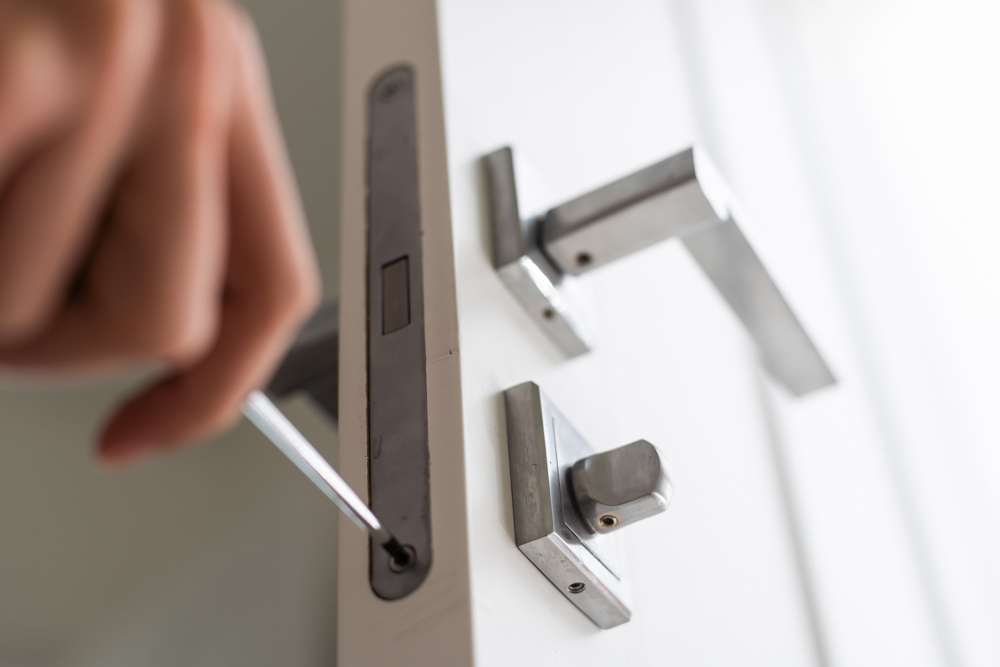
Keyed Entry Knob and Lever Locks: Everyday Convenience with Security
Keyed entry knob and lever locks are some of the most common residential locks used across Canada. Found on front doors, back doors, and side entrances, these locks offer a balance of accessibility and basic security. They can be used as standalone locks or paired with deadbolts for added protection.
Types of Knob and Lever Locks
Keyed Knob Locks
These locks include a key cylinder on the outside and a turn or push button on the inside. While convenient, they are less secure than deadbolts and are best used in conjunction with other security locks.
Keyed Lever Locks
Lever-style locks are easier to operate than knobs, making them ideal for accessibility purposes. They are often used in homes with seniors or individuals with mobility challenges and are popular in commercial buildings as well.
Advantages
- Simple and cost-effective
- Available in a wide range of styles and finishes
- Easy to install and replace
Drawbacks
- Vulnerable to forced entry if used alone
- Can wear out over time, especially in high-use areas
Canadian Considerations
In provinces like Manitoba and Nova Scotia, where extreme temperatures and humidity can affect lock mechanisms, it’s important to choose high-quality materials that resist rust and corrosion. Weather-sealed models are best for exterior doors, especially in coastal or colder regions.
For better security, combine knob or lever locks with a solid deadbolt. If you’re unsure about compatibility or installation, for professional locksmith services, Fortify Services ensures your entryway is properly secured for Canadian conditions.
High-Security Locks: Advanced Protection for Canadian Homes and Businesses
For those looking for maximum protection, high-security locks are designed to resist even the most sophisticated break-in attempts. These locks are commonly used in commercial buildings, luxury homes, and areas where valuables or sensitive data are stored.
Features of High-Security Locks
- Drill-resistant cylinders
- Pick-proof and bump-resistant mechanisms
- Restricted key duplication—only authorised locksmiths can copy keys
Popular High-Security Lock Brands in Canada
Several trusted brands offer high-security options suitable for Canadian homes and businesses:
- Medeco: Offers locks with patented key control and hardened steel inserts.
- Mul-T-Lock: Known for their telescopic pin technology and robust design.
- ASSA ABLOY: A global leader offering locks approved under Canadian building codes.
When to Consider High-Security Locks
- For commercial properties with high foot traffic or valuable inventory
- For homeowners in urban areas with higher crime rates
- For condominiums or multi-unit dwellings requiring access control
Installation and Maintenance
High-security locks are more complex to install and often require precise door preparation. For best results, contact our certified technicians at Fortify Services. We can help evaluate your property and recommend the best security locks to keep your space safe year-round.
Lock Options for Specific Canadian Needs
Choosing the right door lock types isn’t just about security—it’s also about matching the lock to your specific lifestyle, environment, and property type. In Canada, regional climates and housing styles vary significantly, making tailored lock varieties even more important.
Locks for Harsh Winter Conditions
In provinces like Alberta, Saskatchewan, and the Yukon, where winter temperatures can drop to -40°C or lower, locks must be built to endure freezing conditions. Consider:
- Weather-sealed deadbolts with insulated interiors
- Mechanical locks that don’t rely on batteries
- Electronic locks with low-temperature ratings and backup keys
Locks for Coastal and Humid Environments
British Columbia, particularly the Lower Mainland and Vancouver Island, experiences heavy rainfall and humidity. Locks in these areas should be:
- Rust-resistant and waterproof
- Made from stainless steel or brass with weatherproof finishes
- Regularly maintained to prevent corrosion
Locks for Remote and Rural Properties
For cabins, cottages, and homes in remote parts of Ontario, Quebec, or northern provinces, reliability is key. Look for:
- Mechanical locks that don’t need electricity
- Sturdy deadbolts with long throws and strike plates
- Locks that can withstand power outages and limited maintenance
Whether you’re securing a lakeside cottage in Muskoka or a townhome in downtown Toronto, Fortify Services provides expert locksmith guidance tailored to your location and needs.
Residential vs. Commercial Locks: What’s the Difference?
While many lock options are suitable for both residential and commercial use, there are key differences in design, durability, and features. Understanding these differences can help you choose the right product for your property.
Residential Locks
Typically designed for moderate use, residential locks focus on convenience and aesthetics alongside security. Common types include:
- Deadbolts
- Keyed knob and lever locks
- Electronic keypad locks
They’re usually easier to install and available in a variety of finishes to complement home décor.
Commercial Locks
Commercial locks are built to handle high traffic and meet strict safety regulations. Features include:
- ANSI Grade 1 or 2 ratings
- Heavy-duty mortise locks
- Master key systems for access control
- Fire-rated and ADA-compliant hardware
Commercial locks are essential for offices, retail stores, warehouses, and public buildings where security must be reliable and code-compliant.
Choosing the Right Lock for Your Property
Whether you’re a homeowner or a business owner, your lock system should reflect the level of access and security you require. For complex setups, such as combining cylinder locks with electronic systems or installing mortise locks in commercial doors, it’s best to consult with professional locksmith services like Fortify Services.
Maintaining Your Locks in Canadian Weather
Even the best locks require regular maintenance, especially in a country like Canada where weather extremes can take a toll on metal components. Proper maintenance extends the life of your security locks and ensures they perform when you need them most.
Seasonal Lock Maintenance Tips
Fall and Winter
- Lubricate locks with graphite or Teflon-based sprays to prevent freezing
- Check for moisture buildup or rust on exterior locks
- Keep keyholes clear of snow and debris
Spring and Summer
- Clean locks to remove dust and pollen buildup
- Inspect for wear and tear from winter use
- Test all electronic and battery-operated locks
When to Replace or Rekey
- After moving into a new home or business
- If you lose your keys or suspect a security breach
- When locks become difficult to operate or show signs of damage
Regular lock inspections can help you catch issues before they become security risks. Fortify Services offers maintenance packages and security assessments to help keep your property protected in every season.
Conclusion: Choosing the Right Lock for Your Canadian Property
Understanding the wide range of door lock types available in Canada gives you the knowledge to make smart, secure decisions for your home or business. Whether you’re installing a new deadbolt, upgrading to a smart lock, or exploring high-security locks for a commercial site, the right choice depends on your specific needs, building structure, and climate conditions.
From mechanical locks that withstand freezing temperatures to electronic locks that offer modern convenience, each lock variety has its place. And when in doubt, working with experienced professionals ensures your locks are installed correctly and built to last.
Fortify Services is proud to serve Canadian homeowners and businesses with expert locksmith solutions that are tailored to our unique environment. Contact our certified technicians today for a security assessment or lock installation. We’re here to help you protect what matters most—year-round, in every province.