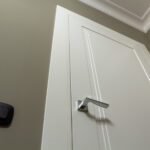



Emergency exit door lock systems play a major role in building safety, fire safety, and day-to-day security in Canadian homes and multi-unit buildings. This guide explains how exit door locks, panic hardware, and emergency egress systems work, what building codes require, and how to choose safer, compliant solutions.
Understanding Emergency Exit Door Lock Systems in Canadian Buildings
Emergency exit systems are designed to do two jobs at once: protect a building from unauthorized entry and allow fast, safe escape during an emergency. For Canadian homeowners, landlords, and property managers, that balance is essential. A door that is too easy to open from outside can create security risks, but a door that is too hard to open from inside can put lives at risk during a fire or other urgent event.
In simple terms, an emergency exit is any door intended to support quick escape when normal access routes are unsafe. These doors often use exit door locks, panic hardware, or a full exit device that allows people to leave with one simple motion. In apartment buildings, condo common areas, basement suites, garages, and side exits, the right hardware supports both building safety and safety compliance.
What makes an emergency exit system different?
Standard residential locks are mainly built for security. Emergency exit systems are built for security and emergency egress. That means the inside operation must remain simple, reliable, and fast under stress. In many cases, people should be able to open the door by pushing a bar or pressing a lever, without needing a key, special knowledge, or extra force.
This is where panic hardware becomes important. A panic bar or crash bar is mounted across the inside of the door. When pressure is applied, the latch releases and the door opens outward. This type of exit device is common in commercial buildings, schools, and shared residential properties across Canada because it supports quick evacuation and helps reduce delays during an emergency.
Common types of exit door locks
Not every property needs the same setup. The best system depends on the building type, door location, occupancy, and local code requirements. Common options include:
Panic bars and rim exit devices
These are among the most recognized emergency access solutions. They are easy to use and often installed on doors serving common hallways, stairwells, or shared exits. They are especially useful where many people may need to leave at once.
Lever-operated safety locks
Some doors use lever hardware combined with code-compliant latching systems. These can work well in smaller multi-unit properties where simple operation is required but full panic hardware may not be necessary.
Electrified locks with fail-safe or fail-secure functions
In some buildings, especially modern condos or mixed-use properties, electronic access control is tied into emergency access and fire safety systems. A fail-safe lock unlocks when power is lost, while a fail-secure lock stays locked when power is lost. Choosing the right one is critical and should always match the building’s life safety plan.
If you are unsure which system fits your property, working with a team that offers professional locksmith services can help you avoid expensive mistakes and improve safety from the start.
Why these systems matter for homeowners
Many homeowners assume emergency exit hardware is only for commercial buildings. In reality, it also matters in duplexes, triplexes, basement apartments, laneway homes, and houses with secondary suites. If you rent part of your property or have a separate entrance for family members, your exit door locks should support safe escape as well as security.
For example, deadbolts that need a key on the inside can create serious fire safety concerns. During smoke, darkness, or panic, finding and using a key may not be possible. A safer option is often a thumbturn deadbolt, code-compliant latch, or another approved exit device that allows immediate opening from the inside.
Good building safety planning also protects you from liability. If a tenant, guest, or neighbour cannot exit safely during an emergency, the consequences can be severe. Reviewing your doors now is a simple step that can make a real difference later.
Building Codes, Fire Safety, and Safety Compliance in Canada
Across Canada, rules for emergency egress and exit hardware are influenced by the National Building Code of Canada, provincial codes, municipal bylaws, and fire regulations. Exact requirements can vary by province and by the type of building, so there is no one-size-fits-all answer. Still, the basic goal is consistent everywhere: people must be able to leave quickly and safely.
How building codes affect exit door locks
Building codes often address the direction of door swing, the width of exits, the number of exits required, and the type of locking hardware allowed. In many situations, doors on an escape route must open easily from the inside without keys, tools, or complex actions. This is especially important in buildings with multiple occupants.
For homeowners, this can become relevant during renovations, legal suite conversions, or insurance reviews. If you are adding a rental unit, replacing a rear entry door, or upgrading access control, it is wise to confirm that your hardware supports local safety compliance rules.
A qualified technician can inspect whether your locks, latch alignment, closer, and strike plate are helping or hurting emergency egress. If you need expert help with code-aware upgrades, consider expert locksmith support from a Canadian team familiar with residential and shared-entry systems.
Fire safety and emergency access go together
Fire safety is not only about smoke alarms and extinguishers. Doors are part of the full protection system. A properly working exit device helps residents leave, while proper emergency access may also help firefighters or first responders move through the building when needed.
That does not mean every door should be easy to open from outside. Instead, it means the system should be planned carefully. Exterior security, controlled entry, and interior emergency egress all need to work together. In many buildings, the right answer is not a stronger lock alone, but a better-designed locking system.
Signs your current hardware may not be compliant
Watch for these common warning signs:
- The door sticks, drags, or needs force to open
- The lock requires a key from the inside
- The panic hardware is loose or slow to release
- The latch does not align properly with the strike
- Electronic locks do not respond correctly during power loss
- Residents are confused about how to use the exit
Even small issues can become major problems during a real emergency. Regular testing is one of the easiest ways to improve building safety.
Practical tips for Canadian homeowners and landlords
If you want safer and more reliable exit door locks, start with a simple review of every exterior and shared exit on your property. Open each door from the inside as if you were in a real emergency. It should be quick, smooth, and obvious.
Next, check for seasonal issues. In many parts of Canada, cold weather, swelling frames, ice, and shifting foundations can affect door operation. A lock that works fine in July may fail in January. Regular maintenance matters more than many owners realize.
It is also smart to keep records of repairs, inspections, and hardware changes. If you manage tenants or a secondary suite, this helps show that you take safety compliance seriously. When in doubt, bring in a specialist for an assessment. Fortify Services can help property owners choose secure, code-conscious solutions through trusted locksmith services in Canada.
Finally, avoid DIY shortcuts on critical life safety hardware. Installing the wrong safety locks or adjusting panic hardware incorrectly can reduce both security and fire safety. Minor maintenance like tightening visible screws may be manageable, but full replacement or code-related upgrades are usually best handled by trained professionals.
When your goal is secure entry, dependable emergency access, and better peace of mind, a professional inspection is often the most cost-effective next step. If your home, rental unit, or shared building entrance needs attention, you can explore certified locksmith solutions that support both everyday security and safe emergency egress.
Choosing the Right Emergency Exit Hardware for Your Building
Choosing the best emergency exit hardware is not only about buying a strong lock. It is about matching the door, the people using it, and the safety needs of the property. In Canadian buildings, the right setup should support emergency egress, daily convenience, and long-term building safety without creating confusion during a crisis.
Match the hardware to the type of property
A single-family home with a basement suite will usually need a different solution than a condo hallway, shared garage entry, or small apartment building. For lower-occupancy spaces, a simple lever and latch system may be enough if it allows quick emergency access from the inside. For busier buildings, panic hardware or a full exit device may be a better fit because it is easier to use under stress.
Doors that serve several residents should be especially easy to operate. A person should not have to remember multiple steps, turn two separate locks, or search for a key. If your current setup feels complicated, it may be time to review it with professional locksmith services that understand both residential security and life safety needs.
Consider door material, traffic, and weather exposure
Canadian weather can be hard on exit door locks and safety locks. Metal doors can shift, wood doors can swell, and exterior hardware can wear faster in snow, rain, and freezing temperatures. A side exit in Vancouver may face moisture all year, while a rear entry in Winnipeg may deal with deep cold and ice buildup. These conditions affect how reliably an emergency exit works when you need it most.
High-traffic doors also need stronger components. If a common exit is used every day by tenants, children, delivery staff, or visitors, the hardware should be rated for frequent use. A low-cost lock may seem fine at first but wear out quickly, leading to sticking latches or delayed release.
Features worth looking for
- Single-motion exit from the inside
- Durable panic hardware for shared doors
- Corrosion-resistant finishes for Canadian climates
- Reliable latch alignment and smooth closing
- Compatibility with fire safety and access control systems
When these features are chosen properly, they improve safety compliance and reduce future repair costs.
Electronic systems and emergency access planning
Many modern buildings now use electronic locks, fobs, intercoms, or controlled entry systems. These can improve security, but they must still allow safe emergency egress. If a system is tied to alarms or power, it should behave correctly during outages or fire events. This is where professional planning matters.
Electronic hardware should never be installed based only on convenience or appearance. The wrong setup can interfere with emergency access or create a code issue. If you are upgrading an entrance with smart locks or access control, it is wise to speak with expert locksmith technicians before making changes.
Installation, Maintenance, and Common Safety Mistakes
Even the best exit device can fail if it is installed poorly or ignored over time. Good maintenance is one of the most important parts of fire safety and building safety. For homeowners and landlords, regular checks can prevent small hardware issues from turning into dangerous problems.
Why proper installation matters
Emergency exit hardware needs correct positioning, secure mounting, and smooth operation. If a panic bar is installed too high, a strike is misaligned, or a closer pulls the door too tightly, the exit may not open quickly. That can slow evacuation and affect safety compliance.
Installation errors are common when owners try to adapt standard hardware to a door that really needs a proper exit device. For example, adding extra surface bolts or aftermarket locks to “improve security” can accidentally block emergency egress. In many cases, the safer choice is to use one code-conscious system that handles both security and exit needs properly.
Routine checks every property owner should do
You do not need to be a technician to spot early warning signs. A basic monthly check can help you catch problems before they become urgent. Open the door from the inside several times. Make sure it unlatches easily, swings freely, and closes properly without slamming or sticking.
You should also:
- Check that screws and mounting plates are secure
- Look for rust, wear, or loose panic hardware
- Confirm the latch enters the strike cleanly
- Test electrified locks during power interruption procedures if applicable
- Make sure residents understand how the emergency exit works
If anything feels inconsistent, do not wait. Small issues with exit door locks often become worse in winter or during heavy use. Booking a visit through trusted locksmith services can save time and reduce risk.
Common mistakes that can compromise fire safety
One of the most common mistakes in Canadian homes is using a double-cylinder deadbolt on a required exit path. While some owners choose it for added security, needing a key on the inside can create serious fire safety concerns. Another mistake is blocking an exit with furniture, storage bins, or seasonal items near the door. Hardware is only part of the safety picture; the route itself must stay usable.
Other problems include painted-over latches, damaged closers, and doors that have settled out of square. In older buildings, years of minor changes can leave an exit system unreliable even if each small change seemed harmless at the time. That is why periodic professional inspections are valuable, especially in rental properties and shared buildings.
DIY vs. professional repairs
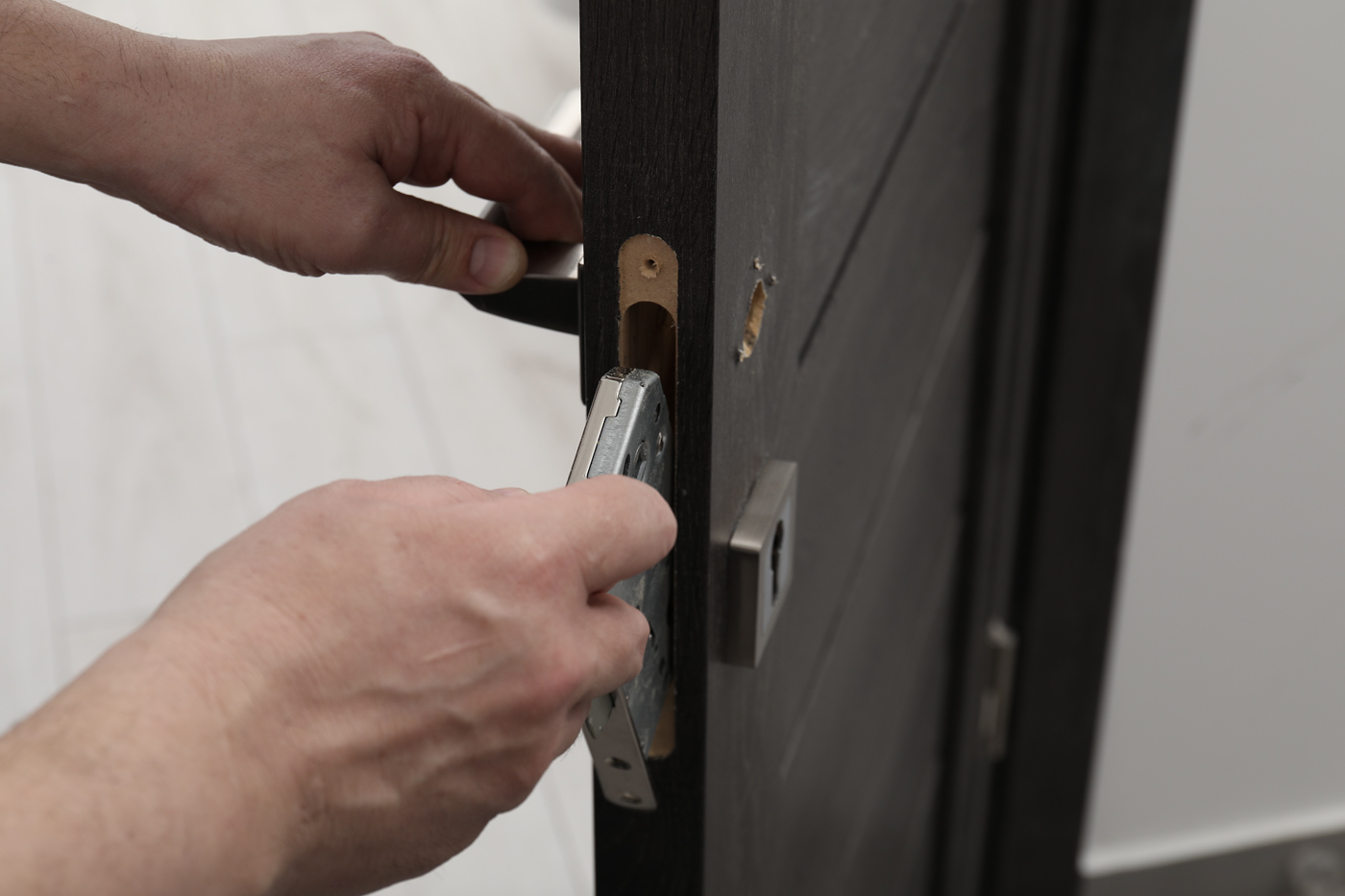
Some minor upkeep is reasonable for homeowners, such as cleaning the threshold, tightening a visible screw, or replacing weatherstripping that affects the door swing. But when a repair involves panic hardware, electrified locking, code questions, or repeated sticking, professional help is the safer route.
A trained locksmith can assess whether the issue is the lock, frame, closer, hinges, or the full exit device. That saves guesswork and helps ensure the final repair supports both security and emergency access.
When to Upgrade Your Exit Door Locks
Many owners wait until a lock fails completely before taking action, but emergency exit systems should be upgraded before they become unreliable. If your hardware is outdated, difficult to use, or no longer suits the building, an upgrade can improve safety, convenience, and compliance at the same time.
Signs it may be time for an upgrade
You should consider replacing or improving your system if:
- The door needs force to open from the inside
- The hardware is old, damaged, or missing parts
- You have added a suite or changed the use of the space
- Your building now has more occupants than before
- You are updating access control or entrance security
- You are unsure whether your setup meets current building codes
Upgrades are also worth considering after a renovation, tenant turnover, or insurance review. In many cases, replacing outdated safety locks with a better-designed exit device gives you stronger day-to-day security while improving emergency egress.
Plan upgrades with local expertise
Because Canadian code requirements can vary by province, municipality, and occupancy type, local knowledge matters. What works in one building may not be right for another. Fortify Services helps homeowners, landlords, and property managers choose practical solutions that support building codes, emergency access, and real-life daily use.
If you want peace of mind, safer exits, and reliable hardware that works in Canadian conditions, now is a good time to review your doors. Fortify Services provides certified locksmith support for inspections, repairs, and upgrades tailored to your property. A simple hardware review today can help protect your family, tenants, and building tomorrow.