
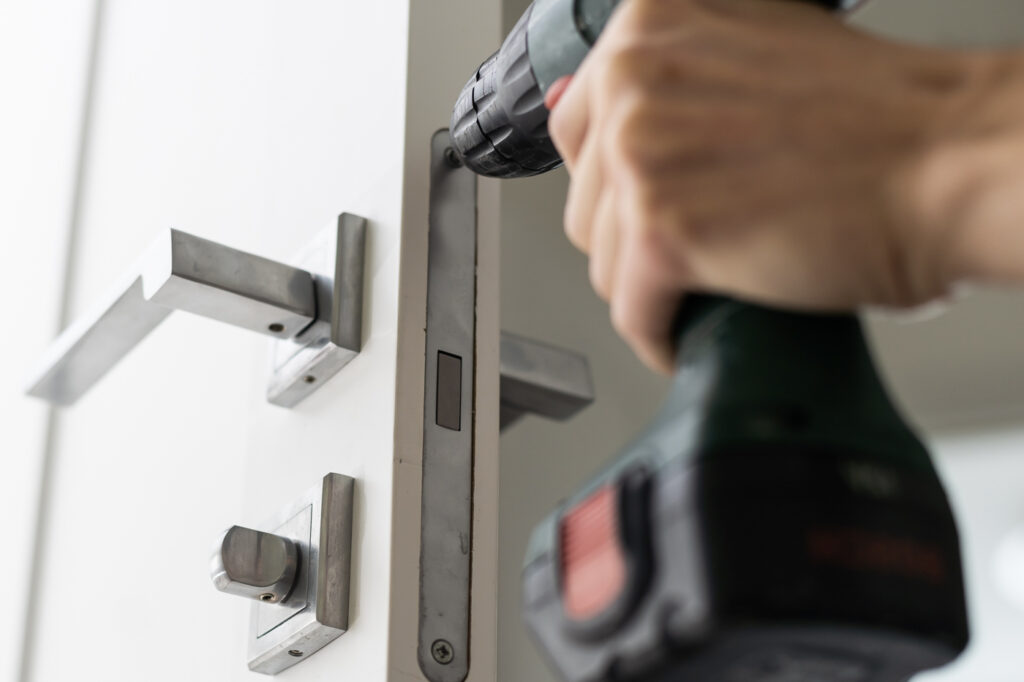

CCTV integration with lock systems gives Canadian homeowners a smarter way to protect doors, entry points, and everyday routines. This guide explains how security cameras, monitored access, and modern lock technology work together to create complete protection, improve awareness, and support safer decisions at home.
CCTV Integration with Lock Systems for Complete Security
Home security is no longer just about a strong deadbolt or a single camera above the front door. Today, many Canadian homeowners want comprehensive security that combines physical locks with smart monitoring tools. That is where CCTV integration makes a real difference. When security cameras and lock systems work together, you gain both control and visibility. You can see who is at your door, confirm when someone enters, and respond faster if something looks wrong.
This type of integrated security is especially useful for busy households, rental properties, garages, side entrances, and homes with frequent deliveries. Instead of relying on separate devices that do not communicate, homeowners can build a more complete protection plan with camera systems, surveillance locks, and monitored access features. If you are planning upgrades, professional locksmith services can help you choose secure, compatible hardware for your home.
How CCTV Integration Improves Home Security
What CCTV integration means in simple terms
CCTV integration means connecting your video security setup with your lock system so both tools support each other. For example, a camera at the front entry may record video when a smart lock is opened. A mobile app may show a live feed when someone uses a keypad or access code. In some systems, you can even receive alerts that combine door activity with visual security footage.
This creates a more useful security system because you are not only told that a door opened. You can also see who opened it and when. That extra context can help homeowners confirm family arrivals, monitor service visits, and review suspicious activity more accurately.
Why cameras and locks work better together
Locks are designed to delay or prevent entry. Security cameras are designed to record, verify, and deter activity. When combined, they offer stronger comprehensive security than either system alone. A lock protects the door physically, while a camera adds awareness and evidence.
Here are some of the biggest homeowner benefits of CCTV integration:
Better entry point monitoring
Front doors, patio doors, back lanes, and garage access points are common targets for unwanted entry. Integrated security lets you track these areas with both surveillance locks and camera systems. If a lock is tampered with or opened unexpectedly, the connected camera can help verify what happened.
Faster response to unusual activity
With monitored access, alerts can be sent when locks are used at unusual times or when repeated failed code attempts occur. Pairing these alerts with video security allows you to decide quickly whether it is a family member, a contractor, or a possible intruder.
Stronger deterrence
Visible security cameras near well-secured doors often discourage opportunistic crime. Criminals generally prefer easy targets. A home with integrated security technology appears harder to access and easier to identify in the event of a break-in attempt.
Useful records for incidents and disputes
If a package goes missing, a side door is left open, or a tenant claims they could not access the property, visual security records can help clarify the situation. Time-stamped footage linked to lock activity creates a more reliable record than memory alone.
Good places to use integrated security at home
Not every door needs the same setup. The best design depends on your home layout, neighbourhood, and daily routine. Common areas for CCTV integration include:
- Front entry doors with smart deadbolts and doorbell cameras
- Back doors with motion-triggered security cameras
- Garage man doors with keypad access and exterior video security
- Basement or side entrances used by tenants or guests
- Cottage or seasonal property entrances that need remote monitoring
For homeowners comparing options, working with an expert locksmith can help ensure your lock hardware supports safe, reliable integration with your chosen cameras.
Choosing the Right Security Technology for Your Home
Types of locks that pair well with security cameras
Many modern lock systems can support integrated security, but not all products offer the same level of compatibility. The best choice depends on whether you want simple visual confirmation or a more advanced monitored access system.
Smart deadbolts
Smart deadbolts are a popular choice for Canadian homeowners because they allow app control, temporary codes, and event logs. When paired with security cameras, they can support notifications and easier video review. These are ideal for main entrances and homes that receive deliveries or visitors during the day.
Keypad locks
Keypad locks are practical for families with children, older parents, or service providers who need access without carrying keys. Combined with camera systems, you can track who arrives and whether codes are being used properly.
High-security mechanical locks
Not every homeowner wants a fully smart system. High-security mechanical locks can still be part of a complete protection plan when placed alongside CCTV integration. This is a strong option for those who want advanced physical security with separate visual security monitoring.
Types of security cameras to consider
The right security cameras should match your climate, property size, and visibility needs. In Canada, weather resistance matters. Snow, rain, and temperature swings can affect lower-quality devices, so choose products rated for outdoor use.
Doorbell cameras
These are useful for front entry monitoring and package awareness. They work well with smart locks because they focus on the same access point and support two-way communication.
Bullet or turret cameras
These fixed security cameras are often installed above doors, driveways, and garages. They provide steady video security coverage and can be a strong deterrent when clearly visible.
Floodlight cameras
For backyards or dark side entrances, floodlight camera systems add both lighting and surveillance. This can improve visual security at night and make it easier to capture clear footage.
Practical tips before you install anything
Before buying locks or cameras, take time to assess your property and goals. A little planning can save money and avoid compatibility issues later.
Check your door and frame condition
Even the best surveillance locks cannot perform well if the door, strike plate, or frame is weak. Reinforcement may be needed before adding new hardware. If you are unsure, professional locksmith services can inspect your current setup and recommend upgrades.
Think about power and internet reliability
Some camera systems run on batteries, while others need wired power. Smart locks may use batteries but still depend on Wi-Fi or a hub for full features. In colder parts of Canada, battery performance can drop in winter, so choose products designed for local conditions.
Review privacy and placement
Place cameras to monitor your own property and entry points without pointing into a neighbour’s private space. Privacy rules can vary by province and municipality, so it is wise to install equipment thoughtfully and respectfully.
Look for secure app and account features
Integrated security should include strong passwords, two-factor authentication, and regular firmware updates. Security technology is most effective when both the physical hardware and digital access are properly protected.
Should you do it yourself or hire a professional?
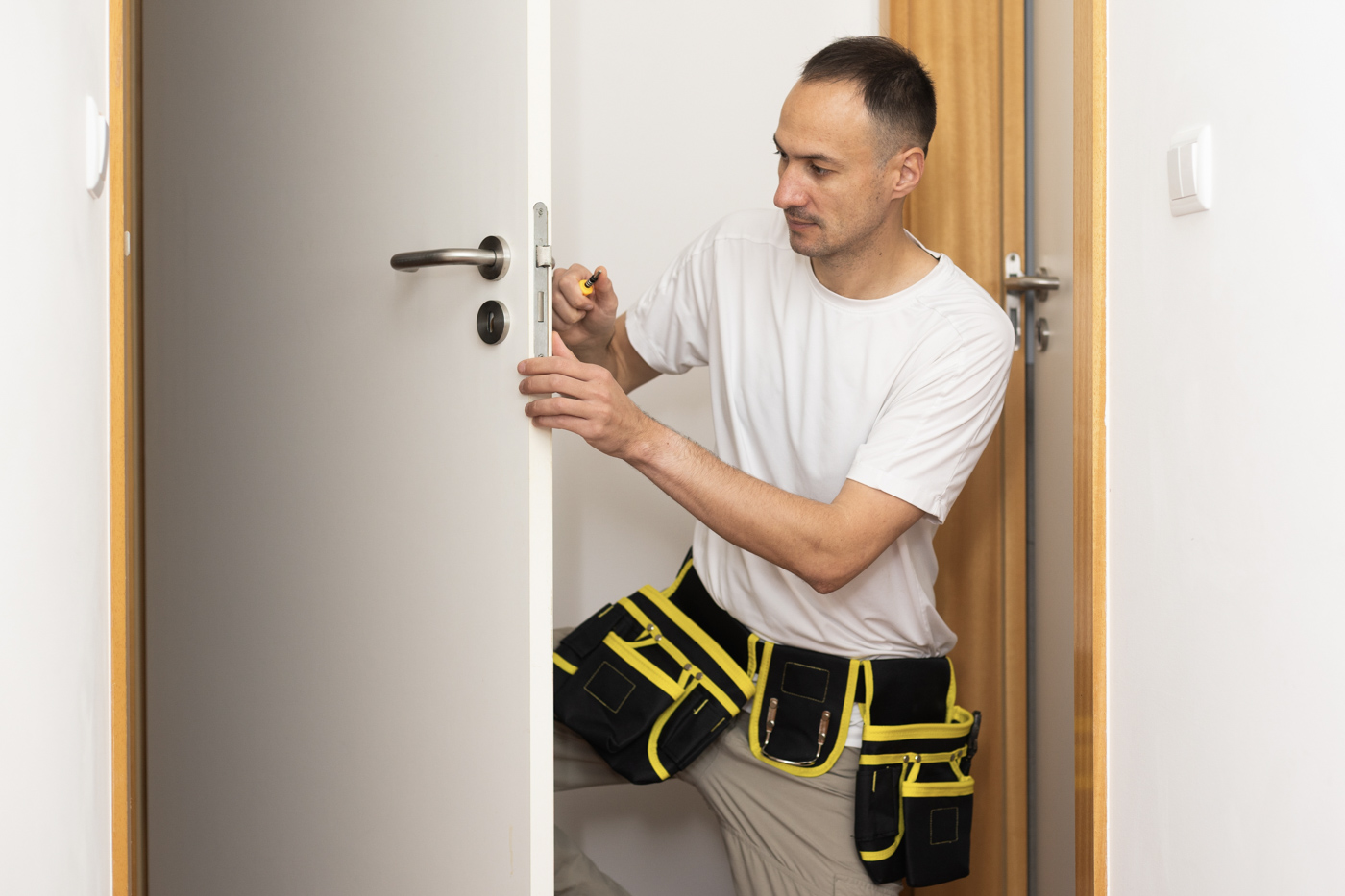
DIY installation may work for simple doorbell cameras or basic keypad locks, especially if you are comfortable with tools and app setup. However, more advanced CCTV integration often benefits from professional help. Correct camera angles, lock alignment, secure mounting, and proper calibration all affect performance.
A trained technician can also help make sure your system meets practical safety expectations and supports dependable monitored access. In some cases, Canadian insurance providers may also prefer professionally installed security equipment, especially for higher-value homes or rental properties.
If you want a system that is easy to use and built for long-term complete protection, consider speaking with certified locksmith technicians who understand both lock security and modern camera systems.
Best Practices for a Reliable Integrated Security Setup
Match the system to your daily routine
The best CCTV integration plan is the one that fits how your household actually lives. A family with school-aged children may want monitored access alerts for after-school arrivals. A homeowner who travels often may care more about remote video security and lock notifications for deliveries or maintenance visits. If you have a basement suite, side entrance, or detached garage, those access points may need separate camera systems and different lock permissions.
Start by listing your most-used doors, who needs access, and what type of visual security would be most helpful. This makes it easier to choose between smart deadbolts, keypad entry, and high-security hardware. If you want help building a practical setup, professional locksmith services can recommend lock options that work well with modern security technology.
Focus on the most important entry points first
You do not need to secure every corner of the property at once. For many Canadian homes, the front door, back door, garage entry, and lower-level side door are the most important places to begin. These are common access routes for family members, visitors, and service providers, and they are also the areas where integrated security offers the most value.
A strong starter setup often includes:
- A smart or keypad lock on the main door
- A doorbell camera or exterior security camera covering the entrance
- Motion lighting to improve visual security at night
- Alerts for lock activity, failed code attempts, or unexpected door openings
This kind of complete protection gives homeowners a clear view of who approaches, who enters, and whether the door was properly secured afterward.
Use clear camera angles and proper lighting
Even high-quality security cameras can miss important details if they are installed too high, pointed into glare, or blocked by trim, plants, or snow buildup. For useful CCTV integration, camera placement should support both identification and context. You want to see faces, hand movement near the lock, and the direction a person came from or left toward.
Helpful placement tips
- Mount cameras where faces can be seen without being too easy to tamper with
- Avoid aiming directly into bright sunlight or reflective glass
- Use lighting that supports night recording without washing out the image
- Keep lenses clear of snow, dirt, and seasonal debris
In Canadian winters, lighting becomes even more important because many homeowners leave and return in darkness. Good video security depends on both the camera and the surrounding environment.
Protect both digital and physical access
Integrated security is not only about hardware. It also depends on how well you manage passwords, user permissions, and updates. If a smart lock or camera app is left unsecured, the whole system becomes weaker. Homeowners should use strong passwords, enable two-factor authentication, and remove old user codes when tenants, dog walkers, or contractors no longer need access.
On the physical side, make sure doors close properly, strike plates are reinforced, and lock hardware is installed correctly. A camera can record a problem, but it cannot replace a properly secured door. If your hardware is outdated or the frame feels loose, an expert locksmith can inspect the opening and suggest upgrades that improve both safety and performance.
Common Use Cases for Canadian Homeowners
Managing deliveries and front door activity
Package theft remains a concern in many urban and suburban areas across Canada. CCTV integration helps by combining a front door lock with security cameras or a doorbell camera so you can monitor deliveries in real time. If a parcel is dropped off, you can review footage, speak through the device, or confirm whether someone approached the door afterward.
This setup is also useful when you are expecting a family member, cleaner, dog sitter, or tradesperson. Instead of wondering whether they arrived, you can verify access through both lock activity and visual security.
Supporting rental units and shared entrances
Homes with basement suites, laneway units, or shared side entrances often benefit from integrated security because access patterns are more complex. A keypad lock with temporary or unique codes can help manage entry, while video security provides a record of who used the door and when. This can be especially useful for landlords who want better awareness without interfering with tenant privacy.
It is important to place cameras carefully and follow local privacy expectations. In general, cameras should focus on exterior entry points and common access areas that belong to the property owner. If you manage a shared entrance and need dependable hardware, certified locksmith technicians can help install secure locks suited to frequent use.
Watching over garages, workshops, and side doors
Many homeowners spend money securing the front door but forget about the garage man door, rear gate area, or workshop entrance. These spaces often store tools, bikes, seasonal equipment, and vehicles, making them attractive targets. Adding surveillance locks and camera systems to these secondary areas strengthens comprehensive security across the whole property.
A floodlight camera over a garage entry paired with a keypad lock can provide strong deterrence and better monitored access. If someone tries the door late at night, you can quickly check the live feed and decide whether action is needed.
Remote monitoring for cottages and seasonal properties
For Canadians with cottages or part-time properties, integrated security offers peace of mind between visits. Smart locks, weather-rated security cameras, and app alerts can help you monitor access from a distance, confirm service calls, and review activity during storms or off-season periods. This is especially helpful in rural areas where neighbours may not always be nearby to keep watch.
Because seasonal properties often face harsher conditions, choose durable security technology with reliable cold-weather performance. Battery life, internet stability, and weather sealing should all be part of the decision.
Maintenance, Upgrades, and When to Call a Professional
Keep the system working year-round
Complete protection depends on regular maintenance. Test locks, notifications, and camera views every few months. Replace batteries before winter where possible, check that motion settings still make sense, and confirm recordings are being stored properly. If your camera systems rely on Wi-Fi, review signal strength near the door and garage to avoid weak coverage.
Simple maintenance checklist
- Clean camera lenses and check image clarity
- Inspect lock alignment and battery levels
- Update apps and firmware
- Review user codes and remove old access permissions
- Test alerts for unusual lock activity
Signs your setup needs an upgrade
If your footage is blurry, alerts arrive late, locks stick in cold weather, or your devices do not work well together, it may be time to improve your integrated security setup. Older products may not support current app features, stronger encryption, or smoother CCTV integration. In some homes, the issue is not the device itself but poor installation, worn door hardware, or weak placement.
Upgrading does not always mean replacing everything. Sometimes a better lock, improved camera angle, or stronger door reinforcement can make a major difference. Homeowners who want long-term reliability often benefit from a professional review before buying more equipment.
Choosing trusted help in Canada
When you are dealing with entry security, it pays to work with experienced professionals who understand both lock hardware and real-world home protection. Fortify Services helps Canadian homeowners improve security with practical recommendations, quality installation, and dependable support. Whether you need help selecting surveillance locks, reinforcing a door, or planning CCTV integration around key access points, the right guidance can save time and reduce costly mistakes.
If you want a safer, easier-to-manage system for your home, Fortify Services can help you build integrated security that supports monitored access, strong visual security, and complete protection. Contact Fortify Services today to speak with a trusted local specialist and explore the best options for your doors, locks, and security cameras.