
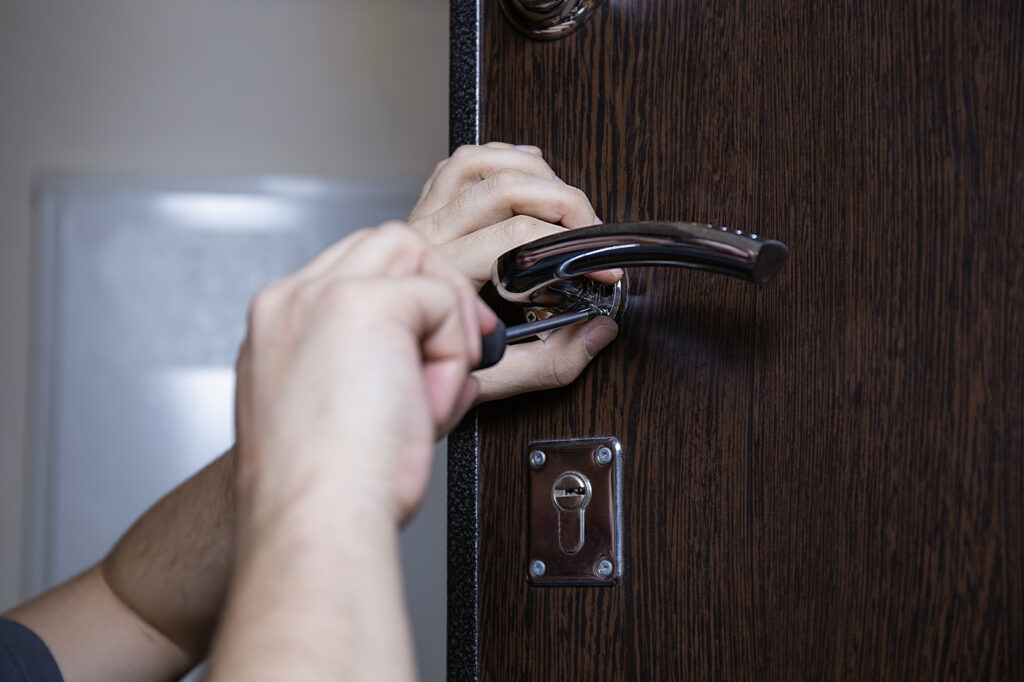

Bump keys can turn a common pin tumbler lock in seconds, making lock bumping a real concern for Canadian homeowners. This guide explains how bumping works, why some locks are more vulnerable, and which bump key protection methods, anti-bump locks, and security upgrades can improve lock defence and everyday peace of mind.
Understanding Lock Bumping and Why It Matters
What is lock bumping?
Lock bumping is a method used to open certain pin tumbler locks with a specially cut key called a bump key. When the key is inserted and tapped, the pins inside the lock can jump for a split second, allowing the cylinder to turn. It does not usually require visible forced entry, which is one reason many homeowners are surprised to learn about this lock vulnerability.
In simple terms, lock bumping takes advantage of how standard locks are built. Many older or lower-grade locks still found on Canadian homes can be opened this way if they do not have bump-resistant features. That is why bump key protection has become an important part of modern home security enhancement.
Why homeowners in Canada should pay attention
Across Canada, homeowners often focus on alarms, cameras, and outdoor lighting, but the lock itself is still your first line of lock defence. If that lock is vulnerable, other security measures may only help after someone has already tried to get in.
Weather also plays a role in Canada. In some provinces, exterior door hardware faces freezing temperatures, moisture, and wear over time. As locks age, internal parts can become less reliable, and that can affect both performance and security. A lock that sticks, turns roughly, or feels loose may not only be inconvenient, it may also be due for a security upgrade.
If you are unsure whether your existing hardware is still offering reliable bump prevention, it can help to book a professional assessment through professional locksmith services. A trained locksmith can identify weak points quickly and recommend practical protection methods for your home and budget.
Are all locks vulnerable to bumping?
No, not all locks are equally at risk. The highest concern is usually with traditional pin tumbler locks that lack advanced security features. Some deadbolts and entry locks are designed with anti-bump locks technology, security pins, reinforced cylinders, or restricted keyways that make bumping far more difficult.
Here are a few factors that affect lock vulnerability:
- Older lock design without security pins
- Low-cost hardware with basic cylinders
- Poor installation that weakens overall lock defence
- Wear and tear from age, weather, or heavy use
- Doors with weak frames, short screws, or misaligned hardware
It is also important to remember that true security enhancement is not only about the cylinder. Your strike plate, door frame, hinges, and overall installation quality matter just as much. Even bump-resistant hardware should be installed properly to do its job.
Bump Key Protection Methods for Canadian Homes
Upgrade to anti-bump locks
One of the most effective protection methods is replacing vulnerable locks with anti-bump locks. These locks are made with features that interrupt or resist the bumping process. Depending on the product, this may include spool pins, mushroom pins, sidebars, hardened components, or more advanced cylinder designs.
For many homeowners, this is the most direct security upgrade because it addresses the weakness at the source. If your front, side, or back door still uses builder-grade hardware, moving to bump-resistant locks can make a meaningful difference.
When choosing new hardware, look for:
- Grade-rated deadbolts suitable for residential entry doors
- Products tested to recognized North American standards
- High-security or bump-resistant cylinder options
- Strong warranty and professional installation support
If you need help comparing options, expert locksmith support can help you choose hardware that suits your home, neighbourhood, and daily use.
Reinforce the full entry point, not just the lock
Bump key protection works best when combined with broader lock defence. A criminal may try lock bumping, but if that fails, they may look for another weak point. That is why a proper security enhancement plan should include the entire door system.
Practical upgrades that improve bump prevention
- Install a heavy-duty deadbolt with a reinforced strike plate
- Use longer screws to anchor hardware into the wall framing
- Check that the door frame is solid and not cracked or loose
- Add a door viewer or smart camera for visibility
- Improve exterior lighting around all main entrances
These upgrades do not replace anti-bump locks, but they strengthen your overall advanced security setup. In many Canadian homes, especially older houses, the frame and strike area are weaker than the lock itself. Reinforcement can improve both safety and insurance confidence.
Know when rekeying is not enough
Some homeowners assume rekeying will solve every lock issue. Rekeying is useful if you have moved into a new home, lost a key, or want old keys to stop working. However, rekeying does not automatically create bump-resistant hardware. If the lock design is still basic, the same lock vulnerability may remain.
This is where professional advice matters. A locksmith can tell you whether your lock can be improved with better pins and components or whether a full replacement is the better long-term security upgrade. If your home has multiple entry doors, keying them properly while upgrading weak cylinders can give you both convenience and better bump key protection.
For homeowners planning a full review of their doors and locks, certified locksmith services can provide a practical path forward without guesswork.
How to Check Your Home for Lock Vulnerability
Signs your current locks may need attention
You do not need to be a locksmith to spot early warning signs. A few simple checks can help you decide whether your locks deserve closer attention.
- The lock is more than 10 years old and has never been upgraded
- Your hardware came with the home and appears builder grade
- The keyway is common and the lock has no stated bump-resistant features
- The deadbolt feels loose, rough, or inconsistent when turning
- The door does not close cleanly, causing pressure on the lock
If any of these apply, it may be time for a security enhancement review. In many cases, a homeowner can handle basic visual checks, but a professional inspection gives you a clearer picture of real-world risk.
DIY steps homeowners can take today
If you want to improve lock defence right away, start with simple actions:
- Test each exterior lock for smooth operation
- Tighten loose hardware on handles, deadbolts, and strike plates
- Replace short screws in the strike plate with longer ones
- Trim shrubs or obstacles that hide doorways from view
- Make sure side and back doors have the same level of protection as the front
These steps support bump prevention, but they are not a substitute for a proper lock upgrade when the cylinder itself is outdated. If you want a more complete plan, local locksmith professionals can inspect your current setup and recommend anti-bump locks that match Canadian conditions and your security goals.
Think about standards, insurance, and peace of mind
Canadian homeowners should also consider insurance expectations and product standards when choosing locks. While requirements vary by insurer and province, quality deadbolts and properly installed entry hardware are often viewed more favourably than basic locks. Products that meet recognized residential standards can provide better long-term value and stronger advanced security.
Most importantly, good bump key protection helps you feel more secure at home. Whether you live in a detached house, townhouse, or condo, reducing lock vulnerability is a smart and practical step. The right combination of bump-resistant hardware, solid installation, and regular maintenance can go a long way in protecting your property.
Choosing the Right Security Upgrade for Your Home
Compare lock types before you buy
Not every security upgrade offers the same level of bump key protection. When shopping for new hardware, it helps to understand the difference between a basic lock, a bump-resistant option, and a higher-security system. For most Canadian homeowners, the goal is to reduce lock vulnerability without making daily use complicated.
A standard residential deadbolt may still be suitable if it includes modern security pins and solid construction. However, anti-bump locks usually offer better lock defence because they are designed specifically to resist lock bumping and other common entry methods. Some also include anti-pick and anti-drill features, which adds another layer of advanced security.
When comparing products, pay attention to:
- Whether the lock is described as bump-resistant or high security
- The quality of the cylinder and internal pin design
- Grade ratings for residential or light commercial use
- Compatibility with your current door thickness and frame
- Whether installation requires adjustment to the door or strike area
If you want help sorting through brands and features, professional locksmith services can help you choose practical protection methods that fit your home and budget.
When high-security hardware makes sense
Some homes benefit from more than a basic deadbolt replacement. If you live in a dense urban area, travel often, rent out part of your property, or have experienced a break-in attempt, a stronger security enhancement may be worth the investment.
High-security cylinders often use restricted keyways, sidebars, patented key systems, and stronger internal parts. These features can improve bump prevention and make unauthorized key copying more difficult. For homeowners who want better control over who can duplicate keys, this can be a major benefit.
This type of security upgrade may also make sense for:
- Detached homes with multiple exterior doors
- Properties with basement or side entrances
- Homes with attached garages and interior access doors
- Older houses with original or outdated lock hardware
In many parts of Canada, weather and seasonal movement can also affect how well a lock performs. A quality lock installed properly is more likely to keep working smoothly through temperature changes, moisture, and regular use.
Don’t overlook professional installation
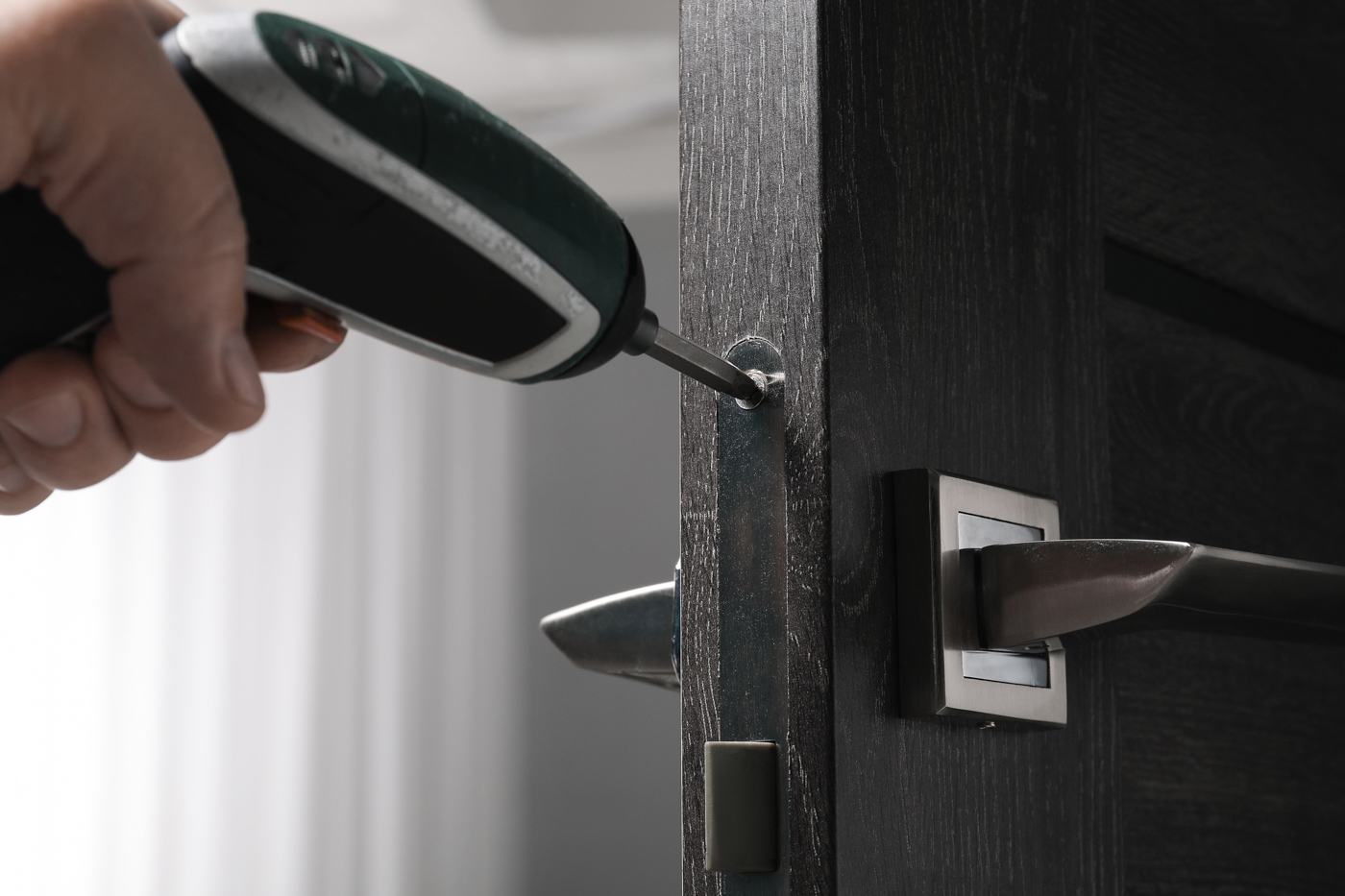
Even the best anti-bump locks can underperform if they are installed poorly. Misalignment, weak screws, or a badly fitted strike plate can reduce the value of a new lock. Proper installation supports both lock defence and long-term durability.
A trained locksmith can check door alignment, frame strength, backset, and hardware fit before installing a new cylinder or deadbolt. That can prevent problems such as sticking, loose operation, or uneven wear. If your current setup includes more than one weak point, expert locksmith support can turn a simple replacement into a more complete advanced security plan.
Extra Protection Methods That Support Bump Prevention
Use layered security around entry doors
Bump key protection works best as part of a layered approach. While anti-bump locks reduce the chance of successful lock bumping, visible deterrents can also make your home less appealing to someone looking for an easy target.
Good supporting protection methods include:
- A monitored alarm or smart security system
- Motion-activated exterior lighting
- A video doorbell or entry camera
- Solid core or metal exterior doors
- Reinforced door jambs and quality strike plates
These upgrades do not replace a bump-resistant cylinder, but they strengthen your overall security enhancement strategy. In many cases, visible signs of advanced security are enough to encourage someone to move on.
Pay attention to side doors, garage doors, and secondary entries
One common mistake is upgrading only the front door. In reality, side entries, patio doors, garage man doors, and basement doors can present the same lock vulnerability. If one door has anti-bump locks but another still has low-grade hardware, your home may still have a weak link.
Walk around your property and check every entry point that leads inside. Ask yourself:
- Does this door have a proper deadbolt?
- Is the frame strong and in good condition?
- Does the lock feel secure and operate smoothly?
- Is the area well lit and visible from the street or by neighbours?
For many homeowners, the best approach is a phased security upgrade. Start with the most used and most exposed doors, then improve the remaining entries over time. If you need a full property review, certified locksmith services can help identify the highest-priority risks first.
Maintain your locks so protection lasts
Good lock defence is not just about buying new hardware. Maintenance matters too. Dirt, moisture, salt, and seasonal freezing can affect lock performance across Canada. If a lock becomes stiff or unreliable, it may not provide the level of bump-resistant performance you expect.
Simple maintenance tips for Canadian homeowners
- Keep exterior locks clean and free of debris
- Use a lock-safe lubricant when recommended by the manufacturer
- Check for loose screws on deadbolts, handles, and strike plates
- Inspect door alignment before winter and after freeze-thaw cycles
- Replace worn keys that no longer turn smoothly
Regular care helps preserve your security upgrade and may also reveal problems early, before they become a larger issue. If a lock continues to bind, shift, or feel unstable, it may be time for a service call rather than another temporary fix.
Making a Smart Long-Term Decision
Balance cost, convenience, and security
The best bump key protection plan is one you will actually maintain and use every day. Some homeowners want the strongest hardware available, while others need a practical and affordable security enhancement that still improves bump prevention. Both approaches can work if they are based on real risks and proper installation.
A smart plan often includes one or more of the following:
- Replacing builder-grade deadbolts with anti-bump locks
- Reinforcing strike plates and frame attachment points
- Upgrading secondary doors to match the front entry
- Adding lighting or cameras around hidden access points
- Booking periodic inspections as locks age
For Canadian households, this kind of staged approach can be easier on the budget while still reducing lock vulnerability in a meaningful way.
Work with a locksmith who understands Canadian homes
Homes across Canada vary widely, from older detached houses to newer townhomes and condo units. Door materials, frame construction, and hardware quality can differ a lot from one property to another. That is why local advice matters when planning a security upgrade.
A locksmith who understands Canadian conditions can recommend bump-resistant products that suit your entry doors, climate, and daily needs. They can also help you avoid overpaying for features you do not need while making sure key weak points are addressed properly.
If you are ready to improve lock defence, reduce lock bumping risk, and upgrade to more reliable anti-bump locks, Fortify Services can help. Their team provides local locksmith professionals who can assess your current hardware, recommend effective protection methods, and install the right solution for your home. A well-planned security upgrade today can bring better protection, smoother performance, and greater peace of mind for years to come.