


Black mould around your windows isn’t just unsightly—it’s a serious health hazard. This article explores the causes, dangers, and solutions for window mould, especially in Canadian homes. Learn how to prevent it, when to repair or replace, and how Fortify Services can help.
Understanding Black Mould Around Windows
What Is Black Mould?
Black mould, or Stachybotrys chartarum, is a toxic fungus that thrives in moist, dark places. It typically appears as dark green or black patches and has a musty odour. While not all black-coloured moulds are toxic, any mould growth indoors can be harmful, especially if left untreated.
Why Do Windows Attract Mould?
Windows are one of the most common areas for mould growth, especially in Canadian homes where seasonal temperature changes cause condensation. This moisture creates the perfect environment for mould spores to grow. Poor ventilation, leaky window frames, and damaged seals can also contribute to the problem.
Common Causes of Window Mould
- High indoor humidity levels
- Condensation on glass and frames
- Poorly installed or aging windows
- Leaking window seals or frames
- Lack of regular cleaning and maintenance
Is Black Mould Dangerous?
Yes. Prolonged exposure to black mould can lead to serious health issues, especially for children, seniors, and people with asthma or allergies. Symptoms may include:
- Chronic coughing and sneezing
- Skin rashes
- Eye irritation
- Headaches and fatigue
- Respiratory issues
In severe cases, exposure to toxic mould can even lead to neurological effects and long-term respiratory damage. It’s not just a cosmetic problem—it’s a health crisis that deserves immediate attention.
How to Identify Black Mould on Windows
Visual Signs
The most obvious sign of black mould is visible dark spots or streaks around your window panes, frames, or sills. These may be fuzzy, slimy, or powdery in texture. Mould often appears in corners, behind curtains, or where condensation forms most heavily.
Smell and Air Quality
A musty, earthy smell near your windows is a strong indicator of mould. You may also notice increased sneezing or coughing when near the affected area—this could be due to airborne spores.
Structural Damage
Black mould can cause wood rot, peeling paint, and damage to drywall around window frames. If you notice warping or crumbling materials, the mould might have been growing behind the surface for some time.
DIY Mould Test Kits
If you’re unsure whether you’re dealing with black mould, you can purchase an at-home mould test kit from a local Canadian hardware store. These kits allow you to collect a sample and send it to a lab for analysis.
Health Risks: The Hidden Danger in Your Home
Who Is Most at Risk?
While anyone can be affected by black mould, certain groups are more vulnerable:
- Children and infants
- Older adults
- People with asthma, allergies, or chronic respiratory conditions
- Individuals with weakened immune systems
In homes with poor air circulation, these residents may experience worsened symptoms even with minimal exposure.
Short-Term vs. Long-Term Effects
- Short-Term: Coughing, sneezing, red eyes, sore throat, and skin irritation.
- Long-Term: Chronic respiratory issues, memory loss, fatigue, and in extreme cases, toxic mould syndrome.
Addressing window mould promptly can help prevent these health issues from escalating.
Canadian Standards for Indoor Air Quality
Health Canada recommends maintaining indoor humidity between 30% and 50% to prevent mould growth. Canadian building codes also emphasize proper window installation and sealing to keep homes safe and energy-efficient.
Repair vs. Replace: What to Do When You Find Mould
Can You Clean Mould Yourself?
In mild cases, yes. Small patches of black mould (less than 1 square metre) can usually be cleaned with:
- White vinegar or hydrogen peroxide
- Baking soda and water solution
- Commercial mould removers
Always wear gloves, goggles, and an N95 mask to avoid inhaling spores. Open windows and use fans to ventilate the area.
When DIY Isn’t Enough
If the mould has spread into drywall, wood frames, or insulation, it’s best to call in the professionals. Improper removal can actually spread spores further, making the problem worse.
If you need expert window repair after discovering mould damage, trust Fortify Services to restore your home’s safety and comfort.
When to Repair Your Windows
You may be able to salvage your existing windows if:
- The mould is only on the surface
- Window seals are still intact
- There’s no structural damage to the frame
In these cases, a thorough cleaning and a fresh coat of mould-resistant paint may be enough.
When to Replace Your Windows
Replacement is often the better choice when:
- Mould has penetrated the window frame or wall
- The window is outdated and energy-inefficient
- You notice persistent condensation or leaks
Contact our certified technicians to explore modern, mould-resistant window designs that elevate your home’s value and safety.
Preventing Black Mould on Windows
Control Indoor Humidity
Keeping your home’s humidity between 30% and 50% is key to stopping mould before it starts. Use a hygrometer to monitor levels and consider adding:
- Dehumidifiers in basements or bathrooms
- Exhaust fans in kitchens and washrooms
- Houseplants that naturally absorb moisture like peace lilies or Boston ferns
Improve Window Ventilation
Here in Canada, we face extreme seasonal changes that can affect airflow. Keep windows open when weather permits and avoid heavy drapes that block airflow. Installing trickle vents or using oscillating fans can also help.
Regular Cleaning and Maintenance
Dust and moisture feed mould growth. Clean sills, tracks, and frames with a vinegar solution every few weeks. Inspect for signs of water damage, and check caulking and seals regularly.
Upgrade to Mould-Resistant Windows
Modern window designs often feature moisture-resistant materials, improved insulation, and better sealing technologies. These upgrades not only prevent mould but also improve energy efficiency and curb appeal.
Explore our window installation options for long-term mould prevention and a healthier home.
Inspect Door Frames Too
Though this article focuses on windows, don’t forget that door frame repair is just as important. Mould can spread to door frames and even inside walls if left unchecked. Regular inspections can prevent more costly issues down the line.
Door Dings and Dents Can Let Moisture In
Small issues like a dent in a door can break the seal between your home and the outdoors. Over time, this allows moisture to seep in, increasing the risk of mould. Knowing your door dent repair cost or door ding repair cost helps you make informed decisions before the problem escalates.
For stylish and functional upgrades, Fortify Services also offers a wide range of door designs that enhance both aesthetics and weatherproofing.
Garage Doors and Mould Risk
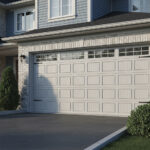
Don’t overlook your garage door. Poor sealing or unnoticed damage can lead to moisture buildup, especially during wet seasons. If you’ve noticed a musty smell in the garage, it could be time for a door garage repair to stop mould from spreading into your home.
Professional Inspection and Repairs
If you’re unsure about the extent of mould damage or whether your windows need repairing or replacing, it’s best to get a professional assessment. Fortify Services provides both window and door services across Canada, with expert technicians who understand local building codes and climate challenges.

How Black Mould Impacts Your Home’s Structure
Wood Rot and Frame Degradation
Black mould doesn’t just affect your health—it also threatens the structural integrity of your home. When mould grows on or around window frames, it often indicates that moisture has penetrated the wood. Over time, this moisture weakens the wood fibres, causing rot. In Canadian homes, where windows are exposed to a wide range of temperatures and humidity levels, wood rot can accelerate faster than you might expect.
Rotten window frames not only look bad but also lose their insulating properties, making your home less energy-efficient and more expensive to heat in winter. If ignored, the damage can spread to surrounding walls and even the building’s framing.
Damage to Caulking and Seals
Window seals and caulking are your first line of defence against air and water infiltration. When these seals deteriorate—often due to prolonged exposure to moisture and mould—the airtight barrier is compromised. This leads to:
- Increased condensation
- Higher energy bills
- Potential for further mould growth
- Cold drafts and poor indoor comfort
Investing in professional window repair or resealing services can make a significant difference in restoring your home’s energy efficiency and comfort.
Drywall and Paint Damage
The areas around your windows—especially the interior drywall and painted surfaces—are vulnerable to mould-related damage. Mould spores can seep into porous materials, discolouring paint and causing bubbling or peeling. In severe cases, the drywall may become soft or crumbly, requiring full replacement.
This is particularly common in older Canadian homes where outdated materials and insulation techniques make windows more susceptible to moisture infiltration. Addressing these issues early with a proper inspection can reduce long-term renovation costs.
Insulation and Energy Efficiency
When mould spreads into insulation around windows and doors, it compromises your home’s ability to retain heat. This isn’t just a comfort issue—it directly impacts your monthly energy bills. Replacing damaged insulation and upgrading to energy-efficient window and door designs can significantly reduce your heating costs, especially during cold Canadian winters.
How Mould Spreads Beyond Windows
Doors as a Secondary Source
Mould that begins around windows can easily spread to nearby doors, especially if your home has high humidity or poor ventilation. Wooden door frames are just as vulnerable to moisture damage. If mould reaches your doors, you might start noticing signs like:
- Soft or warped wood around the frame
- Peeling paint or discolouration
- A musty smell near the entryway
In these cases, it’s worthwhile to explore door frame repair options to prevent further damage.
Inside Walls and Ceilings
Mould doesn’t stop at the surface. If left unchecked, spores can move into interior walls and ceiling spaces, particularly in multi-storey homes or basements. This hidden growth can be difficult to detect until major damage occurs, such as:
- Warped drywall
- Persistent odours
- Allergy-like symptoms that don’t go away
Professional mould remediation may be necessary, followed by upgrading to modern window designs that prevent future issues.
Flooring and Baseboards
Moisture from leaky windows or doors can also collect at the base of walls, damaging flooring and baseboards. Laminate, hardwood, and even carpet can become breeding grounds for mould if they stay damp for extended periods. Homeowners often miss these signs until a soft spot or discolouration appears.
Cost Considerations: Mould Remediation and Window Repair
Breaking Down the Costs
When budgeting for mould-related repairs, it’s important to consider both the visible damage and the hidden problems that may lie beneath the surface. On average, Canadian homeowners can expect to spend:
- $200 to $500 for minor surface cleaning and repainting
- $500 to $1,500 for window frame repairs or partial replacements
- $1,500 to $5,000+ for full mould remediation and structural repairs
These costs vary depending on the extent of the damage, the materials involved, and regional labour rates across Canada.
Window and Door Replacement Costs
If your window or door is beyond repair, replacement may be the most cost-effective solution in the long run. Here’s a rough breakdown of what you can expect:
- Standard window replacement: $600–$1,200 per window
- Custom or energy-efficient windows: $1,200–$2,500+
- Exterior door replacement: $800–$2,000 depending on material and design
- Garage door replacement: $1,000–$4,000 depending on size and features
For long-term value, modern door designs offer better sealing, enhanced security, and improved curb appeal.
Understanding Door Dent and Ding Repair Costs
Sometimes mould issues can begin with something as minor as a dent or ding in your door. These small imperfections might seem harmless, but they can allow moisture to seep in, especially around the seal. The door dent repair cost or door ding repair cost is usually minor—between $100 and $300—but addressing it early can prevent much larger expenses down the road.
Investing in quick, professional door ding repair can save you from future mould cleanup and structural repair.
Choosing the Right Professional Services
Why Hire Experts for Mould-Related Repairs?
While some DIY fixes can help with minor mould issues, hiring a professional ensures the job is done safely and thoroughly. Fortify Services offers:
- Certified technicians who follow Canadian building codes
- Thorough inspections of surrounding structures
- Use of mould-resistant materials during window and door replacement
- Custom solutions for your home’s size, age, and climate
Our team understands the unique challenges of Canadian weather, from icy winters to humid summers, and how these conditions affect your windows and doors.
What to Expect During a Service Call
When you book with Fortify Services, our process includes:
- Initial inspection of window or door areas
- Moisture and air leakage test
- Assessment of mould spread and material damage
- Detailed repair or replacement estimate
- Professional execution using high-quality, mould-resistant materials
Whether you need new window installation or a quick door seal fix, we tailor our services to match your home’s needs.
Working Within Your Budget
At Fortify Services, we believe all homeowners deserve a safe, mould-free environment. We work with you to review options that fit your budget, whether that’s repairing existing structures or investing in new, more efficient installations. We also help you understand all your options upfront—no hidden fees, no surprises.
Local Expertise You Can Trust
As a Canadian company, Fortify Services knows what your home goes through each season. From managing snowmelt leaks in the spring to preventing condensation in the winter, our expertise is rooted in the realities of living in Canada. Our service teams are trained to identify early signs of mould and recommend the most effective, lasting solutions.
Conclusion: Protect Your Home and Your Health
Black mould around your windows is more than a nuisance—it’s a threat to your home’s structure, your family’s health, and your peace of mind. Whether it starts with a leaky window, a dinged door, or hidden condensation, mould spreads fast and damages more than just your walls.
The good news? You don’t have to tackle this alone. With expert support from Fortify Services, you can restore your home’s safety, boost energy efficiency, and prevent future issues before they start. Whether you’re looking for door frame repair, window repair, or a full upgrade with modern window installation, we’ve got you covered.
Don’t wait for the damage to worsen. Protect your home—and your health—by contacting Fortify Services today. Let our Canadian-made solutions fortify your space for years to come.